Iran's New $2 Million Transit Fee for Select Ships in the Strait of Hormuz
Synopsis
Iran has enforced a $2 million transit fee for specific ships in the Strait of Hormuz, marking a significant assertion of control amid rising tensions with the US and Israel. This bold move aims to reassert Iranian authority over this crucial maritime route.
Key Takeaways
Iran has instituted a $2 million transit fee for select vessels.
This move is aimed at reasserting control over the Strait of Hormuz.
The fee reflects Iran's response to ongoing tensions with the US and Israel.
Navigation through the strait remains open despite the new fee.
Iran claims this policy demonstrates its authority and strength.
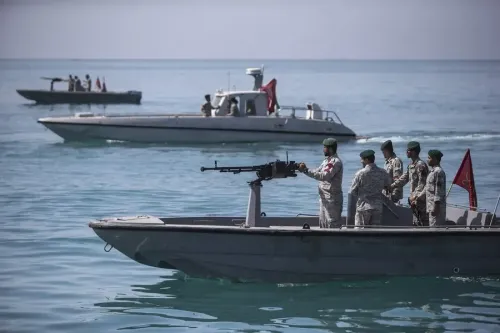
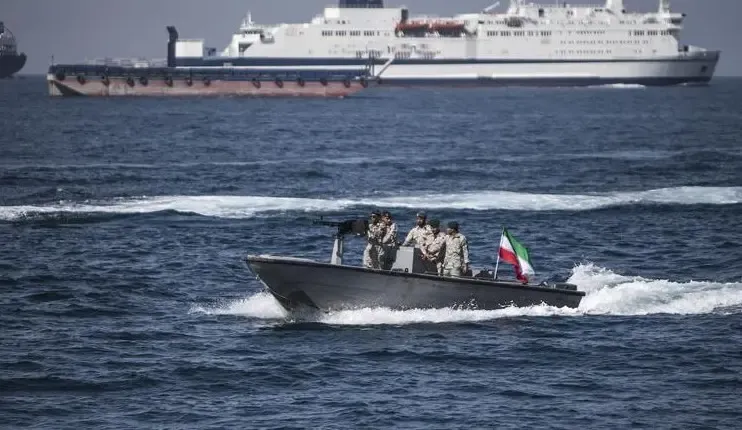
Tehran, March 23 (NationPress) Iran has initiated a transit fee of $2 million (around Rs 18.8 crore) for specific ships navigating the strategically important Strait of Hormuz. This move is seen by officials as a bold declaration of authority amidst ongoing tensions with the United States and Israel.
According to Iranian President Masoud Pezeshkian, the strait is “accessible to all”—excluding Iran's adversaries—illustrating Tehran’s latest position regarding this critical maritime passage.
This policy is already in effect, as reported by Iranian legislator Alaeddin Boroujerdi during an interview with state broadcaster Islamic Republic of Iran Broadcasting (IRIB), as mentioned by Iran International. Boroujerdi characterized this initiative as a transition towards a new “sovereign regime” overseeing the waterway.
“The collection of $2 million in transit fees from select vessels crossing the strait signifies Iran's strength,” stated Boroujerdi.
“In light of the costs associated with war, it is essential for us to implement this and charge transit fees for ships traversing the Strait of Hormuz,” he continued, asserting that this policy underscores the Islamic Republic’s “authority.”
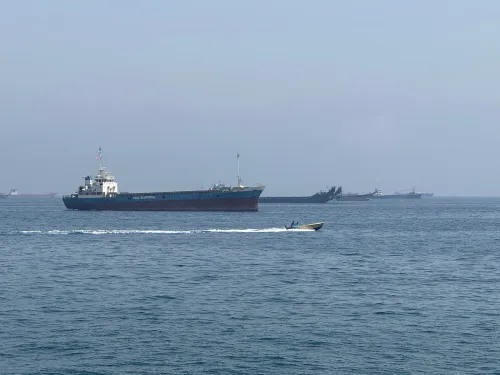
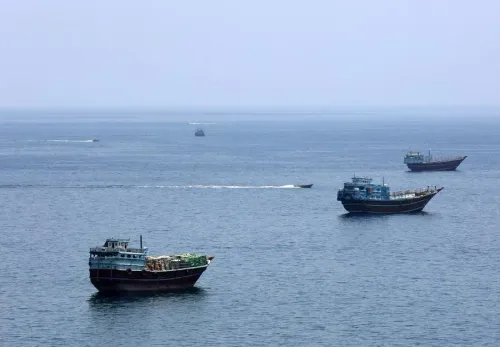
Previously, Iran's Foreign Ministry affirmed that the Strait of Hormuz is not obstructed, with navigation continuing in the area, while necessary precautions are being taken due to the current wartime conditions.
In a statement clarifying Iran's stance amidst ongoing US and Israeli hostilities, the ministry indicated that Iran has consistently honored the freedom of navigation and maritime safety, striving to maintain these principles throughout the years.
The ministry also highlighted that following military “aggression” from the US and Israel against Iran, a precarious situation has arisen in the Gulf and the Strait of Hormuz, which directly affects the safety and security of regional shipping.
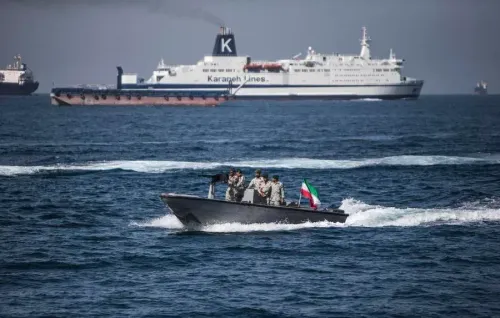
Claiming its rightful self-defense against these “aggressors,” Iran has targeted US military installations in the area while enacting measures to ensure that the “aggressors” and their allies do not exploit the strait for their aggressive aims against the country.
This announcement surfaces amid escalating tensions following a warning from former US President Donald Trump, who stated that the United States could attack Iran’s power infrastructure if the strait is not reopened within 48 hours.
Trump asserted that if Iran did not comply, the US would destroy its “various POWER PLANTS, STARTING WITH THE BIGGEST ONE FIRST!”
Point of View
The recent implementation of a $2 million transit fee by Iran for ships passing through the Strait of Hormuz raises significant geopolitical concerns. This move is perceived as a strategic assertion of power amid ongoing tensions with the US and Israel, potentially affecting international shipping and regional stability.
NationPress
23 Sept 2026
Frequently Asked Questions
What is the transit fee imposed by Iran?
Iran has imposed a transit fee of $2 million for specific vessels passing through the Strait of Hormuz.
Why has Iran introduced this fee?
The fee is seen as a declaration of control amid ongoing conflicts with the United States and Israel.
Is the Strait of Hormuz blocked?
No, Iran's Foreign Ministry has confirmed that the Strait of Hormuz remains open for navigation.
What are the implications of this transit fee?
The fee could impact global shipping routes and escalate tensions in the region.
Who is affected by this new policy?
The policy affects certain vessels deemed adversaries by the Iranian government.