Iran claims full control of Strait of Hormuz, bars ships without permission
Synopsis
Iran has declared full military control over the Strait of Hormuz — one of the world's most critical oil chokepoints — with no ship permitted to pass without Tehran's authorisation. As Supreme Leader Khamenei unveils a new 'legal framework' for the waterway, countries are reportedly writing urgent letters to Iran seeking passage clearance, signalling a dramatic shift in Persian Gulf geopolitics.
Key Takeaways
Iran's army spokesman Mohammad Akraminia declared on 3 May that no vessel can transit the Strait of Hormuz without Iranian permission.
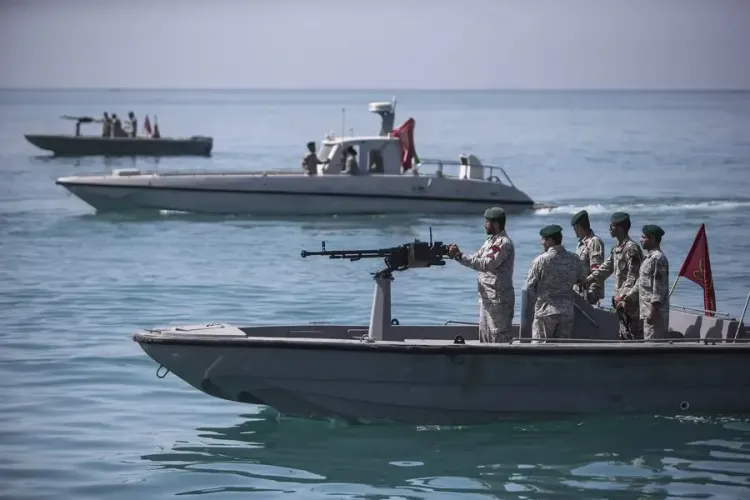
Both the Islamic Revolution Guard Corps (IRGC) in the west and the army in the east are jointly controlling the strait.
Iran began barring passage to Israeli and US -affiliated vessels from 28 February following joint strikes on Iranian territory.
Deputy Foreign Minister Hamid Ghanbari says multiple countries are urgently requesting Iran to allow their ships through.
Supreme Leader Mojtaba Khamenei announced a new "legal framework" for the strait, projecting a Persian Gulf "free of America."
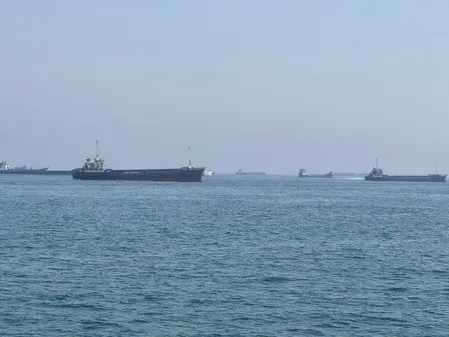
Iran's army spokesman Mohammad Akraminia declared on 3 May that the country's armed forces are exercising complete control over the Strait of Hormuz, asserting that no vessel — friendly or hostile — may transit the critical waterway without explicit authorisation from Iranian forces. The statement marks one of Tehran's most direct assertions of dominance over a chokepoint through which roughly 20% of the world's traded oil passes.
Key Declaration by Iran's Military
"At present, Iran's Islamic Revolution Guard Corps in the west and the country's army in the east are controlling the strait with power, and no ship, friend or foe, will have the right to pass without the permission and authorization of our forces," Akraminia said, according to footage of his remarks carried by Iranian media.
Akraminia further stated that controlling the Strait of Hormuz is "an inherent right" of Iran — one the country had not exercised for years but is now actively enforcing.
Countries Reportedly Seeking Iran's Clearance
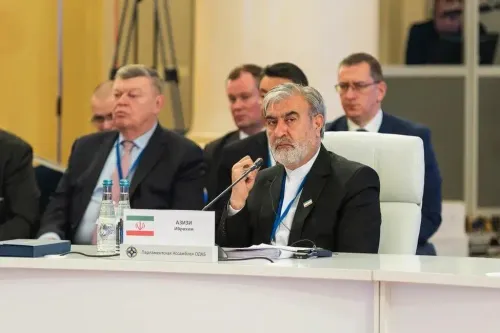
The semi-official Fars news agency quoted Iranian Deputy Foreign Minister Hamid Ghanbari as saying that "different countries are anxiously and urgently requesting Iran through telexes and letters to let their ships pass through the Strait of Hormuz." The remarks underscore the real-world pressure the new policy is placing on global shipping routes and trading nations.
How the Blockade Began
Iran tightened its grip on the strait beginning 28 February, when it barred safe passage to vessels belonging to or affiliated with Israel and the United States following joint strikes on Iranian territory, according to Xinhua news agency. The move represented a significant escalation in Iran's use of the strait as a geopolitical lever.
Supreme Leader Sets Out New Legal Framework
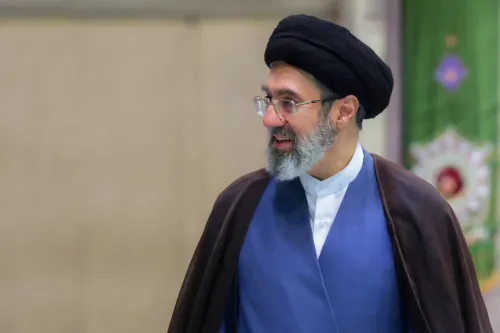
Earlier on Thursday, Iran's Supreme Leader Mojtaba Khamenei — speaking on the occasion of the National Day of Persian Gulf — declared that a "new chapter" is being drawn in the Persian Gulf and the Strait of Hormuz. He announced a new "legal framework" and management system for the waterway, claiming it would "advance comfort and development for all the region's nations."
In a message reported by Iran's Mehr news agency, Khamenei invoked Iran's history of resistance against what he described as repeated European and American incursions, calling the Islamic Revolution a "turning point" in the Persian Gulf's trajectory. He projected a future for the region that would be "free of America" and devoted to "progress, peace, and prosperity."
Global Implications and What Comes Next
The Strait of Hormuz is one of the world's most strategically vital maritime corridors, connecting the Persian Gulf to the Gulf of Oman. Any sustained restriction on passage could send energy prices sharply higher and disrupt supply chains across Asia, Europe, and beyond. The international community, including major oil-importing nations, is closely watching whether Tehran's declared control translates into active interdiction of non-Israeli, non-US vessels. Diplomatic responses from affected nations are expected in the coming days.
Point of View
And Tehran knows it. The claim of an 'inherent right' to control passage, combined with a new 'legal framework' from the Supreme Leader, suggests Iran is attempting to institutionalise what began as a retaliatory measure into a permanent strategic posture. The critical question is whether this remains a pressure tactic in nuclear or sanctions negotiations, or whether Iran intends to enforce it broadly — a distinction that could mean the difference between diplomatic friction and an energy crisis.
NationPress
5 Oct 2026
Frequently Asked Questions
What has Iran declared about the Strait of Hormuz?
Iran's army spokesman Mohammad Akraminia declared on 3 May that no vessel — friendly or hostile — can transit the Strait of Hormuz without explicit permission from Iranian forces. He said both the IRGC and the army are jointly controlling the strait.
When did Iran begin restricting passage through the Strait of Hormuz?
Iran tightened its control beginning 28 February, when it barred safe passage to vessels belonging to or affiliated with Israel and the United States, following joint strikes on Iranian territory, according to Xinhua news agency.
What is the new legal framework announced by Iran's Supreme Leader?
Supreme Leader Mojtaba Khamenei, speaking on the National Day of Persian Gulf, announced a new 'legal framework' and management system for the Strait of Hormuz. He claimed it would bring progress and comfort to regional nations and projected a future Persian Gulf free of American presence.
Which countries are affected by Iran's Strait of Hormuz restrictions?
While the initial restrictions targeted Israeli and US-affiliated vessels, Deputy Foreign Minister Hamid Ghanbari indicated that multiple countries are urgently requesting Iran to allow their ships through, suggesting broader disruption to international shipping.
Why is the Strait of Hormuz strategically important?
The Strait of Hormuz connects the Persian Gulf to the Gulf of Oman and is one of the world's most critical maritime chokepoints, through which a significant share of globally traded oil passes. Any sustained restriction on passage can impact energy prices and supply chains across Asia, Europe, and beyond.