Iran to unveil Hormuz management mechanism, bar US-Israel vessels
Synopsis
Iran is set to formalise its grip on the Strait of Hormuz with a fee-based access mechanism that explicitly bars US 'Project Freedom' vessels — a move that institutionalises what began as a wartime blockade into a permanent toll-and-exclusion system over one of the world's most critical oil chokepoints.
Key Takeaways
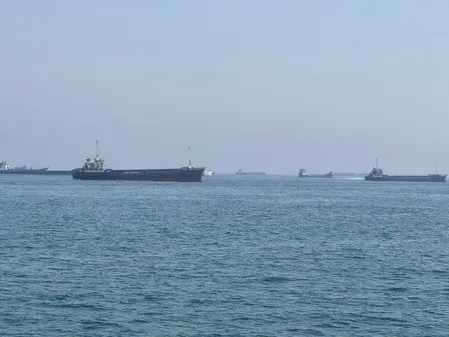
Iran will soon unveil a professional mechanism to manage maritime traffic through the Strait of Hormuz along a designated route.
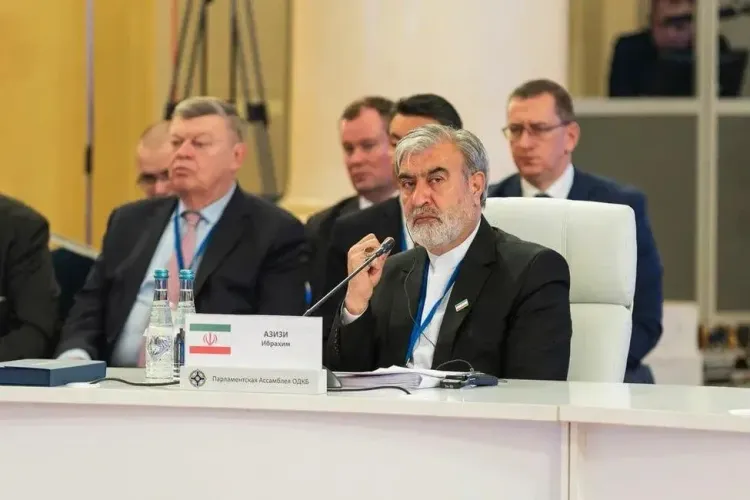
Ebrahim Azizi , Chairman of Iran's parliament's National Security and Foreign Policy Committee , announced the plan via a post on X on 16 May .
The route will be closed to operators of 'Project Freedom' , the US-authorised initiative to escort civilian ships to safety.
Iran will collect fees from commercial vessels and parties cooperating with Tehran under the new framework.
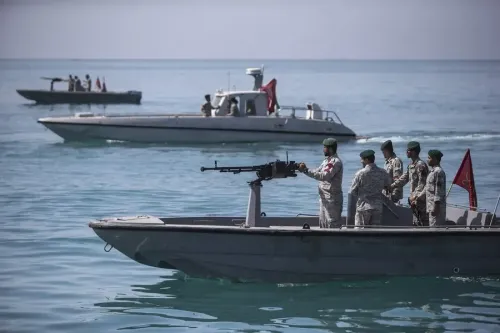
Iran tightened Hormuz control from 28 February , barring vessels linked to Israel and the United States after joint strikes on Iranian territory.
Foreign Minister Araghchi stated in New Delhi that the strait remains open to all except vessels of countries 'fighting with' Iran.
A professional mechanism to regulate maritime traffic through the Strait of Hormuz along a designated route will soon be made public by Iran, a senior Iranian lawmaker announced on Saturday, 16 May. The disclosure signals Tehran's intent to formalise its tightening grip over one of the world's most critical oil shipping lanes.
What the Mechanism Entails
Ebrahim Azizi, Chairman of the Iranian parliament's National Security and Foreign Policy Committee, posted on X that the designated route will remain closed to operators of 'Project Freedom' — the US-authorised initiative to escort trapped civilian ships to safety. 'Only commercial vessels and parties cooperating with Iran will benefit from it,' Azizi wrote, adding that 'necessary fees will be collected for the specialised services provided under this mechanism.'
Background: How the Strait Crisis Escalated
Iran began tightening its control over the Strait of Hormuz on 28 February, barring passage to vessels belonging to or affiliated with Israel and the United States following joint strikes by the two countries on Iranian territory. In response, the United States imposed a naval blockade on the strait, preventing ships from Iranian ports from transiting the waterway. The US military has also reportedly attacked several Iranian ships and oil tankers in recent days.
What Iran Says About Access
Iranian Foreign Minister Seyed Abbas Araghchi on Friday stated that the strait remains open to all vessels except those belonging to countries engaged in conflict with Iran. Addressing a press conference in New Delhi, Araghchi said Iran had already facilitated passage for several Indian ships and reiterated that safe transit is both Tehran's policy and interest. 'On the Strait of Hormuz, this is also our wish that it will be fully reopened. As far as we are concerned, the Strait of Hormuz is open, and all vessels can pass, except the vessels of those countries that are fighting with us,' Araghchi stated.
Project Freedom and US Involvement
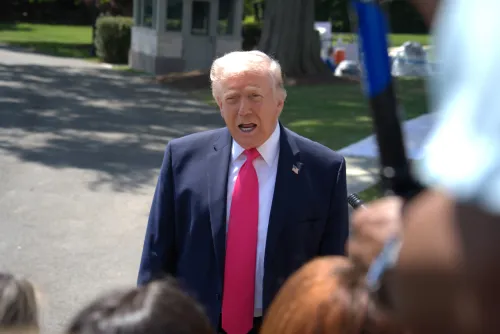
Earlier in May, US President Donald Trump authorised 'Project Freedom' to guide trapped civilian ships through the strait to safety amid weeks of escalating tensions in the Persian Gulf. The new Iranian mechanism, if implemented, would effectively exclude such vessels from the designated safe corridor — setting up a direct institutional standoff between Tehran and Washington over control of the waterway.
What This Means for Global Shipping
The Strait of Hormuz is the transit point for roughly 20% of global oil trade, making any restriction on passage a matter of international economic concern. Iran's move to formalise a fee-based, access-controlled corridor — while simultaneously asserting the strait is 'open' — presents a contradictory posture that analysts say could complicate neutral nations' shipping decisions. The situation remains fluid, with the formal mechanism yet to be unveiled.
Point of View
The risk is not just disruption but being forced to choose sides operationally. The real test will be whether the mechanism holds legal scrutiny under UNCLOS, which guarantees transit passage rights — a challenge Iran has so far declined to address publicly.
NationPress
14 Oct 2026
Frequently Asked Questions
What is Iran's new Strait of Hormuz management mechanism?
Iran has announced it will soon unveil a formal system to control maritime traffic through the Strait of Hormuz along a designated route, with fees charged for passage and access restricted to commercial vessels cooperating with Tehran. Vessels linked to the US 'Project Freedom' initiative will be barred from the route.
Who announced the Hormuz mechanism and when?
Ebrahim Azizi, Chairman of the Iranian parliament's National Security and Foreign Policy Committee, announced the plan in a post on X on Saturday, 16 May 2025. He said the mechanism would be unveiled soon, without specifying an exact date.
What is 'Project Freedom' and why is it relevant?
'Project Freedom' is a US initiative authorised by President Donald Trump earlier in May 2025 to guide trapped civilian ships safely through the Strait of Hormuz amid escalating Persian Gulf tensions. Iran's new mechanism explicitly bars operators of this project from its designated transit corridor.
Is the Strait of Hormuz currently open to shipping?
Iran maintains that the strait is open to all vessels except those belonging to countries it considers to be in conflict with it — specifically the United States and Israel. However, the US has imposed a naval blockade on the strait for ships from Iranian ports, and the US military has reportedly attacked Iranian vessels in recent days, making the situation contested.
How does this affect India and other neutral countries?
Iranian Foreign Minister Seyed Abbas Araghchi, speaking at a press conference in New Delhi, said Iran has already facilitated passage for several Indian ships and that safe transit for neutral nations remains Tehran's stated policy. However, the introduction of a fee-based, access-controlled mechanism could complicate shipping decisions for countries dependent on Gulf oil routes.