Iran's Armed Forces to Control Strait of Hormuz: Key Plan Details
Synopsis
Iran's parliament is set to pass a law formally placing the Strait of Hormuz — through which 20% of the world's oil passes — under armed forces control, with the IRGC Navy authorised to collect tolls. Backed by Supreme Leader Khamenei, the move could reshape global energy security and trigger a major confrontation with Western naval forces.
Key Takeaways
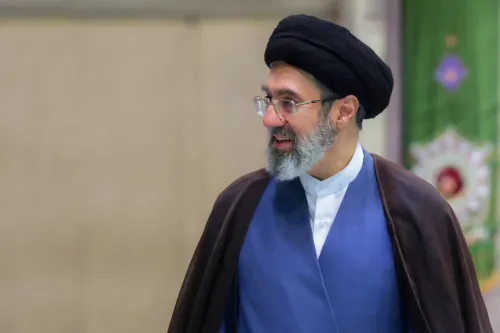
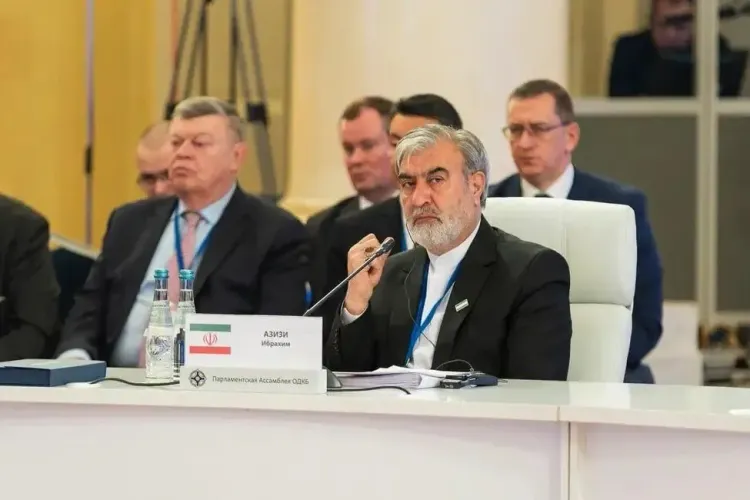
Ebrahim Azizi , chairman of Iran's parliamentary National Security and Foreign Policy Committee, confirmed the draft plan on April 27, 2025 .
The 11-article plan designates Iran's general staff of armed forces as the authority over the Strait of Hormuz .
All financial proceeds from the strait must be collected in Iran's rial , with four special accounts opened by the Central Bank of Iran in rial, yuan, dollar, and euro.
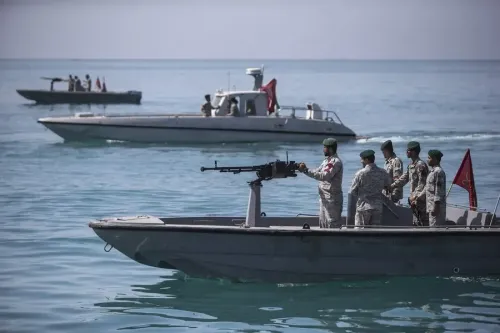
The IRGC Navy will collect tolls from vessels crossing the strait under the proposed law.
The plan is reportedly aligned with directives from Supreme Leader Mojtaba Khamenei and is expected to pass immediately after parliament reconvenes.
Countries that have imposed sanctions or frozen Iranian assets may be required to pay compensation under the plan's provisions.
Iran's parliament is advancing a landmark legislative plan that would formally designate the general staff of Iran's armed forces as the primary authority over the Strait of Hormuz, one of the world's most strategically vital waterways. The draft, titled the "Strategic Action Plan to Ensure Security and Progress in the Strait of Hormuz and the Gulf," is set to be voted on by the Iranian legislature imminently, with sweeping implications for global maritime trade and regional geopolitics.
Key Developments in the Hormuz Draft Plan
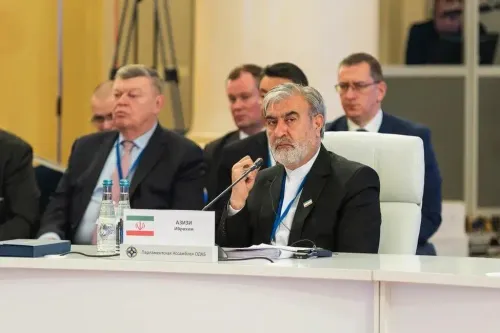
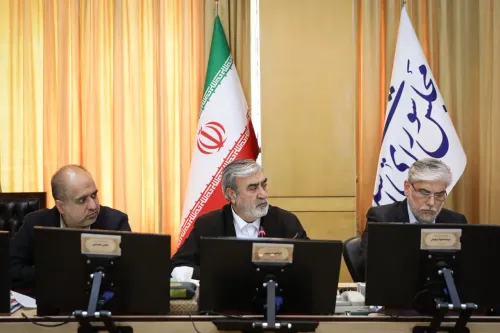
Ebrahim Azizi, chairman of the Iranian parliament's National Security and Foreign Policy Committee, outlined the plan's core provisions in an interview with state-run IRIB TV on Monday, April 27. According to Azizi, the draft comprises approximately 11 articles and is specifically designed to restrict the passage of what Iran classifies as hostile vessels through the strait.
Notably, the plan mandates that all financial proceeds collected from the strait must be denominated in Iran's national currency, the rial — a move that signals Tehran's intent to assert economic sovereignty over one of the world's most critical chokepoints. This comes amid intensifying US-Iran tensions and ongoing nuclear negotiations, adding a sharp geopolitical edge to what is ostensibly a domestic legislative measure.
Compensation Demands and Historical Grievances
One of the plan's more provocative provisions requires that all governments, establishments, and countries that have allegedly inflicted financial losses on Iran — through asset freezes, sanctions, or other hostile actions — must pay compensation. Azizi did not name specific nations, but the language is widely seen as directed at the United States and its allies, which have maintained sweeping sanctions on Tehran for decades.
Azizi further stated that Iran's armed forces are already fully and smartly controlling the strait based on directives from higher echelons of power, underlining that this legislative plan formalises and expands existing operational mandates.
Supreme Leader's Directive Behind the Plan
Significantly, Azizi confirmed that the parliamentary plan has been drafted in alignment with measures proposed by Iran's Supreme Leader, Mojtaba Khamenei, who has reportedly stressed the need for new management over the Strait of Hormuz. This detail is critical — it signals that the bill carries the highest level of political endorsement within Iran's power structure, making its passage into law virtually certain.
In separate remarks, Alaeddin Boroujerdi, another member of the same parliamentary committee, confirmed that the plan will be passed into law immediately after the reopening of the Iranian parliament, after which it will be submitted to the administration for enforcement, according to IRIB.
IRGC Navy to Collect Strait Tolls
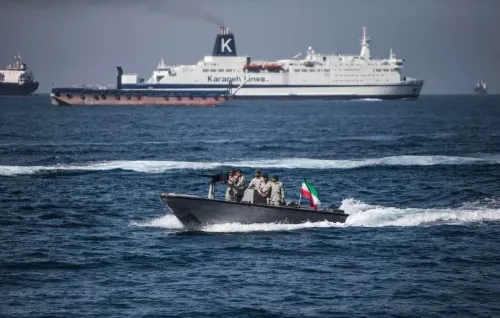
Perhaps the most operationally significant detail is the financial mechanism embedded in the plan. Boroujerdi revealed that the Central Bank of Iran has already opened four special accounts — denominated in the rial, yuan, dollar, and euro — into which tolls collected by the Navy of the Islamic Revolutionary Guard Corps (IRGC) from vessels crossing the strait will be deposited. This effectively institutionalises a toll system managed by a body that the United States has designated as a terrorist organisation, raising immediate concerns among global shipping operators and Western governments.
Impact on Global Shipping and Energy Markets
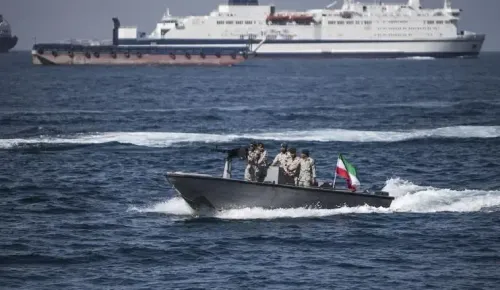
The Strait of Hormuz is the transit point for approximately 20% of the world's oil supply, making it a linchpin of global energy security. Any formalised Iranian authority to restrict or toll passage could trigger sharp reactions from the US Navy's Fifth Fleet, which is headquartered in Bahrain and maintains a consistent presence in the region. Critics argue that formalising IRGC control over the strait could escalate maritime incidents and drive up global oil prices. This is not the first time Iran has threatened to close or restrict the strait — Tehran has periodically invoked this leverage during periods of heightened sanctions pressure. However, a formal parliamentary law would mark a significant escalation in that posture. How the international community responds in the coming days will be closely watched.
Point of View
Which changes the calculus entirely. What mainstream coverage underplays is the financial architecture already in place: the Central Bank has opened the accounts, the tolls are ready to be collected. This is not a threat — it is an implementation. The timing, coinciding with active US-Iran nuclear talks, suggests Tehran is using the strait as a bargaining chip while simultaneously entrenching its position on the ground. India, as a major importer of Gulf oil, has a direct stake in how this standoff unfolds.
NationPress
19 Sept 2026
Frequently Asked Questions
What is Iran's new Strait of Hormuz plan?
Iran's parliament is set to vote on an 11-article draft law that would formally designate the general staff of Iran's armed forces as the authority over the Strait of Hormuz, allowing the IRGC Navy to collect tolls from passing vessels. The plan also requires financial proceeds to be collected in Iran's rial.
Who is behind the Iran Hormuz security plan?
The plan has been drafted in alignment with directives from Iran's Supreme Leader Mojtaba Khamenei, who has called for new management over the strait. Parliamentary committee chairman Ebrahim Azizi has been the primary spokesperson for the draft legislation.
How does the Iran Hormuz plan affect global oil supply?
The Strait of Hormuz is the transit route for approximately 20% of the world's oil supply. Formalised Iranian control and toll collection by the IRGC Navy could disrupt shipping, raise insurance costs, and potentially spike global oil prices if tensions escalate.
When will Iran's Hormuz law be passed?
According to parliamentary committee member Alaeddin Boroujerdi, the law is expected to be passed immediately after the Iranian parliament reconvenes, after which it will be submitted to the administration for enforcement.
What compensation does Iran demand under the Hormuz plan?
The draft law reportedly includes provisions requiring governments, establishments, and countries that have imposed sanctions, frozen Iranian assets, or taken hostile actions against Iran to pay financial compensation — language broadly interpreted as targeting the US and its allies.