Iran parliament approves Hormuz Strait security action plan amid US tensions
Synopsis
Iran's parliament has greenlit a security action plan for the Strait of Hormuz — the chokepoint for roughly 20% of global oil — even as Foreign Minister Aragchi declares negotiations with the US dead in the water until Washington atones for MoU violations. With US strikes, Iranian missile responses, and Oman quietly brokering a parallel shipping route, the strait is now simultaneously a military flashpoint, a diplomatic battleground, and a legislative priority in Tehran.
Key Takeaways
Iran's parliamentary national security and foreign policy committee approved the Hormuz Strait security action plan on 10 August , with no dissenting votes.
The legislation was formally introduced to parliament on 13 July ; it now moves toward full parliamentary consideration.
Iran barred vessels affiliated with Israel and the US from safe passage through the strait from 28 February .
The US military launched multiple strike waves on Iranian targets in July ; Iran retaliated with missile and drone attacks on US bases in the region.
Foreign Minister Seyyed Abbas Aragchi ruled out resuming US-Iran talks until Washington ends what he called violations of the MoU signed in June.
Iran and Oman are negotiating a new designated safe-passage route within the strait for commercial maritime traffic.
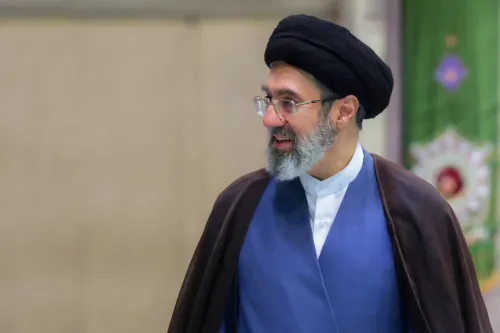
Iran's parliamentary national security and foreign policy committee has approved the general outlines of a strategic action plan aimed at 'ensuring the security and sustainable progress' of the Strait of Hormuz and the Gulf, according to reports from Tehran on 10 August. The plan passed without opposition, signalling broad legislative consensus at a moment of acute regional tension over one of the world's most critical maritime chokepoints.
What the Plan Covers
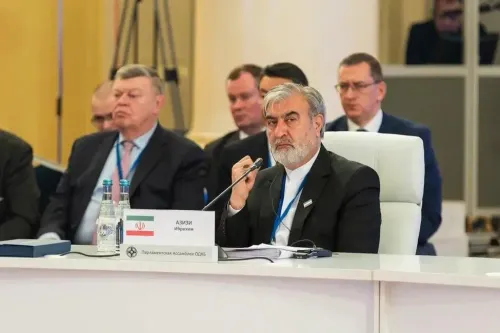
Committee spokesperson Hassan Qashqavi confirmed that lawmakers reviewed submissions from relevant Iranian bodies before endorsing the plan's general framework. The legislation was formally introduced to the parliament on 13 July, according to reports. Qashqavi said the approval came after a structured committee review, with no dissenting votes recorded.
Iran's Grip on the Strait
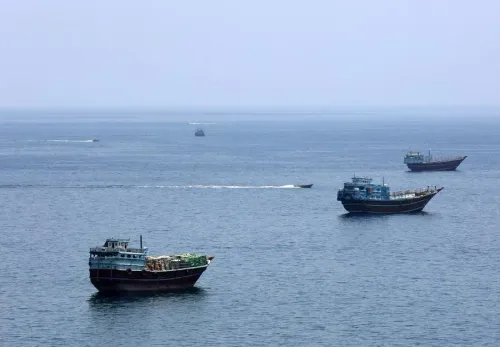
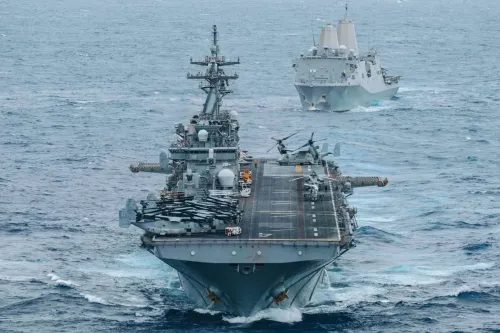
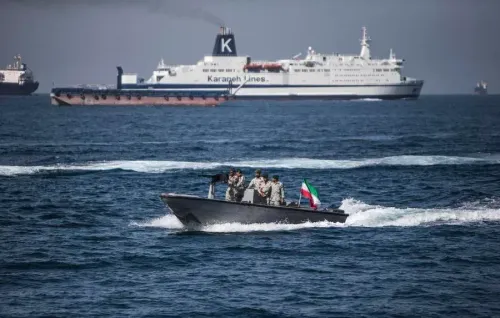
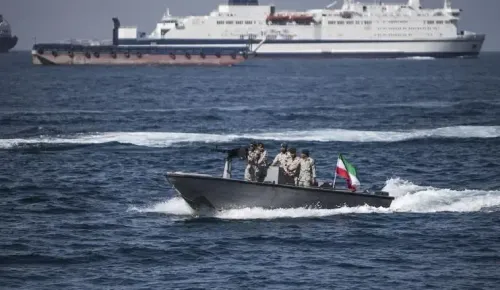
The backdrop to this legislative move is significant. Iran tightened its control over the strait on 28 February, barring safe passage to vessels belonging to or affiliated with Israel and the United States, following what Tehran described as joint strikes on Iranian territory. In July, the US military launched multiple waves of strikes on Iranian targets, stating the operations were aimed at 'degrading Iran's ability to threaten commercial shipping' in response to Iranian attacks on vessels in the strait. Iran responded with missile and drone strikes on US military bases and facilities across the region.
Diplomacy at an Impasse
In June, Iran and the United States signed a memorandum of understanding (MoU) on ending hostilities across multiple fronts, including Lebanon. The two sides were scheduled to hold negotiations within a 60-day window to reach a final agreement. However, recent escalation has left the talks' fate uncertain.
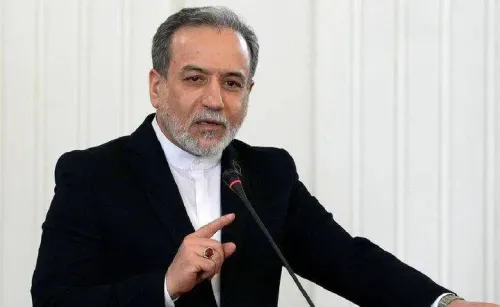
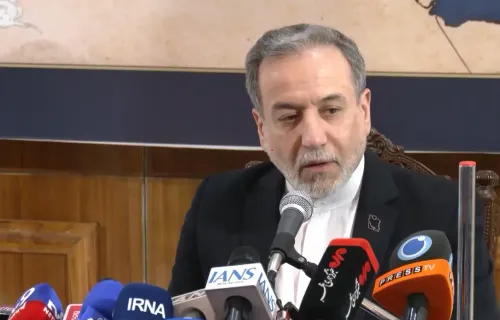
Iranian Foreign Minister Seyyed Abbas Aragchi stated plainly that there are currently no ongoing negotiations with Washington. Speaking to reporters at the Centre for Political and International Studies of the Ministry of Foreign Affairs, Aragchi said: 'We currently have no negotiations with the United States. Intermediaries are still making efforts to find ways to resume negotiations. From our perspective, there can be no resumption of talks until the United States ends its violations of the Memorandum of Understanding and makes amends for the breaches it has committed.'
He added: 'Until the violations of the memorandum of understanding by the United States are ended and the United States does not make amends for what it has violated, in our opinion, there is no possibility of resuming negotiations.'
Oman's Mediation Role
Separately, Iran and Oman have been engaged in negotiations over recent weeks to designate a new route within the strait for safe maritime traffic. Oman has historically served as a backchannel between Tehran and Washington, and its active involvement in routing discussions suggests a parallel track aimed at de-escalating commercial shipping risks even as broader diplomatic talks remain stalled.
What Comes Next
The approved action plan now moves toward full parliamentary consideration. With the Strait of Hormuz — through which roughly 20% of global oil supplies transit — at the centre of a live military and diplomatic standoff, the legislation carries implications well beyond Iran's borders. Analysts will watch whether the plan introduces formal legal mechanisms for interdiction or focuses on defensive maritime infrastructure, details that have not yet been made public.
Point of View
But it addresses symptoms, not the underlying conflict. With roughly 20% of global oil supply transiting the strait, the world's energy markets have a direct stake in whether Tehran's new legislative framework becomes a tool for leverage or a trigger for further escalation.
NationPress
24 Sept 2026
Frequently Asked Questions
What is Iran's Hormuz Strait security action plan?
It is a strategic legislative framework approved by Iran's parliamentary national security and foreign policy committee on 10 August, aimed at 'ensuring the security and sustainable progress' of the Strait of Hormuz and the Gulf. The plan passed without opposition after lawmakers reviewed submissions from relevant Iranian bodies, and it now moves toward full parliamentary consideration.
Why has Iran restricted passage through the Strait of Hormuz?
Iran barred safe passage to vessels belonging to or affiliated with Israel and the United States from 28 February, following what Tehran described as joint strikes on Iranian territory. The US subsequently launched multiple strike waves on Iranian targets in July, citing Iranian attacks on commercial vessels in the strait.
What is the status of US-Iran negotiations?
Talks are effectively suspended. Iran and the US signed a memorandum of understanding in June 2025 and were scheduled to negotiate a final agreement within 60 days, but Foreign Minister Seyyed Abbas Aragchi has stated that no negotiations are currently underway. He said resumption is contingent on the US ending what Iran describes as violations of the MoU.
What role is Oman playing in the Hormuz crisis?
Iran and Oman have been negotiating for several weeks to designate a new route within the strait for safe commercial maritime traffic. Oman has historically served as a diplomatic backchannel between Tehran and Washington, and its involvement signals an effort to manage shipping risks even while broader diplomatic talks remain stalled.
Why does the Strait of Hormuz matter globally?
The Strait of Hormuz is one of the world's most critical maritime chokepoints, through which roughly 20% of global oil supplies transit. Any sustained disruption to shipping in the strait has direct consequences for global energy prices and supply chains, making the current Iran-US standoff a matter of international economic concern.