Iran FM Araghchi in New Delhi: India-Iran ties strong, Hormuz situation complicated
Synopsis
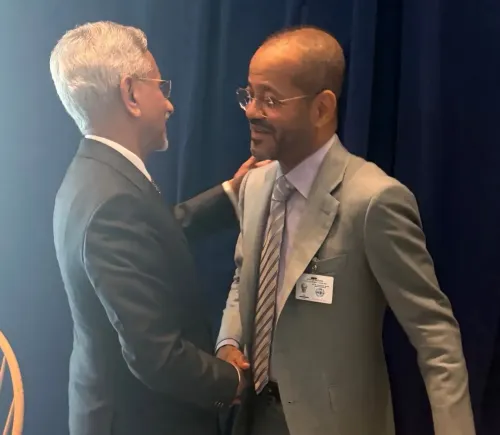
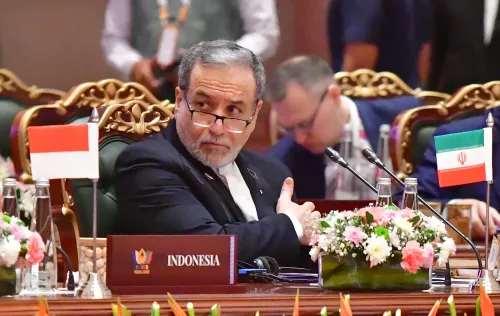
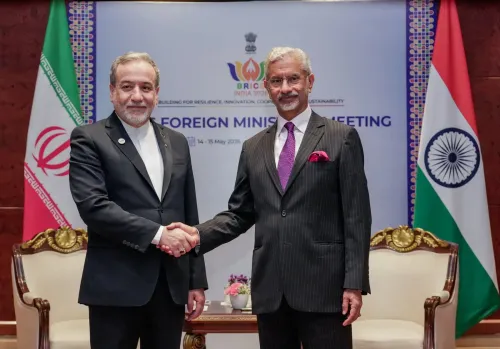
On the sidelines of the BRICS Foreign Ministers Meeting in New Delhi, Iranian FM Araghchi met both PM Modi and EAM Jaishankar — calling the Strait of Hormuz situation 'very complicated' and thanking India for humanitarian assistance during what Tehran describes as unprovoked aggression. The visit signals that India-Iran diplomatic channels remain active even as West Asia burns.
Key Takeaways
Iranian FM Seyed Abbas Araghchi visited New Delhi on 15 May for the BRICS Foreign Ministers Meeting .
He held talks with PM Narendra Modi and EAM S.
Jaishankar , covering the Strait of Hormuz and West Asia situation.
Araghchi described the Hormuz situation as 'very complicated' and said normalcy depends on an end to what Iran calls 'the act of aggression.' He thanked India for expressing solidarity and providing humanitarian assistance to Iran amid the conflict.
Both sides reaffirmed commitment to bilateral ties based on mutual interest and mutual respect .
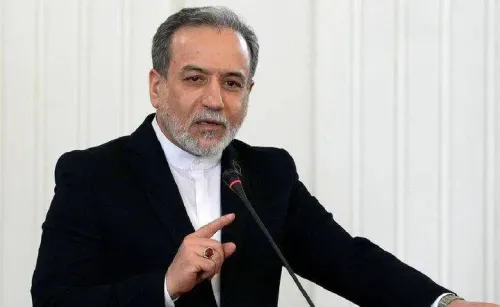
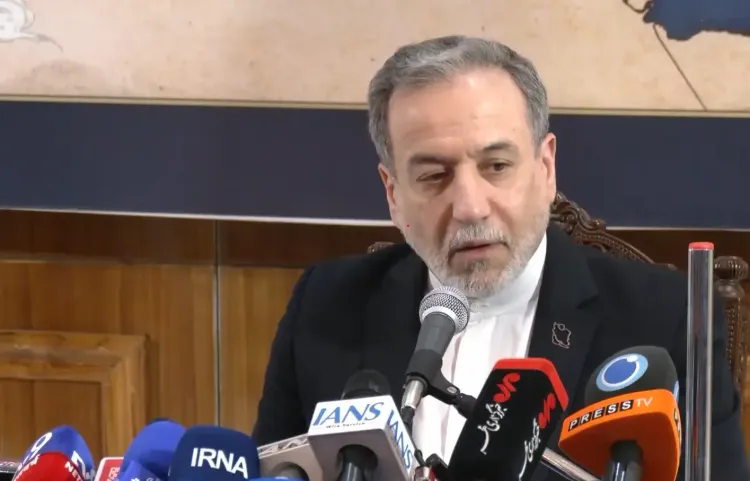
Iranian Foreign Minister Seyed Abbas Araghchi on Friday, 15 May declared that Tehran attaches great importance to its ties with India, saying both nations share similar concerns and interests in the Persian Gulf. Araghchi made the remarks in New Delhi after the conclusion of the BRICS Foreign Ministers Meeting, where he also held high-level bilateral talks with Indian leadership.
Key Meetings and Discussions
Araghchi confirmed he held a brief discussion with Prime Minister Narendra Modi on Thursday, followed by a lengthier bilateral meeting with External Affairs Minister (EAM) S. Jaishankar on Friday. The talks covered a wide range of issues, with particular focus on the Strait of Hormuz and the broader security situation in West Asia.
'We discussed almost everything, including the Strait of Hormuz and the situation in the Persian Gulf region. I have to say that we more or less share similar positions, and we have the same concerns and interests in this important region,' Araghchi told reporters.
Strait of Hormuz: A Shared Concern
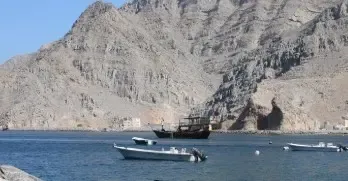
The Iranian Foreign Minister described the current situation in the Strait of Hormuz as 'very complicated,' emphasising Tehran's efforts to ensure safe passage for ships through the critical waterway. He indicated that normalcy would return only once what he termed the 'act of aggression' against Iran is 'totally and completely ended.' The Strait of Hormuz is one of the world's most strategically vital shipping lanes, through which a significant share of global oil exports pass — making its stability a matter of direct concern for energy-dependent economies like India.
Iran's Position on the Conflict in West Asia
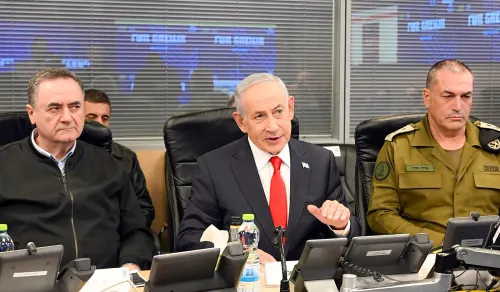
Araghchi characterised the attacks on Iran as 'unprovoked aggression' by the United States and the Israeli regime, stating they occurred 'right in the middle of negotiations' between Tehran and Washington — and that this was, according to him, the second such instance. He said India expressed solidarity and sympathy with the Iranian people and provided humanitarian assistance, for which he expressed gratitude.
'We appreciate the government and people of India who expressed solidarity and sympathy towards the Iranian people and we appreciate the humanitarian assistance provided to us by the Indian government as a sign of solidarity,' he stated.
Civilisational Ties and Trade Cooperation
Stressing the depth of the bilateral relationship, Araghchi invoked the civilisational heritage shared by the two countries. 'Iran and India are two ancient civilizations which have always had very good relations and we have exchanged our cultural values. We have had very good trade and economic cooperation with each other and very good political relations and political consultations,' he said. He affirmed Tehran's determination to continue friendly ties based on mutual interest and mutual respect.
Notably, Araghchi also acknowledged the personal rapport he shares with EAM Jaishankar, saying the two have been in regular contact over the past two months as the conflict in West Asia escalated. He praised the Indian government for the successful organisation of the BRICS Foreign Ministers Meeting. As the situation in West Asia remains fluid, New Delhi's diplomatic balancing act — maintaining ties with Tehran while navigating its own strategic partnerships — will be closely watched in the weeks ahead.
Point of View
Without formally condemning the strikes, reflects its calibrated non-alignment: close enough to Tehran to matter, distant enough from the conflict to preserve strategic flexibility. What is notable is the Iranian FM's repeated framing of the attacks as occurring 'in the middle of negotiations' — a narrative aimed squarely at building international legitimacy. New Delhi's response, or lack of a public one, will itself be read as a signal by Washington, Tehran, and Riyadh alike.
NationPress
2 Oct 2026
Frequently Asked Questions
What did Iranian FM Araghchi discuss with Indian leaders in New Delhi?
Araghchi held talks with PM Narendra Modi and EAM S. Jaishankar on 15 May in New Delhi, covering the Strait of Hormuz, the security situation in West Asia, and bilateral India-Iran relations. Both sides reportedly agreed they share similar concerns and interests in the Persian Gulf region.
Why is the Strait of Hormuz significant to India-Iran talks?
The Strait of Hormuz is a critical global oil shipping lane, and any disruption directly affects energy supplies to India. Araghchi described the current situation there as 'very complicated' and said Iran is working to ensure safe passage for ships.
What did Iran's FM say about the conflict in West Asia?
Araghchi characterised attacks on Iran as 'unprovoked aggression' by the United States and the Israeli regime, stating they occurred during ongoing diplomatic negotiations — which he said was the second such instance. He said normalcy in the Strait of Hormuz would return only once this aggression fully ends.
How did India respond to the conflict involving Iran?
According to Araghchi, India expressed solidarity and sympathy with the Iranian people and provided humanitarian assistance, for which he publicly thanked the Indian government during his press interaction in New Delhi.
What was the occasion for Araghchi's visit to New Delhi?
Araghchi was in New Delhi to attend the BRICS Foreign Ministers Meeting on 15 May. He used the visit to hold bilateral meetings with PM Modi and EAM Jaishankar on the sidelines of the summit.