Strait of Hormuz open to all except hostile nations, says Iran FM Araghchi
Synopsis
Iran's Foreign Minister Araghchi, in New Delhi for Tehran's first high-level diplomatic visit since the West Asia conflict began, declared the Strait of Hormuz open — but with a sharp caveat: ships from countries fighting Iran must stay out. He confirmed Indian vessels have already been guided through, and said Iran and Oman are jointly managing safe transit. The claim directly pushes back on Trump-Xi calls for full Hormuz access.
Key Takeaways
Iranian FM Seyed Abbas Araghchi stated on 15 May that the Strait of Hormuz is open to all vessels except those of countries in conflict with Iran.
Vessels seeking transit must coordinate with Iranian military due to mines and obstacles; Iran and Oman are jointly managing safe passage.
Araghchi confirmed that a number of Indian vessels have already been guided through the strait under this arrangement.
The FM reiterated that Iran does not seek nuclear weapons, citing the 2015 nuclear deal as evidence of peaceful intent.
He attributed regional instability to US aggression and said conditions would normalise once hostilities end.
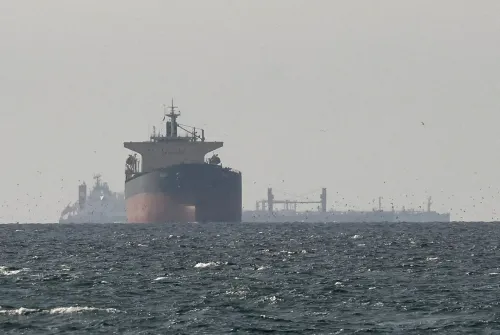
The Strait of Hormuz carries approximately 20 per cent of global oil and LNG supplies; tensions have already driven energy prices higher.
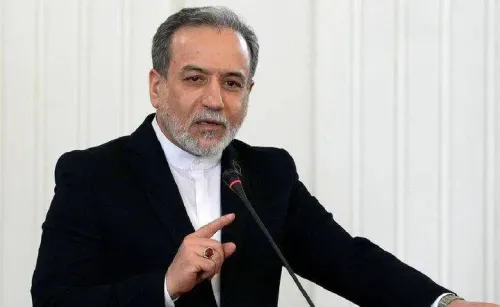
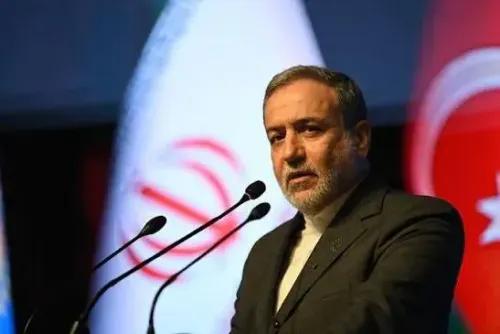
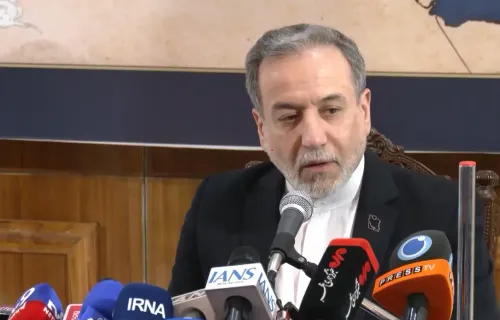
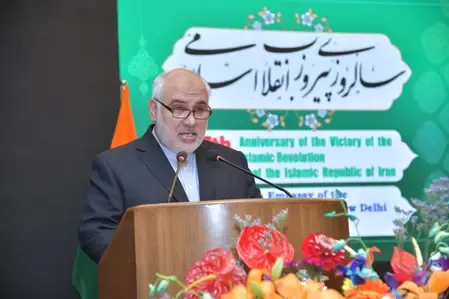
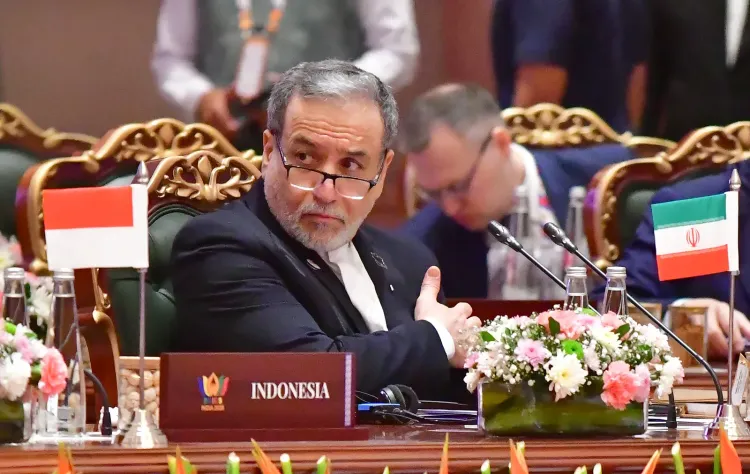
Iranian Foreign Minister Seyed Abbas Araghchi on Friday, 15 May declared that the Strait of Hormuz remains open to all vessels except those belonging to countries actively engaged in conflict with Iran. Speaking at a press conference in New Delhi during his three-day official visit, Araghchi said safe passage is both Tehran's policy and its national interest.
What Araghchi Said on Hormuz
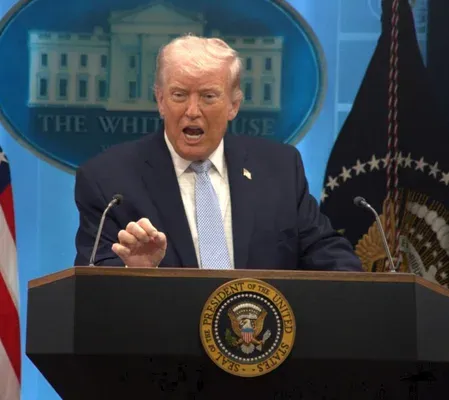
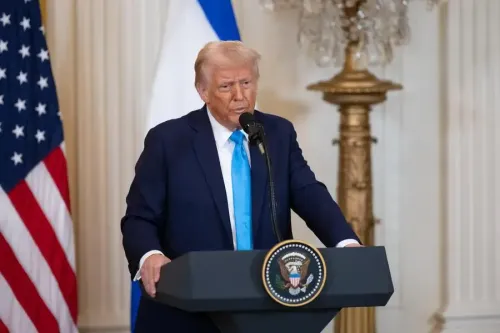
The Iranian Foreign Minister was responding to questions arising from US President Donald Trump and Chinese President Xi Jinping's meeting in Beijing on Thursday, where both sides called for the strategic waterway to remain open. Araghchi pushed back on any suggestion that Iran was blocking commercial shipping.
'On the Strait of Hormuz, this is also our wish that it will be fully reopened. As far as we are concerned, the Strait of Hormuz is open and all vessels can pass, except the vessels of those countries that are fighting with us,' he stated.
He added that vessels seeking transit must coordinate with Iranian military forces due to mines and obstacles in the waterway. 'We will guide them to pass, as we have done for a number of Indian vessels, and help them to pass,' Araghchi said, confirming that India's shipping interests had already been accommodated under this arrangement.
Iran's Nuclear Stance Reiterated
Araghchi also addressed Iran's nuclear programme, reiterating that Tehran has never sought nuclear weapons and pointing to the 2015 nuclear deal as proof of Iran's stated peaceful intent. 'We have proved that when we signed the deal in 2015, and we have said time and again that we don't want nuclear weapons,' he said.
He asserted that Iran maintains a purely civilian nuclear programme and has consistently expressed willingness to build international confidence in its peaceful nature. The remarks come amid renewed global scrutiny of Tehran's nuclear activities following the breakdown of the 2015 Joint Comprehensive Plan of Action (JCPOA).
Iran Blames US 'Aggression' for Regional Instability
Araghchi framed the current disruption to regional shipping as a consequence of what he described as a US blockade and American aggression, not Iranian policy. He said conditions would normalise once hostilities ceased. 'Once the aggression ends, then I am sure everything would go back to normal,' he stated, adding that Iran is coordinating safe passage arrangements jointly with Oman.
This is a significant detail — Oman has historically served as a back-channel between Iran and Western powers, and its involvement in Hormuz transit arrangements signals a degree of structured diplomatic engagement even amid the conflict.
Context: A High-Stakes Visit to New Delhi
Araghchi's arrival in New Delhi on Wednesday marked Tehran's first high-level diplomatic outreach since the conflict in West Asia escalated. The visit underscores India's strategic importance as a non-aligned interlocutor with both Iran and the United States.
The Strait of Hormuz carries roughly 20 per cent of the world's oil and liquefied natural gas (LNG) supplies, making any disruption there a direct threat to global energy markets. Tensions in West Asia have already pushed oil and gas prices sharply higher. For India — one of the world's largest crude importers — the stakes of any prolonged Hormuz closure are considerable.
Whether Araghchi's assurances translate into unimpeded commercial transit, particularly for countries aligned with the US, remains the central question as diplomatic efforts intensify.
Point of View
Firm enough to maintain Tehran's leverage over the Hormuz chokepoint. The distinction between 'open to all' and 'except countries fighting us' is doing a great deal of work: it preserves Iran's ability to selectively block US-aligned shipping while projecting a posture of reasonableness to non-aligned partners. India's inclusion as a named beneficiary of Iranian passage assistance is not accidental — it signals that Tehran views New Delhi as a pressure valve and potential diplomatic bridge. The harder question mainstream coverage is not asking: what is the legal and practical mechanism for 'coordinating with our military,' and what happens when a vessel from a grey-zone country — neither fully aligned with the US nor formally at war with Iran — seeks transit?
NationPress
19 Sept 2026
Frequently Asked Questions
Is the Strait of Hormuz currently open to shipping?
According to Iranian Foreign Minister Seyed Abbas Araghchi, the Strait of Hormuz is open to all vessels except those belonging to countries actively at war with Iran. He made this statement in New Delhi on 15 May, adding that Iran and Oman are jointly coordinating safe transit for eligible ships.
Why must vessels coordinate with Iran's military to pass through Hormuz?
Araghchi said vessels must coordinate with Iranian military forces because of mines and obstacles present in the waterway. Iran has said it will guide ships through safely, as it has reportedly done for several Indian vessels.
Has India been affected by the Strait of Hormuz situation?
Araghchi specifically mentioned that a number of Indian vessels have already been guided through the Strait of Hormuz under Iran's transit arrangements, suggesting New Delhi's shipping interests have so far been accommodated.
What is Iran's position on nuclear weapons?
Iran's Foreign Minister reiterated that Tehran does not seek nuclear weapons and cited the 2015 nuclear deal as evidence of its peaceful intent. He said Iran maintains a civilian nuclear programme and is willing to build international confidence in its peaceful nature.
Why did Iran's Foreign Minister visit New Delhi?
Seyed Abbas Araghchi arrived in New Delhi on Wednesday for a three-day official visit, described as Tehran's first high-level diplomatic outreach since the West Asia conflict escalated. The visit highlights India's role as a key non-aligned partner with strategic ties to both Iran and the United States.