South Korea's Foreign Minister Avoids Queries on US Warship Deployment to Middle East
Synopsis
In a recent parliamentary session, South Korea's Foreign Minister Cho Hyun evaded questions about a US request for warships in the Middle East. As President Trump intensifies calls for allies to safeguard the Strait of Hormuz, concerns arise over potential military involvement and its implications for South Korea's economy.
Key Takeaways
Cho Hyun avoids confirming US requests for warships.
Trump's pressure on allies highlights regional security concerns.
Potential deployment raises constitutional and economic issues for South Korea.
Lawmakers call for careful consideration and public consent.
Upcoming discussions in Paris may clarify the situation.
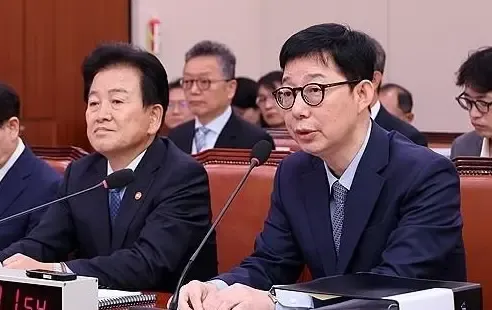
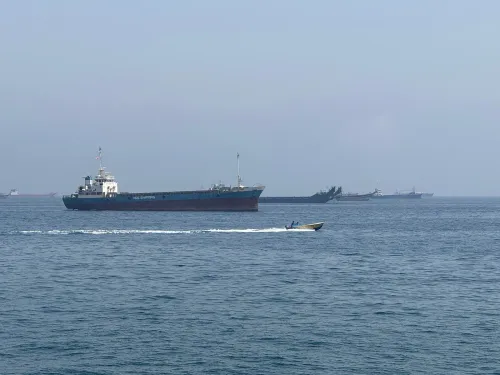
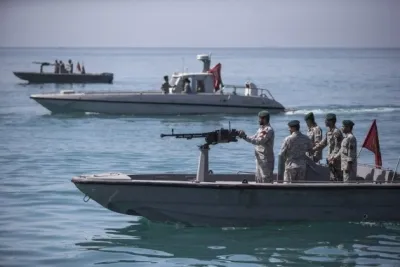
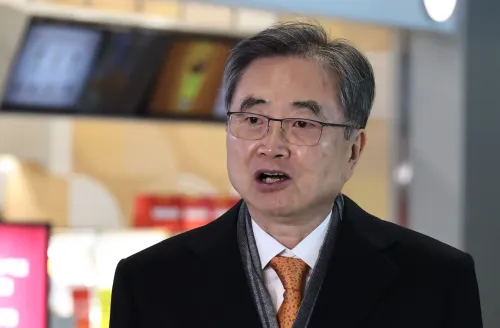
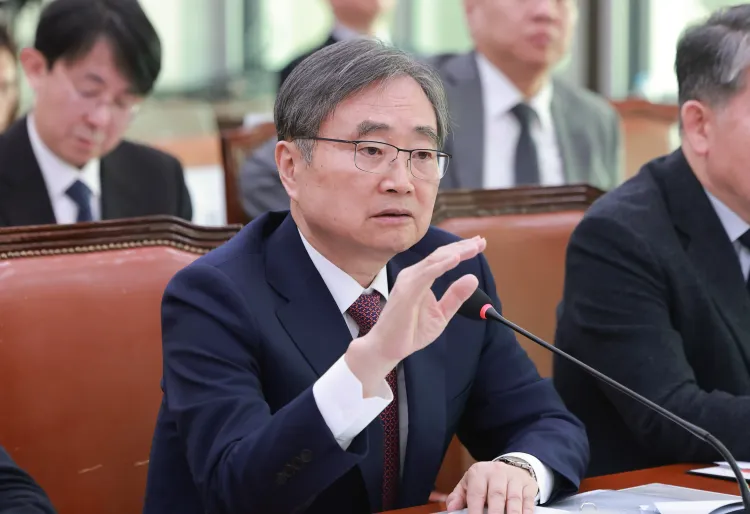
Seoul, March 17 (NationPress) South Korean Foreign Minister Cho Hyun dodged inquiries on Tuesday regarding whether the United States had made an official request for South Korea to send warships to the Middle East. This comes as pressure mounts on Seoul following US President Donald Trump's call for allies to contribute naval forces to secure the Strait of Hormuz.
During a parliamentary session, Cho provided ambiguous responses when lawmakers questioned if there had been any formal or informal communications from Washington about troop deployments in support of US military initiatives against Iran, according to Yonhap News Agency.
"It could be interpreted as a request or not," Cho stated at the National Assembly. "As for discussions regarding troop deployment, it is challenging for me to provide a comment at this moment."
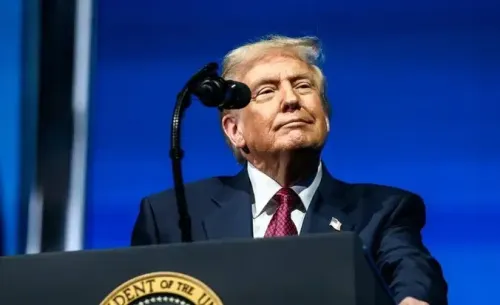
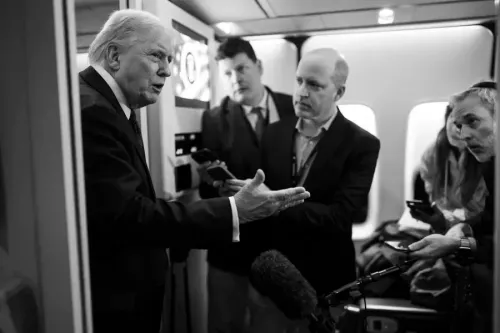
Trump reiterated his appeal on Monday (US time) for South Korea, Japan, and other allies whose economies are dependent on this crucial route to assist in safeguarding it, asserting that the US has consistently offered security support to these nations.
His comments were perceived as intensifying pressure on allies to help secure the strait. Trump expressed interest in observing how countries respond to the US's appeals.
US Secretary of State Marco Rubio reportedly echoed this request during a phone conversation with Cho late Monday, emphasizing the significance of collaboration to maintain security in the strait and stabilize the global economy and oil prices, as stated by the foreign ministry.
"My clear stance is to maintain a degree of ambiguity publicly while ensuring internal actions are aligned with the Constitution and relevant laws, prioritizing national interests and the safety of our citizens," Cho remarked.
He is expected to hold a one-on-one meeting with Rubio in Paris next week, where he is invited to participate in the Group of Seven foreign ministers' meeting.
Lawmakers from opposing parties expressed concerns that South Korea might be compelled to take part in the conflict against Iran, jeopardizing its economy, which is heavily reliant on oil imports from the region. They asserted that any potential US request for troop or naval vessel deployment should require parliamentary approval in accordance with the Constitution.
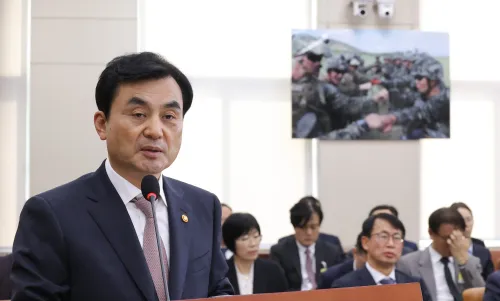
"Section 1 of Article 5 of the Constitution states that the Republic of Korea shall strive to maintain international peace and renounce all aggressive wars," Rep. Kim Sang-wook of the ruling Democratic Party (DP) said. "Given that the current conflict between the US and Iran may be considered an aggressive war, sending troops without thorough deliberation could violate the Constitution."
DP Representative Yoon Hu-duk also cautioned that responding to a missile or drone attack while escorting vessels would effectively mean participating in the war, which would necessitate public approval and ratification by the National Assembly under the Constitution.
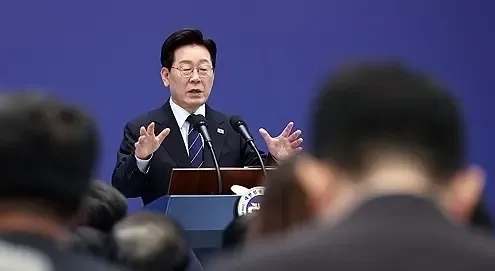
During an appearance on local broadcaster SBS, Hong Ihk-pyo, the senior presidential secretary for political affairs, emphasized that the government would approach Trump's request with caution.
"Our government needs to carefully consider the issue of sending combat troops in light of the current circumstances in the Middle East," he stated. "While our close security alliance remains a cornerstone of South Korea-US relations, it is equally important for both sides to demonstrate mutual respect and consideration."
Point of View
The situation reflects complex dynamics between international obligations and national interests. The South Korean government must navigate external pressures while ensuring constitutional adherence and safeguarding its economy amidst potential military commitments.
NationPress
20 Sept 2026
Frequently Asked Questions
Did the US formally request South Korea to send warships to the Middle East?
South Korean Foreign Minister Cho Hyun has not confirmed any formal request from the US regarding deploying warships to the Middle East.
What are the implications of South Korea sending troops to the Middle East?
Sending troops could risk South Korea's economy, which heavily relies on oil imports from the region, and may require parliamentary approval under the Constitution.
How has the US President's statement affected South Korea's stance?
President Trump's call for allies to support the security of the Strait of Hormuz has increased pressure on South Korea to consider military involvement.
What is the current status of discussions between South Korea and the US?
Cho Hyun is expected to meet with US Secretary of State Marco Rubio in Paris for further discussions.
What do lawmakers in South Korea say about troop deployment?
Lawmakers have raised concerns about the constitutional implications of deploying troops without parliamentary approval, given the potential nature of the conflict with Iran.