GPDP must deliver outcomes, not just compliance: Secy Vivek Bharadwaj
Synopsis
India's top Panchayati Raj official has called out a fundamental flaw in grassroots planning: GPDPs are being treated as paperwork, not policy. With the revamped eGramSwaraj portal now live and a new committee report on GPDP quality launched, the Ministry is pushing for a structural shift — from compliance-driven to outcome-driven rural development planning.
Key Takeaways
Panchayati Raj Secretary Vivek Bharadwaj on 4 May called for GPDPs to focus on quality outcomes , not mere compliance.
Three resources were launched: the PPC booklet 2026-27 , a GPDP quality committee report , and the revamped eGramSwaraj portal .
Jal Shakti Secretary Ashok K.K.
Meena urged a shift from infrastructure creation to sustained operations and maintenance of assets under Jal Jeevan Mission and Swachh Bharat Mission (Grameen) .
Additional Secretary Sushil Kumar Lohani flagged duplication of activities and weak convergence between Central and State schemes as key barriers to effective outcomes.
The workshop brought together officials from Central Ministries, Panchayati Raj Departments, and functionaries from across India.
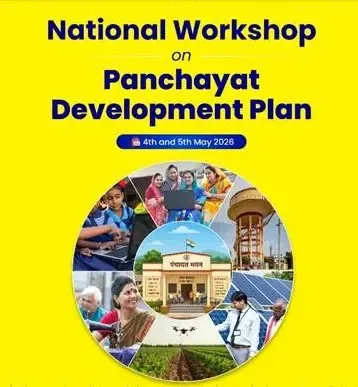
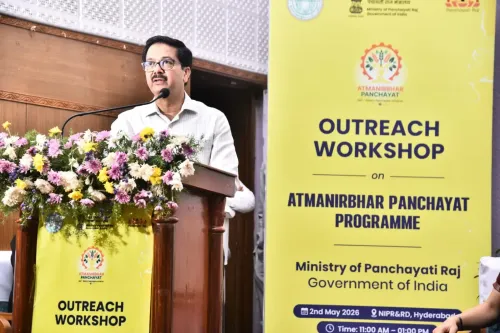
Panchayati Raj Secretary Vivek Bharadwaj on Monday, 4 May urged that the Gram Panchayat Development Plan (GPDP) must be treated as a genuine instrument of grassroots change — not a routine compliance formality. Speaking in New Delhi at the inauguration of a two-day National Workshop on Preparation of Panchayat Development Plans, organised by the Ministry of Panchayati Raj, Bharadwaj stressed that quality outcomes and real resource efficiency must drive the planning process.
Key Message from the Secretary
Bharadwaj underlined three pillars for strengthening Panchayat-led planning: sustainability, clear institutional responsibilities, and effective utilisation of resources. He warned that without proper asset-creation planning under the GPDP, public funds risk being wasted without tangible benefit to communities.
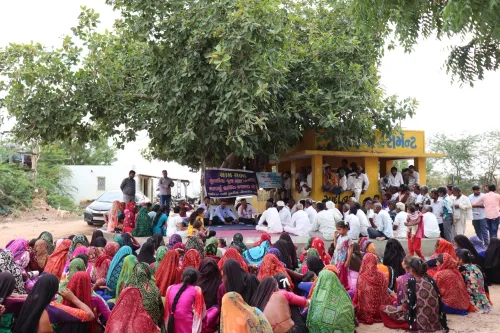
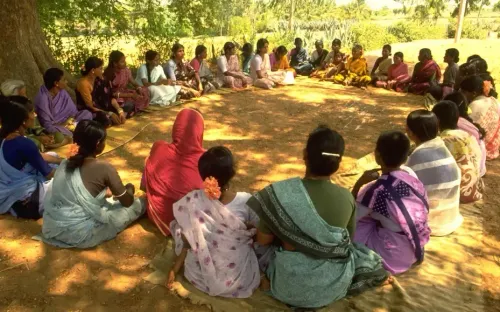
He also highlighted the critical role of digital platforms in ensuring long-term, reliable service delivery at the grassroots level. Greater citizen participation in Gram Sabhas, he said, would make local decision-making more inclusive and accountable.
Key Launches at the Workshop
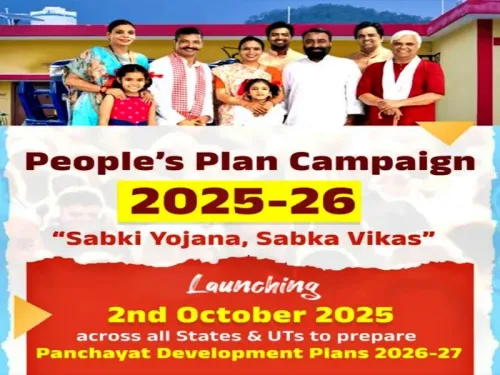
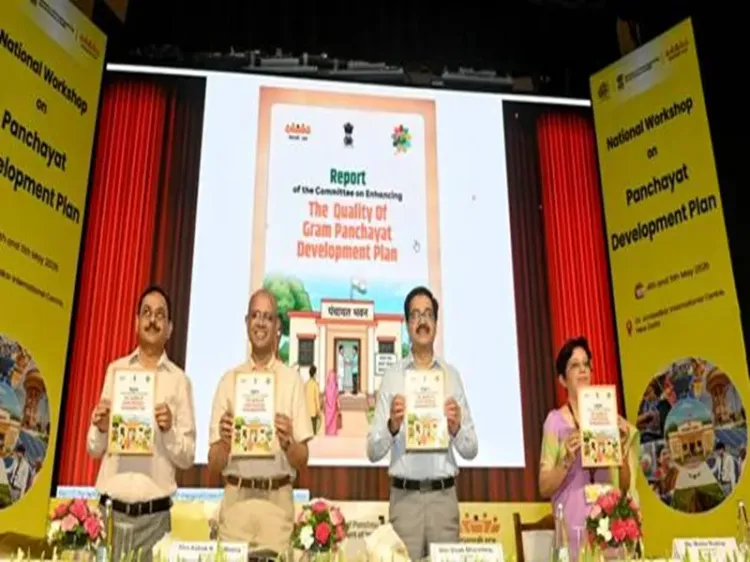
The inaugural session witnessed the launch of three significant resources: the People's Plan Campaign (PPC) booklet for Preparation of Panchayat Development Plan (2026-27), the Report of the Committee on Enhancing the Quality of GPDP, and the revamped eGramSwaraj planning portal. These tools are intended to support Panchayat functionaries in preparing more effective, data-driven development plans.
Jal Shakti Ministry Calls for Shift in Focus
Ashok K.K. Meena, Secretary, Department of Drinking Water and Sanitation (DDWS), Ministry of Jal Shakti, noted that schemes such as the Jal Jeevan Mission and Swachh Bharat Mission (Grameen) have already enabled large-scale infrastructure creation across rural India. He argued that the priority must now shift toward sustained operations, maintenance, and effective use of these assets, with Gram Panchayats taking a central role given their proximity to local needs.
Meena called for GPDPs to be made dynamic and outcome-oriented, integrating resource use, asset upkeep, and digital transparency, while stressing convergence across departments to strengthen accountability.
Convergence Gaps Flagged by Additional Secretary
Sushil Kumar Lohani, Additional Secretary, Ministry of Panchayati Raj, pointed to a persistent structural challenge: despite adequate fund availability, duplication of activities and weak convergence between Central and State schemes frequently leads to suboptimal outcomes on the ground. He called for thematic, quality-focused planning that bridges this coordination gap.
Who Attended and What's Next
The two-day workshop brought together senior officials from Central Ministries, representatives from Panchayati Raj Departments and SIRDs and PRs, Panchayat functionaries, and key stakeholders from across the country. The workshop aims to strengthen participatory planning and improve the quality of Panchayat development plans, making them more effective, inclusive, and outcome-oriented. The revamped eGramSwaraj portal is expected to play a central role in digitising and streamlining the GPDP process going forward.
Point of View
Not financial. The launch of a revamped portal and a new booklet are useful signals, but India has seen several digital governance relaunches that did not change ground realities. The real test will be whether eGramSwaraj's data is actually used to hold Panchayats accountable for outcomes, or whether it becomes another reporting layer that officials learn to game. With Gram Sabhas chronically under-attended in many states, the 'participatory planning' ideal remains aspirational without enforcement.
NationPress
19 Sept 2026
Frequently Asked Questions
What is the Gram Panchayat Development Plan (GPDP)?
The GPDP is an annual development plan prepared by each Gram Panchayat, outlining priorities for local infrastructure, services, and welfare activities. It is meant to channel Central and State scheme funds based on community needs identified through Gram Sabhas.
What was launched at the National Workshop on 4 May 2025?
Three key resources were launched: the People's Plan Campaign (PPC) booklet for GPDP preparation for 2026-27, the Report of the Committee on Enhancing the Quality of GPDP, and the revamped eGramSwaraj planning portal. The workshop was organised by the Ministry of Panchayati Raj in New Delhi.
What is the eGramSwaraj portal and why was it revamped?
eGramSwaraj is a digital platform designed to support Panchayat-level planning, fund tracking, and service delivery transparency. It was revamped to make GPDP preparation more streamlined, outcome-oriented, and digitally accountable.
Why did officials flag convergence as a problem in GPDP planning?
Additional Secretary Sushil Kumar Lohani noted that despite adequate funds, duplication of activities and weak coordination between Central and State schemes often leads to suboptimal outcomes. Better convergence is seen as essential to avoid resource wastage.
What role do Gram Sabhas play in the GPDP process?
Gram Sabhas are the primary forums where citizens participate in local planning decisions. Secretary Vivek Bharadwaj stressed that greater citizen participation in Gram Sabhas would make the GPDP process more inclusive and ensure that development plans reflect actual community needs.