Bengal verdict has national significance, signals desire for change: Shekhawat
Synopsis
Union Minister Gajendra Singh Shekhawat has framed the West Bengal election result as far more than a state-level win — calling it a nationally significant mandate shaped by border security, geopolitics, and voter demand for governance. The BJP reportedly won most of the 28 North Bengal seats Shekhawat personally oversaw, losing only Sitai and Chopra.
Key Takeaways
Union Minister Gajendra Singh Shekhawat credited the West Bengal mandate to PM Narendra Modi 's leadership and Home Minister Amit Shah 's organisational strategy.
Shekhawat described the verdict as carrying national significance , citing Bengal's borders with Nepal , Bhutan , and Bangladesh and its Bay of Bengal coastline.
He was personally responsible for 28 constituencies in North Bengal ; the BJP won most except Sitai and Chopra .
BJP National President Nitin Nabin , Bengal in-charge Bhupender Yadav , and General Secretary Sunil Bansal were credited for campaign execution.
Shekhawat called the result a reflection of voter aspirations for development-oriented governance and stronger administrative systems.
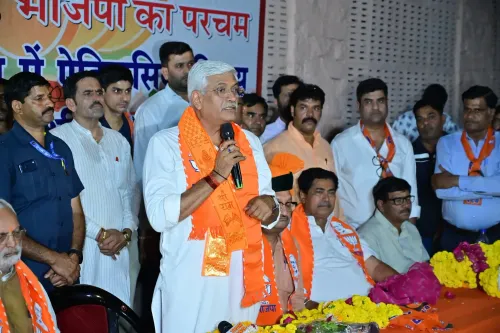
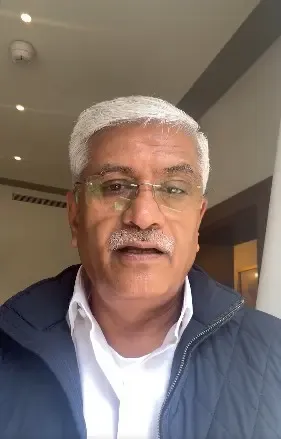
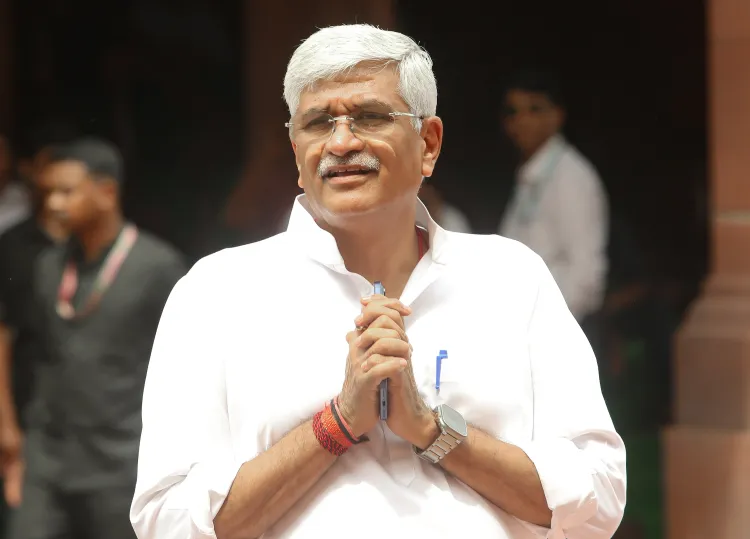
Union Minister for Culture and Tourism Gajendra Singh Shekhawat on Monday credited the West Bengal election mandate to the leadership of Prime Minister Narendra Modi and the organisational strategy of Union Home Minister Amit Shah, while also acknowledging the ground-level efforts of party workers. Speaking from Jaipur, Shekhawat said the verdict carries national significance, reflecting the people's desire for change and stability in a strategically important region.
"The outcome reflects a strong public mandate in favour of development, governance and security," Shekhawat said.
Why Bengal's Verdict Matters Nationally
Shekhawat underscored the geopolitical weight of West Bengal, pointing to its coastline along the Bay of Bengal and international borders with Nepal, Bhutan, and Bangladesh. He argued that governance and security in the region are critical for the country's strategic interests, making the electoral outcome far more consequential than a routine state-level result.
Calling it a continuation of the Bharatiya Janata Party's (BJP) ideological vision, Shekhawat said the result reflects voter aspirations for development-oriented governance and stronger administrative systems. He had earlier expressed confidence ahead of the second phase of polling, stating that political change in West Bengal was "inevitable" and that voters had already made up their minds in favour of the BJP.
Leadership and Campaign Execution
Shekhawat attributed the performance to a combination of central and state-level leadership. He specifically credited BJP National President Nitin Nabin, Bengal in-charge Bhupender Yadav, and General Secretary Sunil Bansal for the campaign's execution on the ground.
North Bengal Constituencies: Performance Breakdown
Shekhawat was personally assigned responsibility for 28 constituencies in North Bengal, covering seats including Mekhliganj, Mathabhanga, Cooch Behar North, Cooch Behar South, Sitalkuchi, Dinhata, Natabari, Tufanganj, Kumargram, Kalchini, Alipurduar, Falakata, Madarihat, Dhupguri, Maynaguri, Jalpaiguri, Rajganj, Sitai, Dabgram-Phulbari, Mal, Nagrakata, Kalimpong, Darjeeling, Kurseong, Matigara-Naxalbari, Siliguri, Phansidewa, and Chopra. According to the party's statement, the BJP won in most of these seats, with Sitai and Chopra being the exceptions.
What Comes Next
With the mandate secured, attention will now turn to whether the BJP can translate electoral gains in North Bengal into durable administrative influence — particularly given the region's sensitive border geography and longstanding governance challenges. The party's ability to deliver on its development and security promises will be closely watched in the months ahead.
Point of View
A theme with obvious resonance given Bangladesh's political volatility next door. The emphasis on Modi and Shah's leadership, while crediting state functionaries, also reinforces the party's centralised command narrative. What the statement does not address is the margin of victory, the scale of the overall seat tally, or how the result compares to 2021 — context that would determine whether this is a genuine political shift or incremental consolidation. The real test lies in whether BJP's North Bengal foothold translates into administrative delivery, particularly on border security and development, before the next electoral cycle.
NationPress
30 Sept 2026
Frequently Asked Questions
What did Gajendra Singh Shekhawat say about the West Bengal election result?
Union Minister Gajendra Singh Shekhawat credited the West Bengal mandate to PM Narendra Modi's leadership and Amit Shah's organisational strategy, calling the verdict nationally significant. He said it reflects voters' desire for development, governance, and security in a strategically important border state.
Why does Shekhawat consider the West Bengal verdict nationally significant?
Shekhawat highlighted West Bengal's geopolitical importance — its coastline along the Bay of Bengal and international borders with Nepal, Bhutan, and Bangladesh. He argued that governance and security in the region are critical for India's national interests.
How did BJP perform in the 28 North Bengal constituencies Shekhawat oversaw?
According to the party's statement, the BJP won most of the 28 North Bengal constituencies under Shekhawat's charge, with Sitai and Chopra being the only seats where the party did not win.
Who did Shekhawat credit for the BJP's campaign execution in West Bengal?
Besides PM Modi and Amit Shah, Shekhawat credited BJP National President Nitin Nabin, Bengal in-charge Bhupender Yadav, and General Secretary Sunil Bansal for the campaign's ground-level execution.
What does the West Bengal result mean for BJP's ideological vision?
Shekhawat described the result as a continuation of the BJP's ideological vision, reflecting voter aspirations for development-oriented governance and stronger administrative systems in the state.