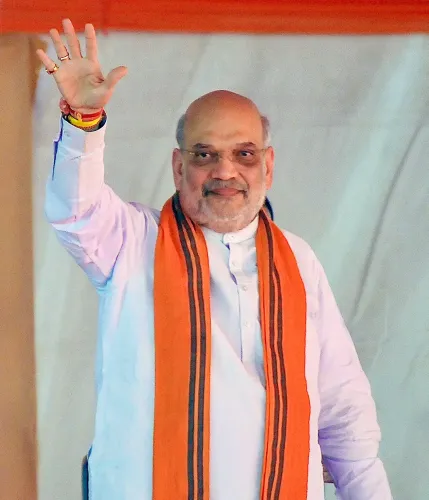
Amit Shah: BJP Set to Win 110+ Seats in Bengal Phase 1
Synopsis
Union Home Minister Amit Shah projected BJP winning 110+ of 152 seats in West Bengal's Phase 1 polls, called it a 'tsunami', hinted a Bengali-born CM would replace Mamata Banerjee, and set a 77-seat target for Phase 2 on April 29 — signalling BJP's most ambitious Bengal push yet.
Key Takeaways
Amit Shah projected BJP winning 110+ of 152 seats in West Bengal Phase 1 held on April 23, 2021 , based on overnight party analysis.
BJP's Phase 2 target is at least 77 seats out of 142 constituencies voting on April 29, 2021 .
Shah hinted the next West Bengal Chief Minister under BJP would be a Bengali-born, Bengali-medium educated leader — countering TMC's outsider narrative.
Phase 1 was described as violence-free by Shah, who credited central forces and Election Commission staff for the rare achievement in Bengal's electoral history.
Shah used the term "tsunami" to describe BJP's anticipated performance across West Bengal , signalling high internal confidence.
The BJP's combined projection of 187+ seats across just the first two phases would comfortably exceed the 148-seat majority mark in the 294-seat Assembly .
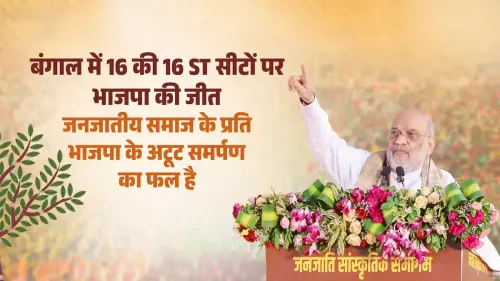
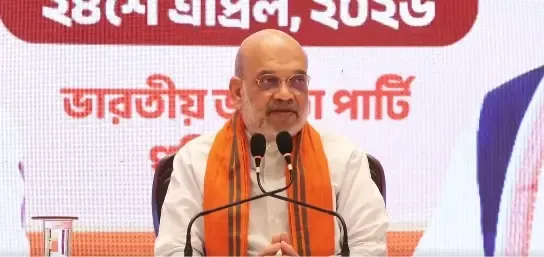
Union Home Minister Amit Shah on Friday, April 24, declared that the Bharatiya Janata Party (BJP) is poised to win a minimum of 110 out of 152 Assembly constituencies that went to polls in the first phase of the West Bengal Assembly elections held on April 23. Shah made the projection after what he described as an overnight data analysis session, signalling the party's confidence in forming a majority government in the state.
BJP's Phase 1 Seat Projection
Speaking to media in Kolkata, HM Amit Shah said the figure of 110-plus seats was arrived at after a thorough, night-long assessment of polling trends on Thursday. He expressed certainty that the BJP would form the next government with a clear majority in West Bengal.
"Of the 152 Assembly constituencies for which polling was conducted on Thursday, the BJP candidates will win from at least 110 Assembly constituencies, if not more. We will form the new government with a clear majority," Shah stated.
This projection, if accurate, would represent a historic shift in West Bengal's political landscape, a state that has been dominated by the Trinamool Congress (TMC) under Chief Minister Mamata Banerjee since 2011. The BJP's aggressive push into Bengal has been building since its strong performance in the 2019 Lok Sabha elections, when it won 18 of 42 parliamentary seats in the state.
Shah Hints at Next Bengal Chief Minister
Amit Shah also offered a pointed message directed at incumbent Chief Minister Mamata Banerjee, hinting at the profile of her potential successor without naming an individual.
"I would like to assure the current Chief Minister, Mamata Banerjee, that her successor will be one who was born and brought up in West Bengal, who is not only a Bengali-speaking but also pursued his academic career in the Bengali medium. A true Bengali will be the next Chief Minister of West Bengal," Shah said.
This statement is widely seen as a strategic counter to the TMC's narrative that the BJP is an outsider party imposing Hindi-belt leadership on Bengal. By emphasising a Bengali identity for the prospective CM, the BJP appears to be directly addressing one of the most potent cultural arguments used against it in the state.
Phase 2 Target: 77 Seats in 142 Constituencies
With 142 Assembly constituencies scheduled to vote in the second phase on April 29, HM Shah set a target of winning at least 77 seats in that round, which would cumulatively push the BJP well past the majority mark in the 294-seat West Bengal Assembly.
"We are currently targeting victory from at least 77 Assembly constituencies in the second phase. The BJP does not make the government. The people choose their government. I can see a tsunami in West Bengal this time," the Home Minister said.
He acknowledged that the contest across West Bengal has been a tough challenge for the party but maintained that voter sentiment is decisively in BJP's favour. His use of the word "tsunami" echoes the kind of language typically deployed by the BJP's top brass ahead of expected landslide victories.
Shah Credits Central Forces for Violence-Free Phase 1
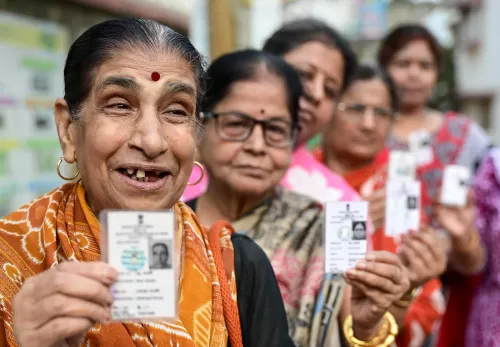
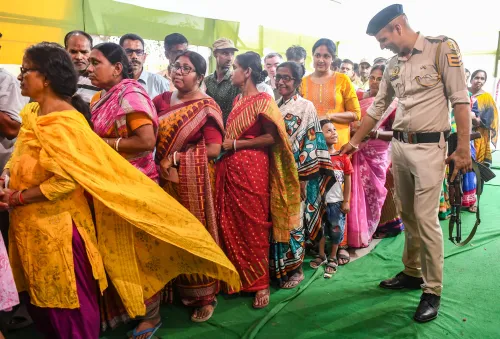
Amit Shah also took the opportunity to commend the role of central security forces, Election Commission of India officials, and state police for ensuring a relatively peaceful first phase — a notable contrast to West Bengal's historically violence-marred electoral history.
"The entire credit goes to them that after so many years, there was no death in an election in West Bengal," Shah said, calling it a significant milestone for democratic conduct in the state.
He also thanked voters who participated in Phase 1, framing their turnout as the beginning of a transition — "from fear to hope" — a phrase the BJP has deployed consistently in its Bengal campaign to highlight what it calls TMC-sponsored political violence that has allegedly suppressed democratic participation in the state for years.
Strategic Context and What Comes Next
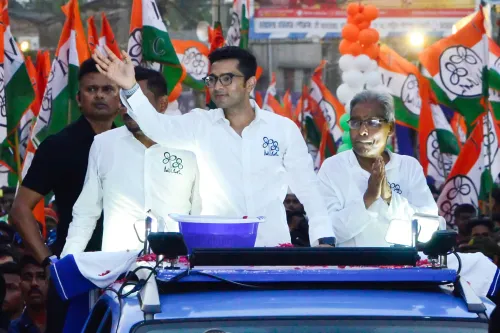
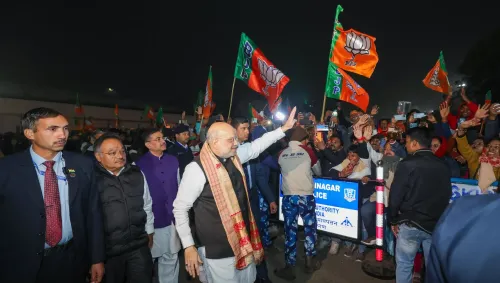
The BJP's Bengal campaign has been one of the most high-stakes electoral battles in recent Indian political history. Prime Minister Narendra Modi and Amit Shah have held dozens of rallies across the state, while the TMC under Mamata Banerjee has fought back with aggressive outreach and identity politics centred on Bengali pride and anti-outsider sentiment.
Notably, West Bengal has seen multiple rounds of post-poll violence in previous elections, making the claim of a death-free Phase 1 politically significant for the BJP's law-and-order narrative. Critics, however, caution that isolated incidents and voter intimidation claims may not always surface immediately in official data.
With Phase 2 voting on April 29 covering another 142 constituencies, the political temperature in West Bengal is set to rise further. The BJP's combined target of 187-plus seats (110 from Phase 1 and 77 from Phase 2) across just the first two phases suggests the party is internally projecting a figure well above the 148-seat majority mark in the full 294-seat house. All eyes will now be on voter turnout patterns and any ground-level shifts as the campaign intensifies ahead of April 29.
Point of View
However, is whether Shah's projections translate to votes in the remaining phases, or whether they become a benchmark against which BJP's eventual tally will be measured and judged.
NationPress
2 Oct 2026
Frequently Asked Questions
How many seats did Amit Shah predict BJP would win in West Bengal Phase 1?
Amit Shah predicted that the BJP would win at least 110 out of 152 Assembly constituencies that voted in Phase 1 of the West Bengal elections on April 23. He said the figure was based on a night-long analysis conducted by the party.
What is BJP's target for West Bengal Phase 2 elections on April 29?
Amit Shah set a target of winning at least 77 of the 142 Assembly constituencies going to polls in Phase 2 on April 29. Combined with Phase 1 projections, this would put BJP well above the 148-seat majority mark in the 294-seat West Bengal Assembly.
Who did Amit Shah hint would be West Bengal's next Chief Minister?
Amit Shah hinted that the next Chief Minister of West Bengal would be a Bengali-born individual who was raised in the state and educated in the Bengali medium. He did not name a specific person but made the statement directly addressing incumbent CM Mamata Banerjee.
Was West Bengal Phase 1 polling peaceful in 2021?
Amit Shah claimed that Phase 1 of the West Bengal Assembly elections on April 23 was conducted without any poll-related deaths — a rare occurrence in the state's electoral history. He credited central security forces and Election Commission personnel for maintaining order.
What is the total number of seats in the West Bengal Assembly?
The West Bengal Legislative Assembly has a total of 294 seats, requiring a party to win at least 148 seats to form a majority government. The 2021 elections were being conducted in multiple phases across these constituencies.