Amit Shah's 'Setting Sun' Jab at TMC as Bengal Phase 1 Hits 90% Turnout
Synopsis
Union Home Minister Amit Shah posted a 'setting sun' video targeting TMC's alleged corruption as West Bengal Phase 1 polling hit a near-record 89.93% turnout across 152 constituencies — surpassing the 2021 benchmark of 82% and potentially rewriting the state's electoral history.
Key Takeaways
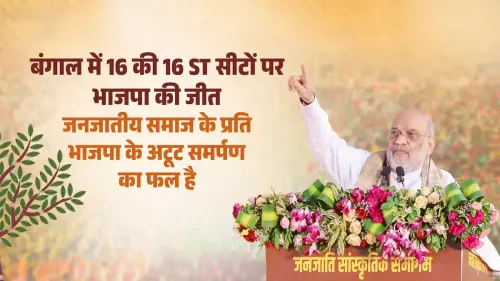
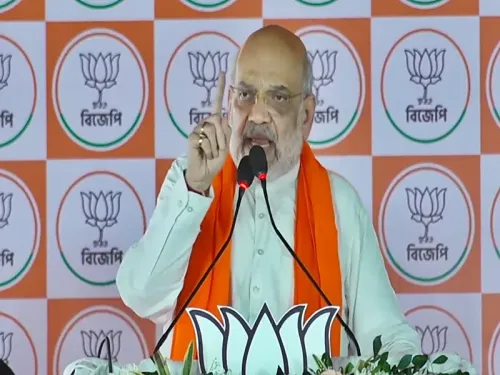
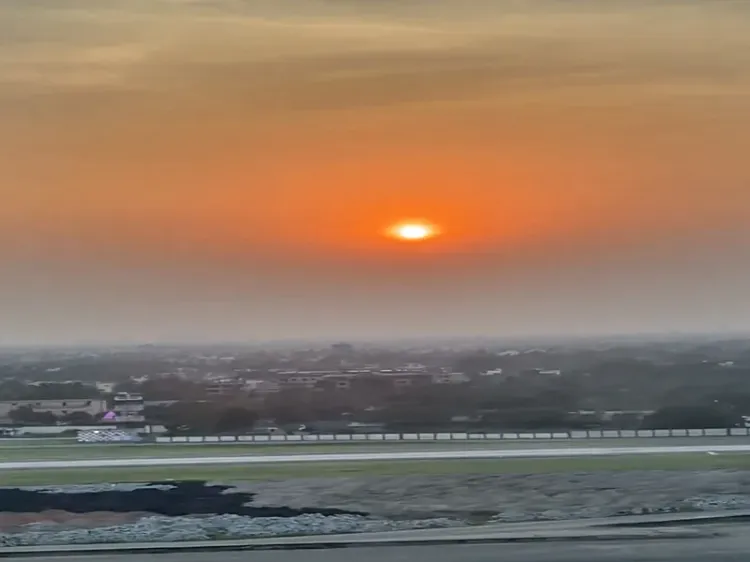
Amit Shah posted a 'setting sun' video on X targeting TMC , stating: "The sun of TMC's corruption and hooliganism has set" on April 23, 2025 .
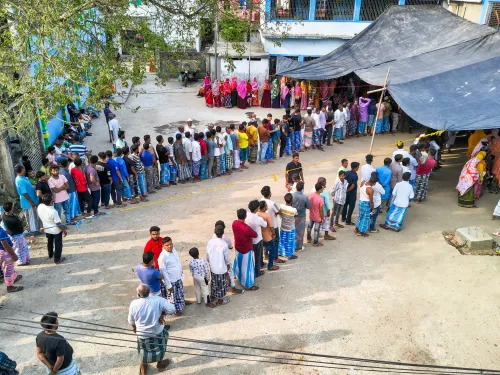
West Bengal Phase 1 recorded 89.93% voter turnout by 5 p.m. — expected to cross 90% , potentially a state record surpassing the 82% turnout of 2021 .
152 Assembly constituencies across 16 districts voted in Phase 1; Phase 2 covering 142 seats is on April 29, 2025 .
PM Modi took a 'jhalmuri break' jab at TMC at a public rally, while Shah's earlier 'Kolkata slum' remark triggered sharp reactions from Trinamool Congress leaders.
West Bengal has been under TMC rule for 15 years ; BJP won 18 of 42 Lok Sabha seats in 2019 but lost the 2021 Assembly polls where TMC secured 213 seats .
Key Phase 1 flashpoint districts include Birbhum — site of the Bogtui massacre (March 2022) — and Cooch Behar , both historically linked to political violence.
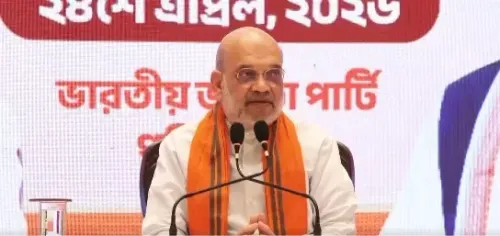
West Bengal, April 23 — Union Home Minister Amit Shah launched a sharp political broadside against the Trinamool Congress (TMC) government on Thursday, posting a video of a setting sun on X (formerly Twitter) with the caption: "The sun of the TMC's corruption and hooliganism has set." The attack came as West Bengal's Phase 1 Assembly elections recorded a near-record voter turnout of 89.93 per cent across 152 constituencies in 16 districts — a figure expected to cross the 90 per cent mark once final tallies are compiled.
Shah's 'Setting Sun' Salvo and the BJP-TMC War of Words
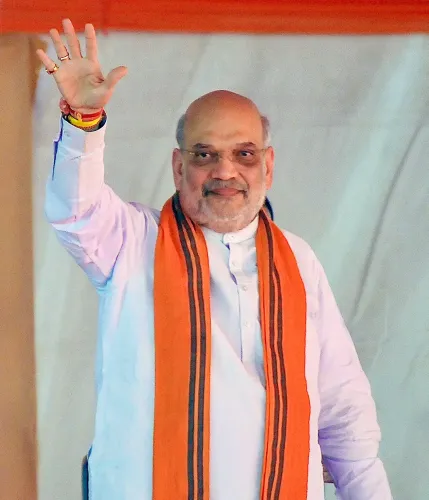
Amit Shah, on an intensive campaign blitz in the state, used the sunset metaphor to frame the Mamata Banerjee-led government's alleged failures — specifically targeting what the BJP describes as systemic corruption, political violence, and administrative incompetence over 15 years of TMC rule.
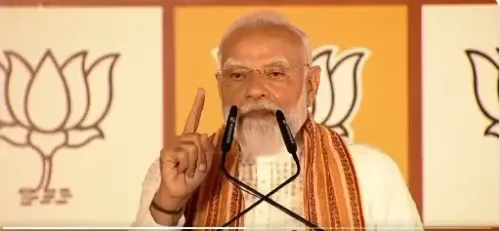
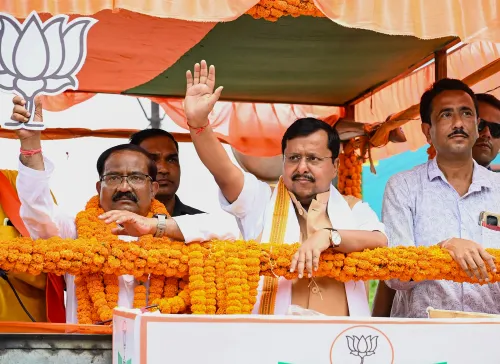
The remark followed Prime Minister Narendra Modi's jibe at a public rally earlier the same day, where he referenced a "jhalmuri break" from his previous Bengal campaign as having delivered a political shock to the ruling establishment — widely interpreted as a dig at TMC.
On Wednesday, April 22, Shah had already triggered controversy with his "Kolkata turned into a slum" remark, which drew furious rebuttals from Trinamool Congress leaders, who countered by labelling BJP leaders as "outsiders" with no understanding of Bengal's culture or governance.
Historic Voter Turnout: What the Numbers Signal
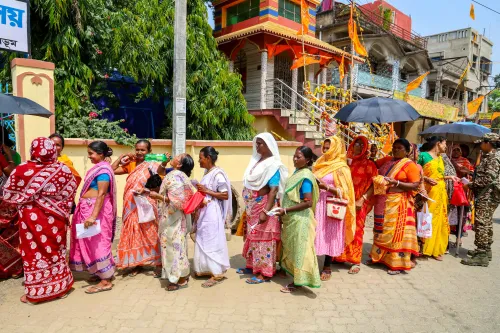
The 89.93 per cent turnout recorded by 5 p.m. on April 23 is already significantly higher than the 82 per cent turnout seen in the 2021 West Bengal Assembly elections — itself considered one of the highest in the state's democratic history. With postal ballots and late arrivals factored in, analysts expect the final figure to breach 90 per cent, potentially setting a new state record.
Political observers are divided on what this surge means. High turnout in Bengal has historically favoured the ruling party due to its grassroots mobilisation machinery, but BJP strategists argue that a significant chunk of the additional voters represent anti-incumbency sentiment after 15 years of TMC governance.
Notably, the 2021 elections were also marked by widespread reports of post-poll violence — a fact that BJP has repeatedly flagged before national bodies and courts. The Calcutta High Court and the Supreme Court of India had taken cognisance of violence complaints in the aftermath of those polls, adding a layer of judicial scrutiny to Bengal's electoral climate.
Phase 1 Districts: Geography and Political Stakes
The 16 districts that voted in Phase 1 span both North Bengal and parts of the state's southern belt. North Bengal districts include Cooch Behar, Darjeeling, Kalimpong, Jalpaiguri, Alipurduar, North Dinajpur, South Dinajpur, and Malda. The southern cluster covers Murshidabad, East Midnapore, West Midnapore, Jhargram, Purulia, Bankura, West Burdwan, and Birbhum.
Several of these constituencies — particularly Cooch Behar and Birbhum — have been flashpoints for political violence in recent electoral cycles, drawing national attention and central security deployment. Birbhum, in particular, was the site of the Bogtui massacre in March 2022, when multiple people were killed in arson attacks allegedly linked to political rivalry, underscoring the high-stakes nature of electoral contests in these regions.
The Deeper Contest: 15 Years of TMC Rule Under Scrutiny
West Bengal has been under Trinamool Congress rule since 2011, when Mamata Banerjee ended the Left Front's 34-year dominance. The BJP made significant inroads in the 2019 Lok Sabha elections, winning 18 of 42 seats, before being held back in the 2021 Assembly polls where TMC returned with a 213-seat majority in the 294-seat House.
Critics of the TMC government point to persistent issues including allegations of syndicate raj, school jobs scam (for which several party leaders face ongoing CBI investigations), and the Sandeshkhali land and sexual assault controversy of 2024 — all of which BJP has weaponised in its campaign narrative.
TMC, on its part, highlights welfare schemes like Lakshmir Bhandar, Kanyashree, and Swasthya Sathi as evidence of pro-people governance, arguing that BJP's campaign is driven by outsider interference rather than ground realities.
What Comes Next: Phase 2 and the Road to Results
The second and final phase of the West Bengal Assembly elections is scheduled for April 29, 2025, covering 142 Assembly constituencies. All eyes will be on whether the momentum — and the turnout — sustains into the second phase, particularly in constituencies closer to Kolkata and the industrial belt.
With both BJP and TMC deploying their top leadership for the final stretch, the rhetorical battle is expected to intensify further before the model code of conduct lifts and results are declared. The outcome will be a critical indicator of whether Mamata Banerjee's political dominance endures — or whether the BJP's long campaign to flip Bengal finally bears fruit.
Point of View
TMC's welfare-state incumbency, and a voter base increasingly aware of the school jobs scam, Sandeshkhali, and syndicate allegations. Amit Shah's 'setting sun' metaphor is clever optics, but the real story is whether the surge in voters represents genuine anti-incumbency or TMC's unmatched booth-level mobilisation. History warns us: in Bengal, high turnout has often been followed by post-poll violence — a cycle that national institutions have repeatedly failed to break.
NationPress
15 Oct 2026
Frequently Asked Questions
What did Amit Shah say about TMC during the West Bengal elections?
Amit Shah posted a video of a setting sun on X with the caption 'The sun of TMC's corruption and hooliganism has set,' targeting the Mamata Banerjee-led government. The remark was part of BJP's intensifying campaign rhetoric ahead of Phase 2 polling on April 29.
What was the voter turnout in West Bengal Phase 1 elections 2025?
West Bengal Phase 1 recorded 89.93% voter turnout by 5 p.m. on April 23, 2025, with the final figure expected to cross 90%. This significantly exceeds the 82% turnout recorded in the 2021 Assembly elections.
Which districts voted in West Bengal Phase 1 elections?
A total of 152 Assembly constituencies across 16 districts voted in Phase 1, including Cooch Behar, Darjeeling, Jalpaiguri, Malda, Murshidabad, Birbhum, Purulia, and Bankura, among others. The second phase covering 142 seats is scheduled for April 29.
Why is the West Bengal election 2025 considered significant?
West Bengal has been under TMC rule for 15 years, and this election is seen as a key test of Mamata Banerjee's political dominance against a resurgent BJP. The polls come amid multiple corruption allegations against TMC, including the school jobs scam and the Sandeshkhali controversy.
When is West Bengal Phase 2 election 2025?
West Bengal Phase 2 elections are scheduled for April 29, 2025, covering 142 Assembly constituencies. Combined with Phase 1's 152 seats, the entire 294-seat West Bengal Assembly will have voted across the two phases.