Trump scraps Hormuz shipping fee after Gulf states pledge billions in US investment
Synopsis
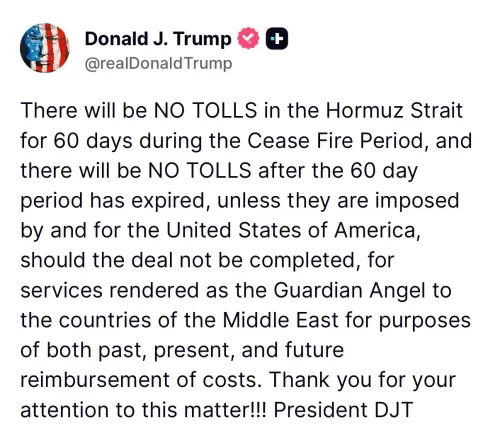
Trump floated a 20% Hormuz shipping fee one day and dropped it the next — after Gulf kings and emirs called offering billions in US investments instead. The episode lays bare the transactional logic now driving American security commitments in the Middle East: no formal treaty, just a deal.
Key Takeaways
President Trump withdrew a proposed 20 per cent shipping fee on Strait of Hormuz transit on 14 July , less than 24 hours after floating it.
Gulf leaders from Saudi Arabia , UAE , Qatar , Bahrain , and Kuwait contacted Trump and offered 'billions and billions' in fresh US investments as an alternative.
Trump confirmed the fee plan was completely abandoned , calling the investment arrangement 'much better.' No specific investment figures, timelines, or binding commitments were publicly announced.
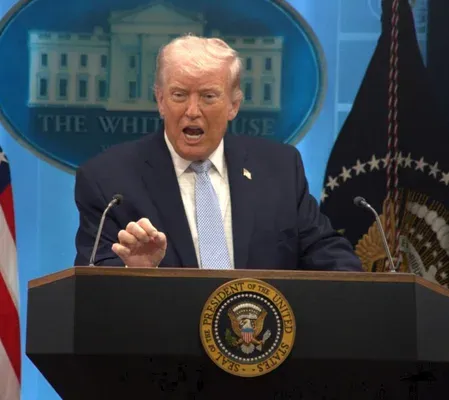
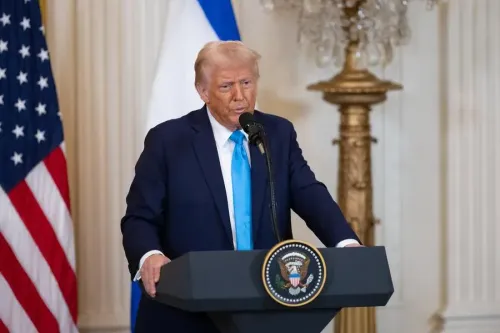
The announcement came during Trump's White House meeting with Iraqi Prime Minister Ali al-Zaidi .
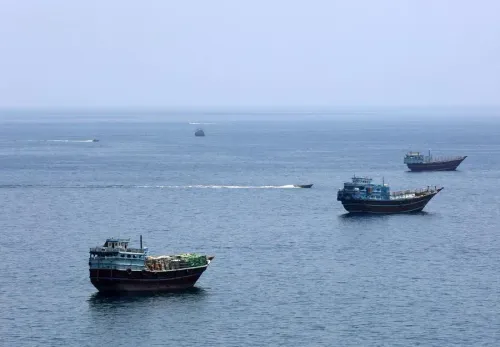
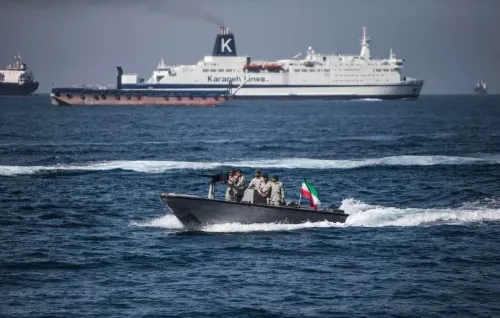
The Strait of Hormuz accounts for roughly 20 per cent of global oil trade and hosts the US Navy's Fifth Fleet in nearby Bahrain .
President Donald Trump on Tuesday, 14 July announced he had withdrawn a proposal to impose a 20 per cent shipping fee on vessels transiting the Strait of Hormuz — one of the world's most critical energy corridors — after leaders from several Gulf nations offered to make billions of dollars in fresh investments in the United States instead. The reversal came just a day after the fee proposal was floated publicly, marking one of the fastest U-turns on a major foreign-policy trial balloon in recent memory.
How the Deal Unfolded
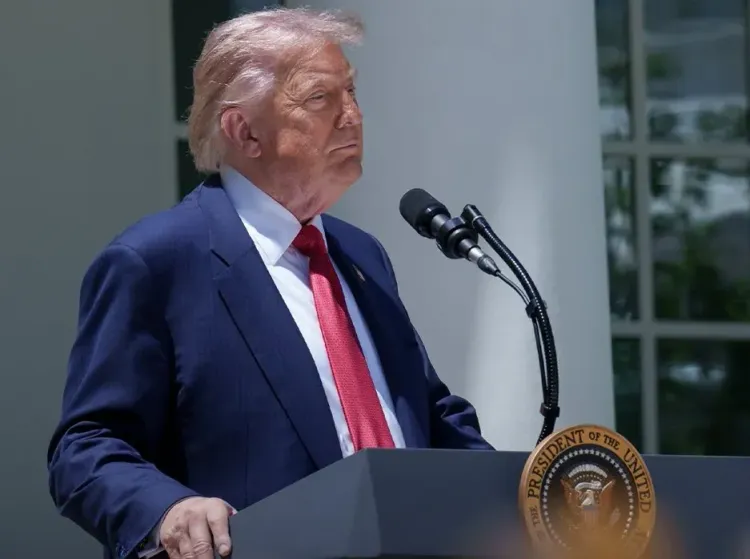
Trump disclosed the shift during a meeting at the White House with Iraqi Prime Minister Ali al-Zaidi, telling reporters that Gulf leaders had contacted him almost immediately after the fee proposal became public. 'I was called by different people, different countries, kings and emirs... and they said, we'd love to do it a different way. We'd love to invest in the United States with billions and billions of dollars,' Trump said.
He confirmed the fee plan had been abandoned completely, naming Saudi Arabia, the UAE, Qatar, Bahrain, and Kuwait as countries prepared to make 'record amounts' of additional investment in the United States.
Trump's Rationale for the Original Proposal
Trump argued that the United States had been undercompensated for decades of patrolling the Strait of Hormuz, through which a significant share of global oil exports flows. 'We've been doing that for many, many years, it was never fair to me that we would be guarding the strait when we basically don't take anything. We don't need the oil at all,' he said.
He acknowledged that while the waterway is no longer critical to American energy supplies — given the U.S.'s own oil production surge — it remains vital to allies and trading partners, including China. 'I don't mind protecting it for China. I don't mind protecting it for anybody, but it's unfair that we're not somehow compensated,' Trump added.
Why Investment Won Over a Fee
Trump said he found the investment-based arrangement more palatable than a transit charge, signalling a preference for bilateral capital flows over a formal toll mechanism. 'I like that, actually, because I don't think anybody should be able to charge a fee for the strait or for any other strait relationship in terms of other sections of the world,' he said.
He framed the incoming Gulf investments as a form of indirect reimbursement. 'They're investing, and they're getting a return on their money, and it's good, but they're going to be making massive investments into the United States, and I like that much better,' Trump said. No specific investment figures, timelines, or binding commitments were announced alongside the statement.
Strategic Context and What Comes Next
The Strait of Hormuz, a narrow waterway between Iran and Oman, is the passage point for roughly 20 per cent of global oil trade, making it one of the most strategically sensitive chokepoints on earth. The U.S. Navy's Fifth Fleet, headquartered in Bahrain, has maintained a continuous presence in the region for decades.
The episode highlights the transactional character of the current U.S. administration's approach to security alliances — where long-standing military commitments are increasingly framed as economic arrangements requiring reciprocity. Notably, this is not the first time a Trump-era pressure tactic has been quickly traded for investment pledges from Gulf states. Whether the promised investments materialise into formal agreements remains to be seen, and no joint statement from Gulf governments had been issued at the time of Trump's remarks.
Point of View
Then traded away for unspecified investment promises — is less a policy reversal than a negotiating pattern. Trump has now twice in his presidency used the threat of withdrawing or monetising U.S. security guarantees in the Gulf to extract economic concessions. The critical question mainstream coverage is underplaying: are these 'billions and billions' in investments backed by any binding framework, or are they the same category of headline-grabbing pledge that Gulf summits have produced before? Without enforceable commitments, the episode risks becoming a precedent where U.S. security posture in one of the world's most volatile chokepoints is set by whoever calls the White House first.
NationPress
15 Jul 2026
Frequently Asked Questions
What was Trump's Strait of Hormuz shipping fee proposal?
Trump proposed charging a 20 per cent fee on commercial vessels transiting the Strait of Hormuz as a way to recover the cost of long-standing U.S. military protection of the waterway. The proposal was floated publicly but was dropped within roughly 24 hours after Gulf leaders offered large-scale investments in the United States as an alternative.
Why did Trump drop the Hormuz shipping fee?
Trump said leaders from Gulf nations — including Saudi Arabia, UAE, Qatar, Bahrain, and Kuwait — called him shortly after the proposal became public and offered to make 'billions and billions' of dollars in fresh investments in the United States instead. Trump said he found the investment arrangement more attractive than imposing a direct transit charge.
Which Gulf countries are involved in the investment pledge?
Trump named Saudi Arabia, the UAE, Qatar, Bahrain, and Kuwait as the countries prepared to make record-level investments in the United States. No specific figures, sectors, or binding timelines were announced alongside his statement.
Why does the Strait of Hormuz matter strategically?
The Strait of Hormuz is a narrow waterway between Iran and Oman through which roughly 20 per cent of global oil trade passes, making it one of the most critical energy chokepoints in the world. The U.S. Navy's Fifth Fleet, based in Bahrain, has maintained a continuous presence in the region for decades to keep the strait open.
Where did Trump make this announcement?
Trump made the announcement on 14 July at the White House during a meeting with Iraqi Prime Minister Ali al-Zaidi, telling reporters that the fee plan had been fully abandoned in favour of the Gulf investment arrangement.