Iran's Foreign Minister: No Ceasefire or Negotiations, Ready to Defend Against 'Illegal War'
Synopsis
Iran's Foreign Minister, Seyed Abbas Araghchi, asserts that the nation is not pursuing a ceasefire or negotiations with the US and is prepared to defend itself against what he calls an 'illegal war'. This bold stance raises significant questions about the future of US-Iran relations.
Key Takeaways
Tehran is not pursuing a ceasefire or negotiations with the US.
Iran is prepared to defend itself indefinitely against what it considers an illegal war.
The Strait of Hormuz remains open for international navigation.
Iran has not sought nuclear armament and previously agreed to dilute enriched uranium.
Iran plans to meet with regional states to investigate attacks on them.
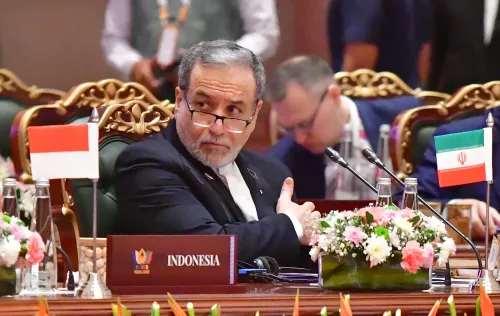
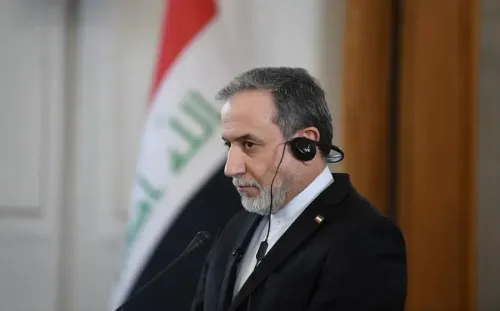
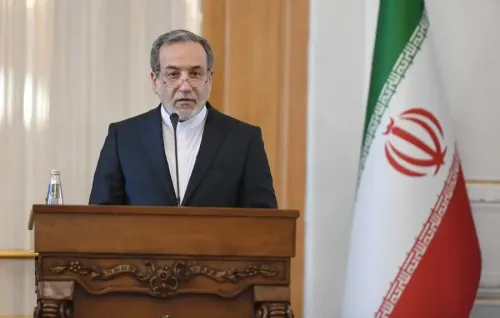
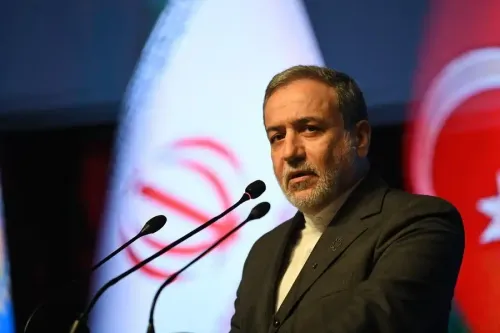
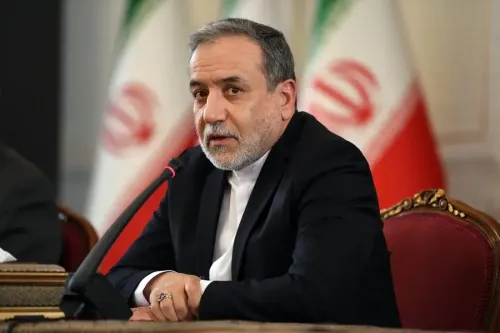
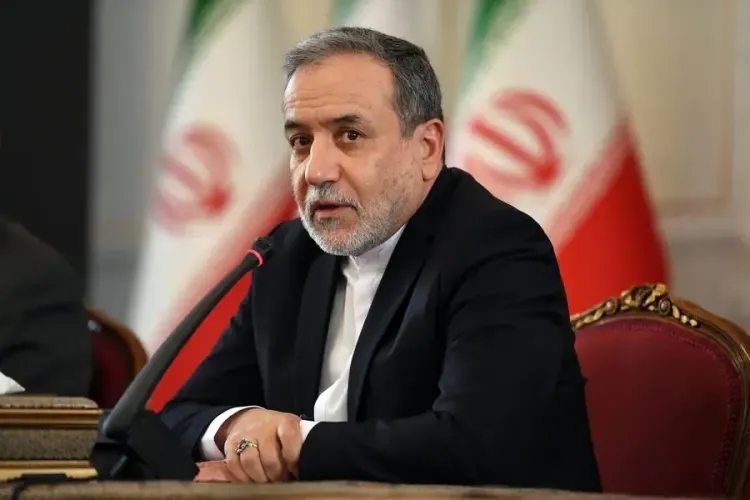
Tehran, March 16 (NationPress) Iranian Foreign Minister Seyed Abbas Araghchi has declared that Iran is not seeking a ceasefire or any negotiations with the United States. He emphasized that Tehran is ready to defend itself "for as long as necessary" against what he labeled an "illegal war". In an interview with CBS News broadcast on Sunday, Araghchi dismissed assertions that Iran has expressed a desire to stop hostilities, as reported by the Xinhua news agency.
"We have never requested a ceasefire, nor have we ever sought negotiations. We are prepared to protect ourselves for as long as it takes," the minister stated.
He indicated that Iran will persist with its operations until US President Donald Trump acknowledges that this is an "illegal war with no chance of victory".
"There is no justification for us to engage in dialogue with Americans, especially since we were in discussions when they opted to attack us, marking the second such instance," Araghchi added.
Regarding the Strait of Hormuz, the minister clarified that Iran has not obstructed this vital waterway. "The military will make that decision, and they have already chosen to allow vessels from various countries to pass through," he noted.
On the nuclear issue, Araghchi reiterated that Iran has never pursued nuclear armament.
He revealed that Iran had consented to dilute its enriched uranium during prior talks with the United States, stating that the enriched materials are now "under the rubble" due to strikes on its nuclear facilities. "Everything is under the rubble," he remarked, adding that Iran currently has no plans to recover any enriched uranium from the damaged sites.
Earlier on Sunday, Araghchi indicated that Tehran possesses intelligence suggesting that the US and Israel are conducting attacks from specific locations against Arab nations in the West Asia region.
He made these comments during an interview with the pan-Arab news outlet Al-Araby Al-Jadeed, parts of which were published, raising questions about the origins of attacks on regional Arab states that have been attributed to Iran.
Araghchi stated that Iran is willing to meet with regional nations and create a joint committee to examine the nature of the targeted attacks.
He added that Iran's strikes were solely directed at US bases and interests in retaliation for attacks originating from those locations.
Point of View
It highlights a growing tension in geopolitical relations. The call for unwavering defense reflects Iran's determination amidst claims of an 'illegal war'. This situation requires careful monitoring as it unfolds.
NationPress
20 Sept 2026
Frequently Asked Questions
What is Iran's stance regarding negotiations with the US?
Iran's Foreign Minister has stated that the country is not seeking negotiations with the US and is prepared to defend itself 'for as long as necessary'.
What does Iran consider an 'illegal war'?
Iran refers to the ongoing conflict with the US as an 'illegal war', emphasizing its commitment to self-defense.
Has Iran closed the Strait of Hormuz?
No, Iran has not closed the Strait of Hormuz and has allowed vessels from various countries to pass through.
What is Iran's position on nuclear weapons?
Iran has reiterated that it has never sought nuclear weapons.
What recent intelligence does Iran have regarding US and Israel?
Iran claims to have information that the US and Israel are launching attacks from specific locations against Arab states.