Assam Govt Tables Six Bills in Budget Session to Ease Business, Boost Tourism
Synopsis
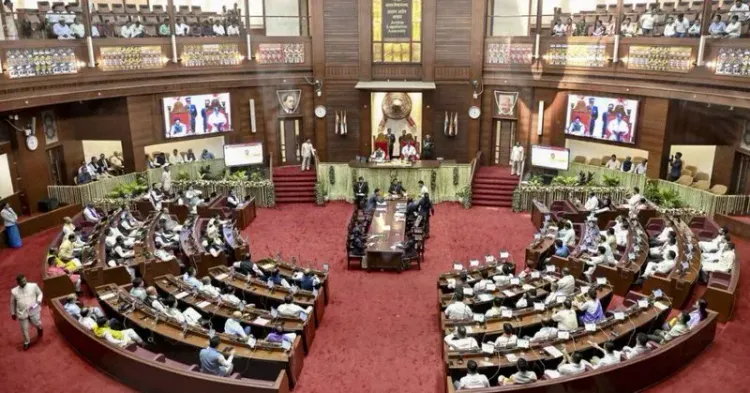
The Assam government tabled six bills in the ongoing Budget Session of the state legislature on 10 July 2026, aiming to ease regulatory burdens on businesses and strengthen the tourism sector — continuing a multi-year reform push under Chief Minister Himanta Biswa Sarma.
Key Takeaways
The Government of Assam tabled six bills in the Assam Legislative Assembly during the Budget Session on 10 July 2026 .
The bills are collectively aimed at easing the business environment and boosting the tourism sector in the state.
The legislative push builds on the Assam Industrial Policy 2020 and Assam Tourism Policy 2017 , extending a multi-year reform agenda.
Key stakeholders include domestic and foreign investors, tourism operators, and hospitality entrepreneurs across the state.
Passage and formal notification of implementing rules will determine when the new provisions take practical effect.
Communities near tourism hubs such as Kaziranga , Majuli , and the Brahmaputra riverfront could see downstream economic benefits.
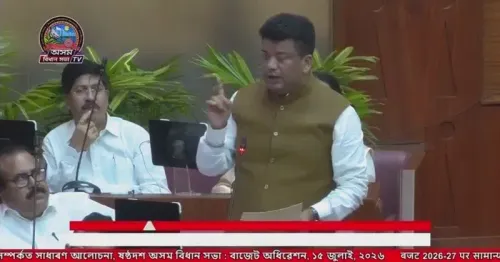
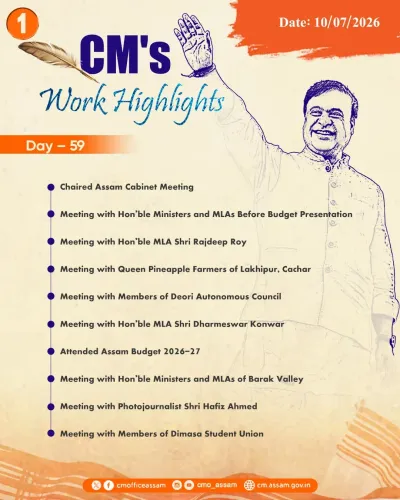
The Chief Minister's Office of Assam announced on Friday, 10 July 2026 that the state government has tabled six bills during the ongoing Budget Session of the Assam Legislative Assembly, targeting improvements in the business environment and tourism sector.
Context
The six bills were placed before the Assam Legislative Assembly as part of the state government's legislative agenda for the Budget Session. While the exact titles and individual provisions of each bill remain to be formally notified, the government has indicated their collective thrust is to reduce regulatory burdens on businesses and create a more enabling environment for tourism-related investment and operations.
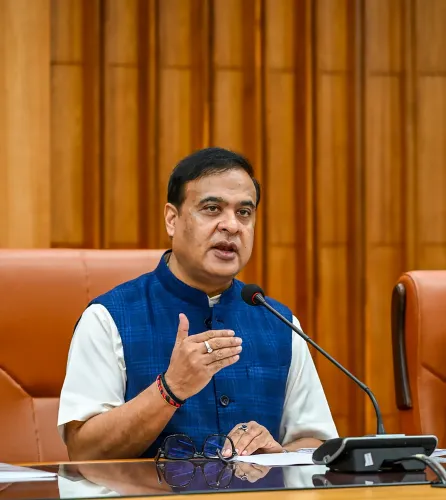
The move signals a renewed push by the Government of Assam, led by Chief Minister Himanta Biswa Sarma, to use the Budget Session not just for financial approvals but also as a vehicle for structural legislative reform.
Policy Backdrop
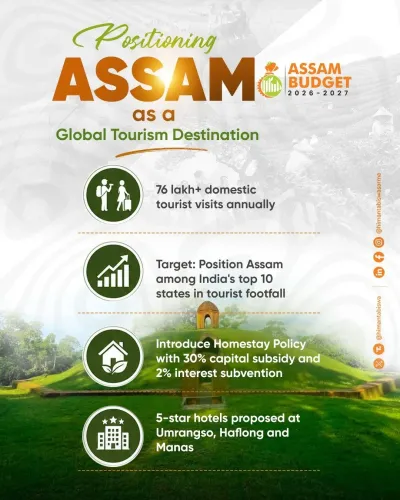
Assam's legislative drive builds on a series of earlier policy frameworks. The Assam Industrial Policy 2020 had set the foundation for improving the state's ease-of-doing-business rankings and attracting private capital into manufacturing and services. The Assam Tourism Policy 2017 similarly sought to develop hospitality infrastructure and position the state as a key destination under India's Act East Policy.
Successive budgets under the current BJP-led government have consistently allocated resources toward both industrial clusters and tourism projects, making this legislative package a natural extension of that multi-year strategy. Assam has incrementally worked to reduce procedural hurdles, leveraging its rich biodiversity, wildlife corridors, and cultural heritage as tourism assets.
The broader northeastern region has been pursuing coordinated strategies to improve business climate metrics and integrate with national infrastructure corridors, and Assam has positioned itself as the gateway state in this effort.
Stakeholders and Impact
The primary beneficiaries of the proposed legislation, if passed, would be business investors — both domestic and foreign — seeking to establish or expand operations in Assam, as well as tourism operators, hoteliers, and hospitality entrepreneurs looking for streamlined approvals and incentives.
Smaller entrepreneurs and micro, small, and medium enterprises in sectors such as agro-processing, handicrafts, and eco-tourism stand to gain from any reduction in compliance layers. State-level regulatory simplification also tends to improve investor confidence ahead of investment summits, which the current government has periodically hosted to attract capital to the region.
Local communities in tourism-rich districts — including those near Kaziranga, Majuli, and the Brahmaputra riverfront — could see downstream economic benefits if the tourism-focused bills translate into faster project clearances and infrastructure development.
What's Next
The immediate next step is the passage of the six bills by the Assam Legislative Assembly during the ongoing Budget Session. Following passage, the government will need to frame and notify the implementing rules for each statute before the legislation takes practical effect.
Analysts and industry bodies will watch closely for any accompanying announcements on single-window clearance mechanisms or dedicated investment facilitation cells that could operationalise the new legal framework on the ground. The effectiveness of the bills will ultimately be measured by their uptake among investors and tourism operators in the months following notification.
Point of View
While ease-of-doing-business improvements are essential for climbing national competitiveness indices. The real test, however, will come at the implementation stage — Assam's previous policy frameworks have sometimes struggled to translate into on-ground regulatory simplification. If backed by credible single-window mechanisms, this legislative package could meaningfully shift investor sentiment toward the state ahead of the next investment summit cycle.
NationPress
8 Oct 2026
Frequently Asked Questions
What bills did the Assam government table in the Budget Session 2026?
The Assam government tabled six bills during the Budget Session of the Assam Legislative Assembly on 10 July 2026, focused on easing the business environment and boosting tourism. The exact names and detailed provisions of each bill are yet to be formally notified.
What is the Assam Budget Session 2026 about?
The Assam Budget Session 2026 is the annual legislative session of the Assam Legislative Assembly where the state budget is presented and debated. In the July 2026 session, the government also used the opportunity to table six reform-oriented bills on business and tourism.
How is Assam trying to improve ease of doing business?
Assam has pursued ease-of-doing-business improvements through the Assam Industrial Policy 2020 and successive budgetary allocations. The six bills tabled in July 2026 represent the latest legislative step in reducing regulatory hurdles for investors and businesses in the state.
Who is the Chief Minister of Assam in 2026?
Himanta Biswa Sarma is the Chief Minister of Assam, having led the BJP government in the state since 2021. His administration has consistently prioritised economic reform, investment attraction, and tourism development as core policy goals.
What is Assam's tourism potential and policy?
Assam has significant tourism potential anchored by assets such as Kaziranga National Park, Majuli island, and the Brahmaputra river. The state's tourism development has been guided by the Assam Tourism Policy 2017, which sought to build infrastructure and align the state with India's Act East Policy framework.