Assam fixes eligibility and benefits for Nijut Moina, Nijut Babu schemes
Synopsis
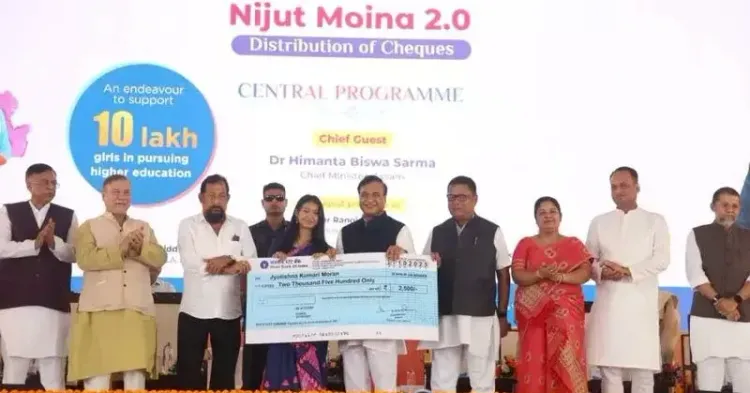
Assam has formalised the eligibility criteria and benefit structure for the Nijut Moina and Nijut Babu schemes, two state-funded welfare programmes targeting children and families. The announcement by the Chief Minister's Office on 10 July 2026 moves the initiatives toward active implementation under CM Himanta Biswa Sarma's administration.
Key Takeaways
The Chief Minister's Office of Assam announced on 10 July 2026 that eligibility and benefits have been set for the Nijut Moina and Nijut Babu schemes.
Nijut Moina targets daughters and Nijut Babu targets sons, reflecting a gender-inclusive welfare design.
The schemes are part of a broader series of state-funded direct-benefit initiatives launched by Assam since 2021 under CM Himanta Biswa Sarma .
Formalising eligibility criteria is a prerequisite for district-level enrolment and benefit disbursal to begin.
Enrolment windows and rollout schedules at the district level are yet to be officially notified.
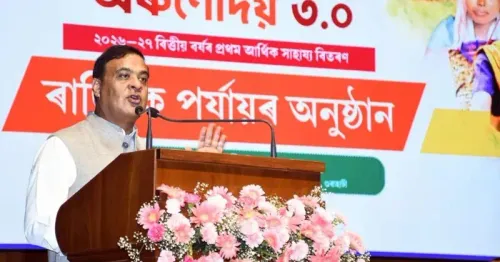
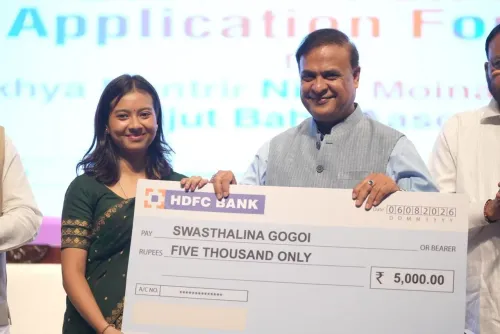
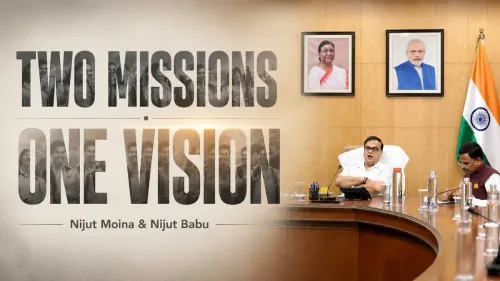
The Chief Minister's Office of Assam announced on Friday, 10 July 2026 that the state government has formalised the eligibility criteria and benefit structure for two flagship welfare schemes — Nijut Moina and Nijut Babu — marking a significant step in rolling out targeted support for families and children across the state.
Context
The post from the official CMO Assam account directed followers to a detailed report outlining the parameters set by the Government of Assam for both schemes. The formalisation of eligibility and benefits signals that the schemes are moving from policy design toward active implementation. Chief Minister Himanta Biswa Sarma, who has led the state administration since 2021, has made state-funded direct-benefit transfers a cornerstone of Assam's social welfare agenda.
Policy Backdrop
Since 2021, Assam has launched a series of state-level welfare initiatives focused on women, children, and low-income households, operating alongside and complementing central government programmes. The Nijut Moina and Nijut Babu schemes fit within this broader pattern of customised, state-driven benefit delivery. By setting formal eligibility thresholds and defined benefit amounts, the government aims to ensure targeted reach and minimise leakage in disbursement.
The naming convention of both schemes — Nijut Moina (meaning 'our beloved daughter' in Assamese) and Nijut Babu (meaning 'our beloved son') — reflects an intent to cover children across genders under a unified welfare umbrella. The dual-scheme structure underscores the state's push for gender-inclusive programming in its social sector spending.
Stakeholders and Impact
The primary beneficiaries are Assam families with children who meet the notified eligibility conditions. Setting clear criteria is expected to streamline enrolment and reduce ambiguity at the district and block levels, where implementation machinery will be responsible for verification and disbursal. Community-level workers, local bodies, and district administrations are key intermediaries in translating the policy into on-ground delivery.
For households in rural and semi-urban Assam, direct benefit schemes of this nature can meaningfully supplement income and reduce out-of-pocket expenditure on children's education and nutrition — two areas that state welfare programmes in the Northeast have historically targeted.
What's Next
The immediate priority will be the official notification of enrolment windows and district-level rollout schedules, which will determine how quickly eligible families can begin accessing benefits. Observers will watch for gazette notifications and departmental circulars that translate the announced eligibility framework into an operational enrolment process. The pace of district-level rollout will be a key indicator of the administration's capacity to convert policy announcements into measurable delivery outcomes.
Point of View
Gender-balanced welfare narrative ahead of potential enrolment drives. The dual-scheme structure allows the administration to signal inclusivity while keeping delivery pipelines administratively distinct. Within the broader arc of state-level welfare customisation that has defined the Sarma government's social policy since 2021, this formalisation step is less a new initiative and more a maturation of existing intent into operational readiness. The real test will be how swiftly district machinery can translate notified criteria into verified enrolments at scale.
NationPress
8 Oct 2026
Frequently Asked Questions
What is the Nijut Moina scheme in Assam?
Nijut Moina is a state welfare scheme by the Government of Assam aimed at supporting daughters in eligible families. The scheme's name translates to 'our beloved daughter' in Assamese, and the government formalised its eligibility criteria and benefit structure in July 2026 .
What is the Nijut Babu scheme in Assam?
Nijut Babu is a companion welfare scheme targeting sons in eligible Assam families, with the name meaning 'our beloved son' in Assamese. It was announced alongside Nijut Moina as part of a gender-inclusive direct-benefit initiative by the Government of Assam .
Who is eligible for the Nijut Moina and Nijut Babu schemes?
The Government of Assam announced in July 2026 that formal eligibility criteria have been set for both schemes. Specific income thresholds and other conditions are expected to be detailed in official departmental notifications and gazette circulars.
When will enrolment for Nijut Moina and Nijut Babu begin?
As of 10 July 2026 , official enrolment windows and district-level rollout schedules had not yet been notified. The formalisation of eligibility and benefits is a prerequisite step before enrolment drives can commence.
How do Nijut Moina and Nijut Babu fit into Assam's welfare agenda?
Both schemes are part of a series of state-funded direct-benefit programmes launched by Assam since 2021 under Chief Minister Himanta Biswa Sarma , focused on women, children, and low-income households alongside central government programmes.