CM Mohan Yadav Chairs State-Level Guest Scholar Conference in Bhopal
Synopsis
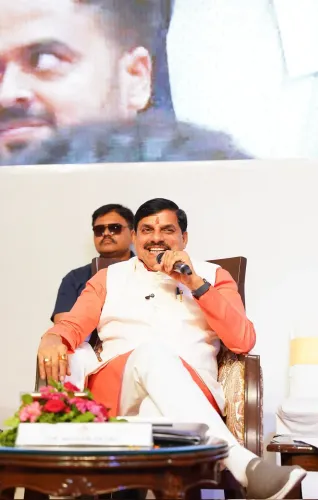
Chief Minister Dr. Mohan Yadav presided over a state-level conference of guest scholars in Bhopal on 10 July 2026, spotlighting the Atithi Vidwan scheme that deploys contractual lecturers to address faculty shortages in Madhya Pradesh government colleges.
Key Takeaways
The Chief Minister's Office of Madhya Pradesh announced a state-level Atithi Vidwan (guest scholar) conference held in Bhopal on 10 July 2026 .
Mohan Yadav presided over the event, signalling direct political attention to guest faculty welfare.
The Atithi Vidwan scheme engages contractual guest lecturers to fill faculty vacancies in government colleges across Madhya Pradesh.
Madhya Pradesh has been implementing NEP 2020 faculty augmentation measures since 2021, with guest lecturers forming a key part of that strategy.
Follow-up policy action on honoraria, regularisation, or recruitment calendars is expected in the coming weeks.
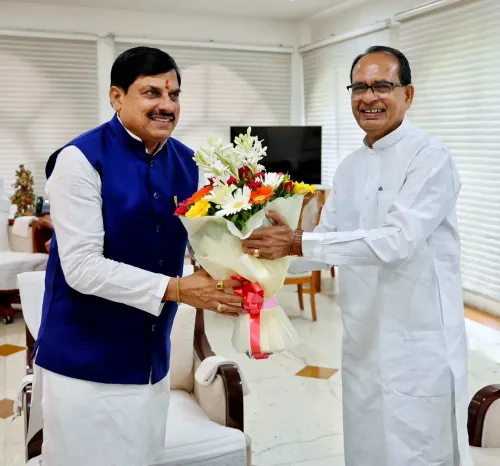
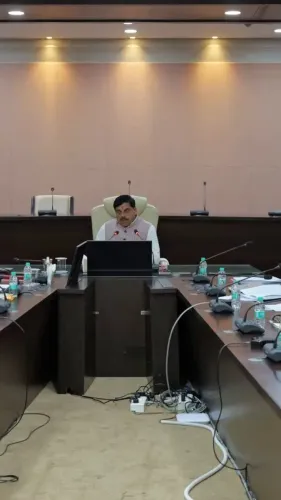
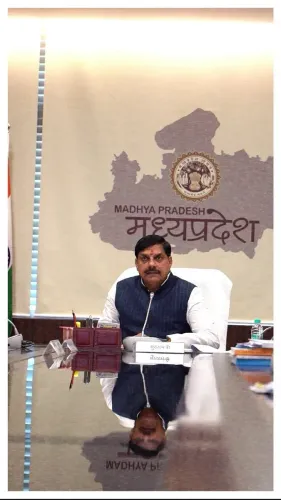
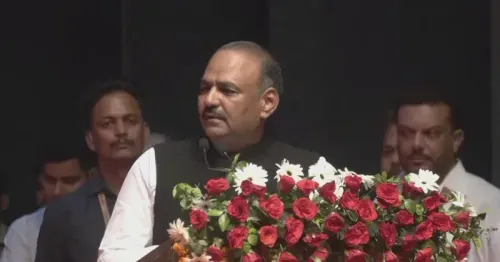
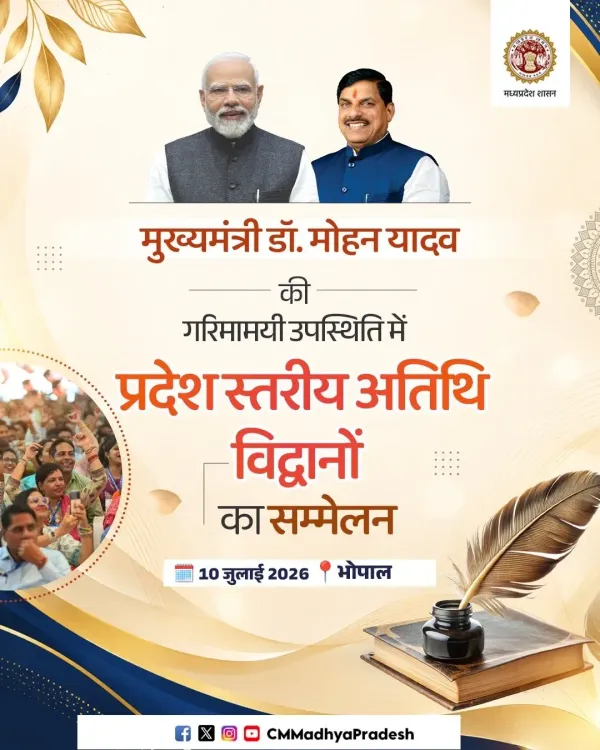
The Chief Minister's Office of Madhya Pradesh announced on 10 July 2026 that Chief Minister Dr. Mohan Yadav presided over a state-level conference of guest scholars (atithi vidwan) in Bhopal, bringing together guest lecturers from across the state under the government's higher education outreach.
Context
The conference, described as a 'garimamay upasthiti' (dignified presence) of the Chief Minister, convened guest scholars employed under Madhya Pradesh's Atithi Vidwan scheme — a programme designed to address chronic faculty shortages in government colleges by engaging qualified guest lecturers on a contractual basis. The event was held at the state capital and was flagged by the official Chief Minister's Office account on X.
Guest lecturers under this scheme fill critical teaching gaps in undergraduate and postgraduate programmes across hundreds of government-affiliated colleges in the state. Their working conditions, honoraria, and long-term employment prospects have been recurring concerns raised by faculty associations.
Policy Backdrop
Madhya Pradesh has been implementing components of the National Education Policy (NEP) 2020 since 2021, with faculty augmentation identified as a priority area. The Department of Higher Education, Madhya Pradesh has periodically reviewed guest faculty arrangements as part of broader efforts to meet accreditation standards and improve teaching quality.
State governments across India have long relied on guest or contractual lecturers to sustain college operations amid delayed permanent recruitment cycles. Madhya Pradesh is no exception, and conferences of this nature have historically served as platforms to communicate policy directions, address grievances, and signal administrative intent toward this workforce.
Dr. Mohan Yadav, who assumed office as Chief Minister in December 2023, has maintained higher education as a visible portfolio given his own academic background. His direct participation in a state-level gathering of guest scholars signals political attention to a constituency that spans thousands of educators employed across the state.
Stakeholders and Impact
The primary stakeholders are the guest lecturers themselves — a large, often precariously employed group whose livelihoods depend on semester-by-semester renewals. Students in government colleges, who rely on these educators for continuity of instruction, are equally affected by any policy shifts emerging from such a conference.
Higher education institutions, particularly those seeking reaccreditation under NAAC norms, also have a direct stake: faculty strength and qualifications are weighted heavily in assessment frameworks. A state-level review of guest scholar arrangements could have downstream effects on institutional rankings and funding eligibility.
What's Next
Observers will watch for follow-up orders from the state government on guest faculty honoraria revisions, regularisation pathways, or updated recruitment calendars. Any recommendations emerging from the 10 July 2026 conference could be incorporated into the 2026-27 higher education budget allocations or translated into executive orders by the Department of Higher Education. The Chief Minister's personal presence at the event raises expectations among guest scholar associations for concrete policy announcements in the near term.
Point of View
Organised workforce whose grievances over pay and job security have periodically spilled into public protest. By convening a state-level event and lending it his personal imprimatur, Yadav is both acknowledging the political weight of this constituency and creating an expectation of policy delivery. The move fits a broader pattern in Madhya Pradesh of using high-visibility convenings to precede administrative announcements, particularly in the education sector. Whether the conference translates into durable improvements in guest faculty conditions — or remains a gesture — will determine its lasting significance.
NationPress
10 Jul 2026
Frequently Asked Questions
What is the Atithi Vidwan scheme in Madhya Pradesh?
The Atithi Vidwan scheme is a Madhya Pradesh government programme that engages qualified guest lecturers on a contractual basis to address faculty shortages in government colleges and universities across the state.
Why did CM Mohan Yadav attend the guest scholar conference in Bhopal?
Chief Minister Dr. Mohan Yadav presided over the state-level Atithi Vidwan conference on 10 July 2026 in Bhopal, as announced by the Chief Minister's Office, to engage with guest scholars and signal the government's attention to higher education faculty issues.
What is the status of guest lecturers in Madhya Pradesh government colleges?
Guest lecturers under the Atithi Vidwan scheme are employed on a contractual, semester-by-semester basis to fill teaching vacancies. Their honoraria, job security, and regularisation prospects have been ongoing concerns for faculty associations.
How does Madhya Pradesh's guest faculty policy relate to NEP 2020?
Madhya Pradesh has been implementing the National Education Policy 2020 since 2021, with faculty augmentation — including the use of guest lecturers — identified as a key measure to improve teaching quality and meet accreditation standards.
What policy changes could follow the 10 July 2026 guest scholar conference?
Possible outcomes include revised honoraria for guest faculty, updated recruitment calendars, regularisation pathways, or integration of conference recommendations into the 2026-27 state higher education budget.