Iran FM Araghchi Visits Pakistan, Oman & Russia Amid US War Threat
Synopsis
Iranian Foreign Minister Araghchi has launched an emergency diplomatic tour to Pakistan, Oman, and Russia as US President Trump threatens to strike the remaining 25% of Iran's military targets. With the Strait of Hormuz closed and $500 million daily in oil revenue blocked, Tehran is racing to build allied support before talks collapse entirely.
Key Takeaways
Iranian Foreign Minister Seyed Abbas Araghchi began a diplomatic tour to Pakistan, Oman, and Russia on Friday night, April 25, 2025 .
US President Donald Trump threatened to strike the remaining 25 per cent of Iran's military targets if negotiations fail, after claiming 75 per cent of targets were already hit.
The first round of US-Iran talks in Islamabad on April 11–12 collapsed after 21 hours ; a second round never took place.
Trump stated the US controls the Strait of Hormuz , blocking $500 million per day in Iranian oil revenue as economic leverage.
Araghchi held a phone call with Pakistan's Deputy PM Ishaq Dar before departing, signalling Islamabad's growing role as a diplomatic intermediary.
Oman and Russia are seen as critical allies for Tehran — Muscat as a potential US back-channel and Moscow as a strategic and material lifeline.
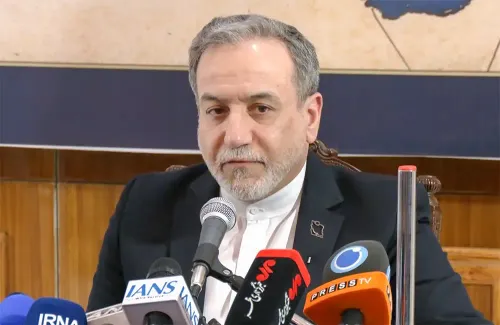
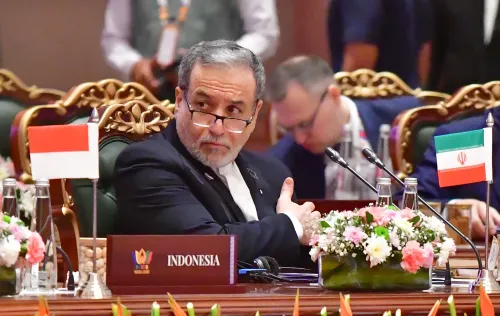
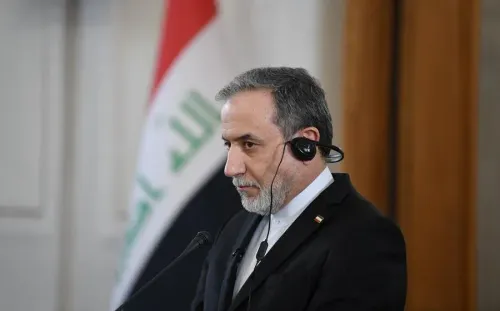
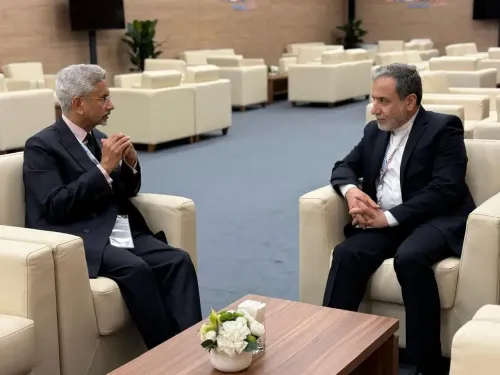
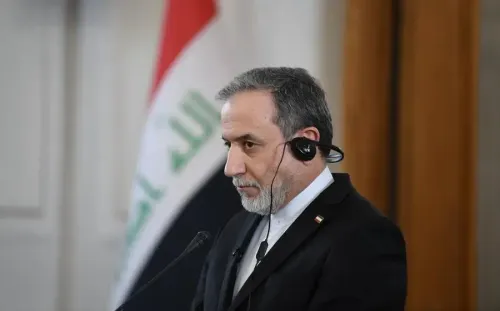
Iranian Foreign Minister Seyed Abbas Araghchi departed on a high-stakes diplomatic tour to Pakistan, Oman, and Russia beginning Friday night, April 25, 2025, as Tehran scrambles to shore up regional alliances amid renewed threats of US military action. The visits are aimed at holding bilateral consultations on fast-evolving developments in West Asia and the broader regional security landscape, according to Iran's state-run Islamic Republic News Agency (IRNA).
Araghchi's Diplomatic Blitz: What's on the Agenda
The three-nation tour signals Tehran's urgent need to build diplomatic support as the fragile pause in hostilities with the United States remains under severe strain. Araghchi is expected to discuss the ongoing ceasefire situation, economic pressure on Iran, and the status of stalled nuclear-adjacent negotiations with key regional and global partners.
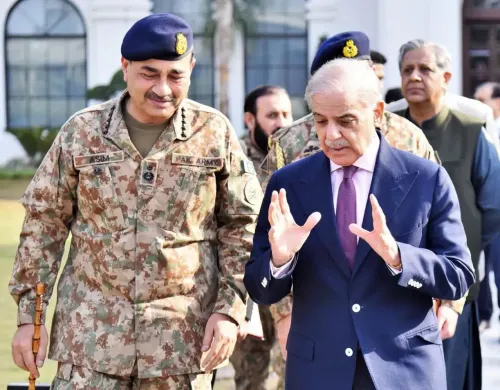
Earlier on Friday, before departing, Araghchi held a telephonic conversation with Pakistan's Deputy Prime Minister Ishaq Dar, focusing on regional developments and the ceasefire framework. The call served as a precursor to the in-person visit to Islamabad, underlining the strategic importance Tehran places on its relationship with Islamabad at this critical juncture.
Trump's Military Ultimatum Shadows Iran Diplomacy
US President Donald Trump has intensified pressure on Tehran, signalling that Washington could resume full-scale military strikes if negotiations collapse. Trump claimed the earlier US-led campaign had already "totally defeated" Iran's military within weeks, targeting approximately 75 per cent of planned objectives — including significant damage to Iran's naval, air, and missile capabilities.
"I could make a deal right now… but I want to have an everlasting [deal]," Trump said, warning he would "finish it up militarily with the other 25 per cent of the targets" if Tehran refuses to come to the table. The remarks represent one of the most direct ultimatums issued by a sitting US President to Iran in recent history.
Critically, Trump also stated that Washington retains "total control" over the strategically vital Strait of Hormuz — effectively keeping it closed to strangle Iran's oil revenues. "If we open the strait, that means they're going to make $500 million a day. I don't want them to make $500 million a day until they settle this thing," he said, revealing the economic warfare dimension of the standoff.
Collapsed Talks and Iran's Diplomatic Isolation
The backdrop to Araghchi's tour is a series of failed diplomatic engagements. The first round of US-Iran talks, held in Islamabad on April 11–12, 2025, collapsed after a gruelling 21 hours of negotiations without a breakthrough. A second round never materialised after Iran refused to commit to further participation.
The choice of Islamabad as the original negotiation venue — and now as Araghchi's first stop — underscores Pakistan's emerging role as a back-channel facilitator between Tehran and Washington. This is a notable geopolitical shift, given Pakistan's historically complex balancing act between its US security partnerships and its deep ties with Iran.
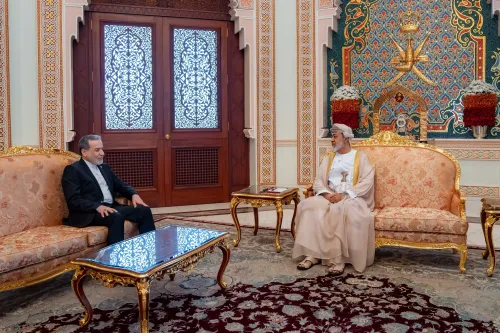
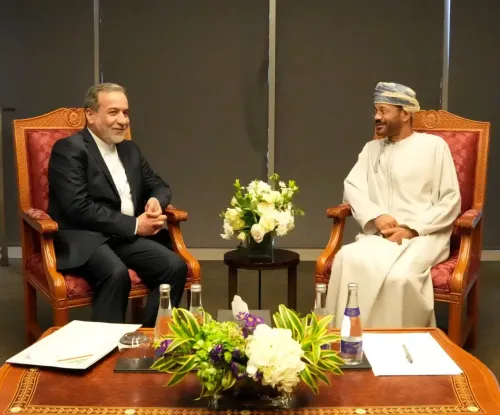
Oman, a traditional mediator in US-Iran disputes, is another critical stop. Muscat has historically served as a quiet diplomatic conduit — most famously facilitating the back-channel talks that led to the 2015 Joint Comprehensive Plan of Action (JCPOA). Araghchi's visit suggests Tehran may be exploring whether Oman can once again play a bridging role.
Russia's Role: Strategic Lifeline for Tehran
Moscow remains one of Tehran's most important strategic partners, particularly as Iran faces mounting economic and military pressure. Russia's continued diplomatic and material support has been a key factor in Iran's resilience. Araghchi's visit to Russia is expected to focus on deepening bilateral cooperation and coordinating positions ahead of any potential multilateral negotiations.
Notably, Trump himself acknowledged the instability within Iran's leadership, stating: "They don't even know who is leading the country… they're fighting like cats and dogs for who's going to control." If accurate, this internal fragmentation makes Araghchi's diplomatic outreach even more urgent — as Tehran needs external allies to project stability it may not fully possess internally.
Strategic Implications for India and the Region
For India, the escalating US-Iran confrontation carries significant consequences. India is a major importer of Iranian oil and has deep interests in the Chabahar Port project — a strategic gateway to Afghanistan and Central Asia. A prolonged closure of the Strait of Hormuz would severely disrupt India's energy supply chains and push global crude prices sharply higher.
Furthermore, Pakistan's role as a mediator and now a diplomatic host adds another layer of complexity to India's regional calculus. New Delhi will be closely monitoring the outcomes of Araghchi's visits, particularly any signals about a potential resumption of US-Iran talks or shifts in Pakistan's strategic alignments.
As Araghchi's diplomatic tour unfolds over the coming days, the international community will be watching for any breakthrough signals — particularly from Oman — that could revive stalled negotiations and pull the region back from the brink of a wider conflict.
Point of View
Suggesting Pakistan has been quietly elevated to a mediator role that India — with far more at stake in the region — has been unable or unwilling to claim. Meanwhile, Trump's casual admission that Iran's leadership doesn't know who's in charge is either intelligence-backed or a calculated destabilisation narrative — either way, it signals Washington believes it holds all the cards. India must urgently assess its exposure: a prolonged Hormuz closure and a fractured Iran could redraw the entire energy and strategic architecture of South Asia.
NationPress
5 Oct 2026
Frequently Asked Questions
Why is Iran's Foreign Minister Araghchi visiting Pakistan, Oman, and Russia?
Iranian Foreign Minister Seyed Abbas Araghchi is visiting Pakistan, Oman, and Russia to hold bilateral talks on regional security developments and the ongoing West Asia conflict. The tour comes amid renewed US military threats and the collapse of earlier US-Iran negotiations in Islamabad.
What happened at the US-Iran talks in Islamabad in April 2025?
The first round of US-Iran talks held in Islamabad on April 11–12, 2025, collapsed after 21 hours of negotiations without reaching an agreement. A second round was never scheduled after Iran refused to commit to further participation.
What did Trump say about striking Iran militarily?
US President Trump warned he would strike the remaining 25 percent of Iran's military targets if Tehran refuses to agree to a deal. He claimed the earlier US campaign had already destroyed 75 percent of targets, including Iran's naval, air, and missile capabilities.
Why has the Strait of Hormuz been closed and what is the impact?
The US has effectively closed the Strait of Hormuz as an economic pressure tactic against Iran, blocking an estimated $500 million per day in Iranian oil revenues. The closure also disrupts global energy markets and significantly impacts oil-importing nations like India.
What role is Oman playing in the US-Iran conflict?
Oman has historically served as a back-channel diplomatic mediator between the US and Iran, most notably facilitating talks that led to the 2015 JCPOA nuclear deal. Araghchi's visit to Muscat suggests Tehran is exploring whether Oman can once again broker communication with Washington.