Pakistan's US-Iran mediation bid collapses as Oman steps in: Report
Synopsis
Pakistan spent over a week preparing for a high-stakes US-Iran mediation — only to be bypassed for Oman within 72 hours. With Trump cancelling his envoys' trip and Iran's foreign minister quietly shifting to Muscat, Islamabad's diplomatic ambitions have collapsed into what one analyst calls a 'failing public-relations exercise.'
Key Takeaways
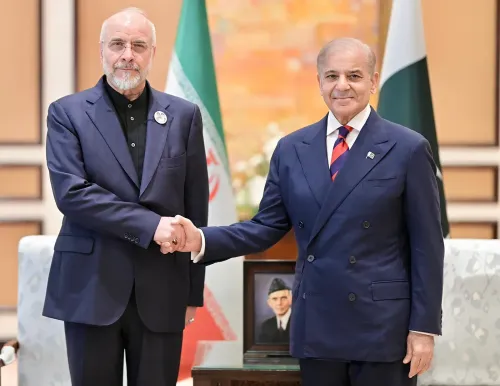
Pakistan's attempt to mediate between the US and Iran collapsed within 72 hours , according to a report by Dimitra Staikou in EuropaWire .
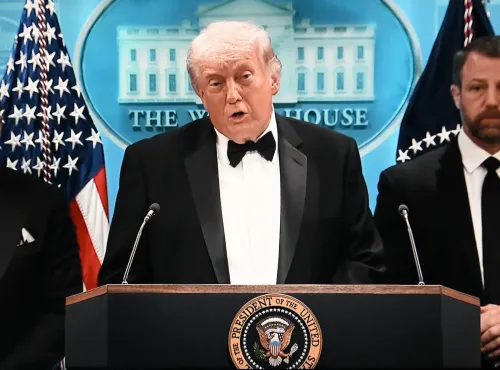
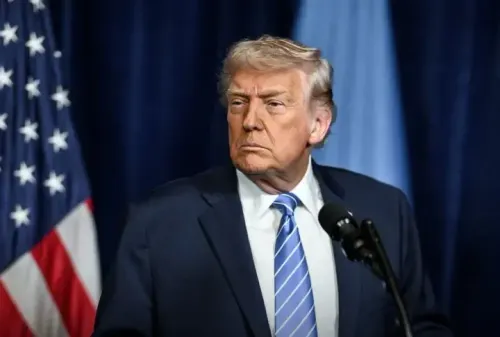
President Donald Trump cancelled envoys Steve Witkoff and Jared Kushner's planned visit to Islamabad , preferring telephone diplomacy.
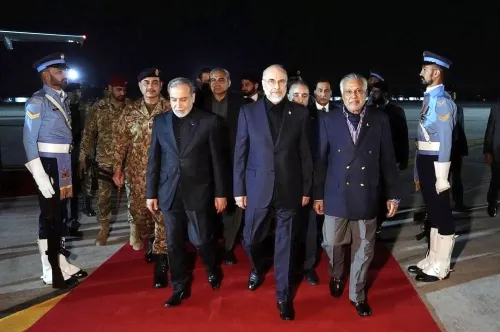
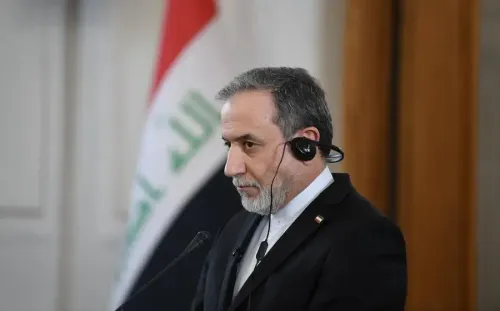
Iranian Foreign Minister Abbas Araghchi quietly shifted from Islamabad to Muscat , meeting Oman's Sultan Haitham bin Tariq at Al-Baraka Palace on 26 April .
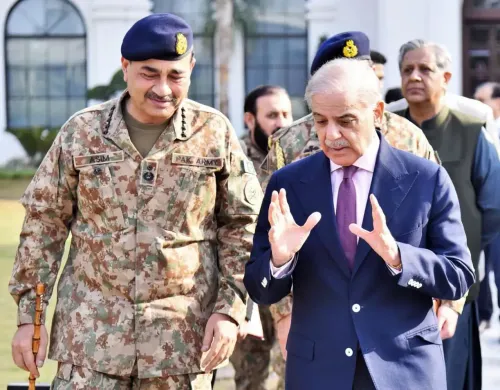
Islamabad had been under near-total lockdown for over a week, with more than 10,000 security personnel deployed and the Red Zone sealed.
Two US C-17 aircraft carrying security equipment flew out of Nur Khan Airbase after the talks fell through.
Pakistan's bid to position itself as the pivotal mediator between the United States and Iran unravelled within days of its launch, exposing deep questions about diplomatic credibility and trust, according to a report published on Tuesday, 28 April. The collapse, analysed in a piece for EuropaWire by Dimitra Staikou, a Greek lawyer, writer, and journalist, suggests that Islamabad was never the credible neutral ground its government had sought to project.
How the Mediation Collapsed
The diplomatic groundwork that Islamabad had spent over a week constructing came apart in fewer than 72 hours, according to Staikou. US President Donald Trump called off the planned visit of envoys Steve Witkoff and Jared Kushner to Pakistan, citing a preference for telephone diplomacy over what he described as a sixteen-hour flight to Islamabad. Trump also publicly characterised the Iranian leadership as
Point of View
Discreet back-channel engagement — Pakistan has not. Islamabad's decision to impose a capital-wide lockdown, seal the Red Zone, and deploy over 10,000 security personnel for talks that neither principal ultimately committed to in person reveals a fundamental miscalculation. The reputational cost extends beyond this episode: a state that visibly over-invests in the optics of diplomacy while underdelivering on its substance signals unreliability to future interlocutors on all sides.
NationPress
2 Oct 2026
Frequently Asked Questions
Why did Pakistan's mediation between the US and Iran fail?
Pakistan's mediation attempt collapsed within 72 hours because the US cancelled its envoys' in-person visit and Iran's foreign minister shifted to Muscat to engage Oman instead. According to analyst Dimitra Staikou, the failure reflects a fundamental trust deficit — Tehran trusts Oman in a way it does not trust Pakistan.
Where did Iran's foreign minister go instead of staying in Islamabad?
Iranian Foreign Minister Abbas Araghchi departed Islamabad for Muscat, where he met Oman's Sultan Haitham bin Tariq at Al-Baraka Palace on 26 April. The shift underscored that Oman, not Pakistan, holds the diplomatic channel that matters for US-Iran negotiations.
What did President Trump say about the planned Islamabad visit?
President Donald Trump called off the planned trip by envoys Steve Witkoff and Jared Kushner, describing the travel to Islamabad as excessive and referring to the Iranian leadership as fractured. He indicated a preference for telephone diplomacy over a sixteen-hour flight.
What was the impact on Islamabad during the failed talks?
Islamabad was placed under a near-total lockdown for over a week, with the Red Zone sealed, shops in the Blue Area deserted, public transport suspended, and more than 10,000 security personnel deployed. After the talks collapsed, two US C-17 aircraft carrying security equipment quietly flew out of Nur Khan Airbase.
Who wrote the report analysing Pakistan's failed mediation?
The analysis was written by Dimitra Staikou, a Greek lawyer, writer, and journalist, and published in EuropaWire. She argued that Pakistan reduced a serious mediation issue to a failing public-relations exercise, lacking the decades-earned trust that credible mediation requires.