Trump Sends Kushner, Envoy Witkoff to Pakistan for Iran Talks
Synopsis
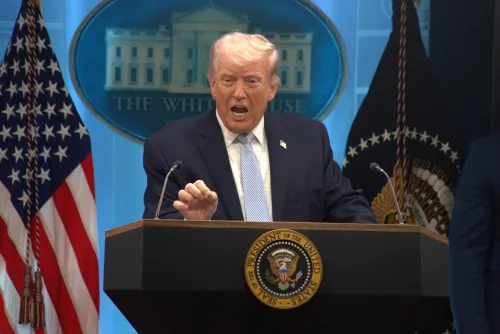
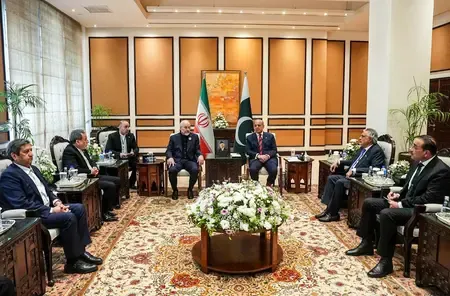
President Trump is sending Jared Kushner and Steve Witkoff to Pakistan on April 25 for direct in-person talks with Iranian representatives — a major diplomatic escalation signaling Tehran may be ready to negotiate on its nuclear program for the first time in years.
Key Takeaways
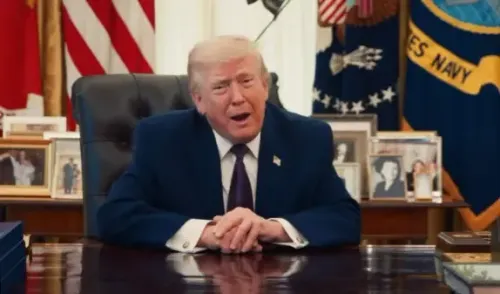
President Donald Trump has ordered Special Envoy Steve Witkoff and Jared Kushner to travel to Islamabad, Pakistan on April 25, 2025 for direct talks with Iranian representatives.
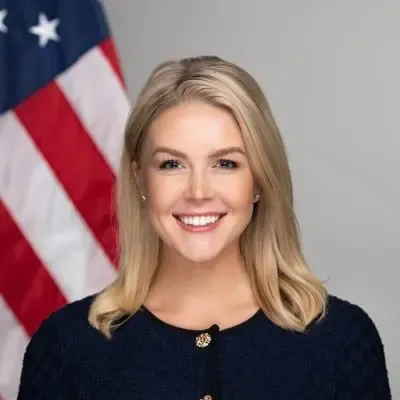
White House Press Secretary Karoline Leavitt confirmed that Iran specifically requested in-person dialogue, signaling a shift in Tehran's diplomatic posture.
The Trump administration cited "progress from the Iranian side in the last couple of days" as the trigger for the urgent envoy mission, though no formal Iranian proposal was confirmed.
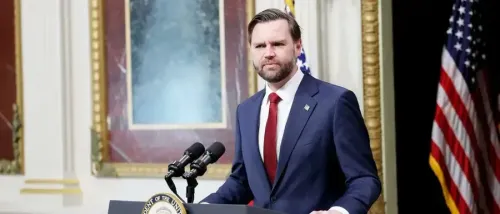
Vice President JD Vance is on standby in Washington and may travel to Pakistan if deemed necessary by the administration.
The Israel-Lebanon ceasefire was simultaneously extended, with the White House calling it a major diplomatic achievement of the Trump team.
An investigation into the Federal Reserve's financial management has been transferred to the Inspector General but remains active, Leavitt confirmed.
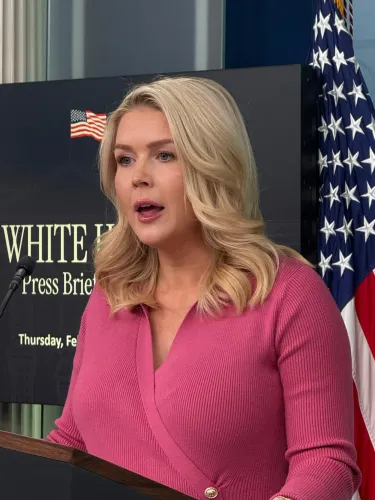
Washington, April 24 (NationPress) — US President Donald Trump is dispatching two senior special envoys — Jared Kushner and Steve Witkoff — to Islamabad, Pakistan on April 25 to hold direct, in-person consultations with Iranian representatives, signaling a notable shift in the trajectory of US-Iran nuclear diplomacy. The announcement was made by White House Press Secretary Karoline Leavitt, who cited visible progress from Tehran in recent days as the catalyst for the urgent outreach.
Leavitt Announces the Mission
Press Secretary Karoline Leavitt confirmed on Thursday, April 24 that President Trump had personally decided to send Special Envoy Steve Witkoff and Jared Kushner back to Islamabad after receiving indications that Iran was ready to engage face-to-face. "The Iranians wanna talk — they wanna talk in person," Leavitt stated during a White House briefing.
"So Steve and Jared will be heading to Pakistan tomorrow to hear the Iranians out," she added, emphasizing that President Trump remains "always willing to give diplomacy a chance."
Leavitt noted that the Trump administration has "seen some progress from the Iranian side in the last couple of days," though she stopped short of confirming whether Tehran had submitted a formal or unified written proposal ahead of the scheduled talks.
Senior US Leadership on Standby in Washington
President Trump, Vice President JD Vance, and Secretary of State Marco Rubio will remain in Washington while awaiting updates from the Islamabad delegation. However, Leavitt indicated that Vice President Vance is "on standby" and prepared to travel to Pakistan personally "if we feel it's a necessary use of this time."
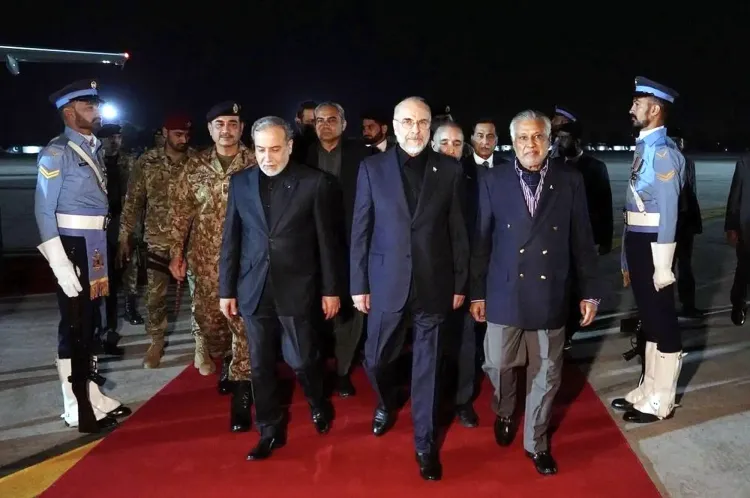
The decision to use Pakistan as the venue for these talks is strategically significant. Islamabad has historically maintained diplomatic channels with both Washington and Tehran, making it a neutral and accessible meeting ground for sensitive back-channel negotiations on Iran's nuclear program.
Broader Diplomatic Context: Israel-Lebanon Ceasefire Extended
The Iran diplomacy announcement came alongside other significant foreign policy developments. Leavitt confirmed the extension of the Israel-Lebanon ceasefire, describing it as "another win for the world and for the United States" and direct evidence of President Trump and his team "doing a tremendous job at negotiating for peace all across the globe."
"We're very grateful to both Israel and Lebanon for choosing to work together and continuing these conversations," Leavitt said, expressing hope that leaders from both nations could eventually be hosted at the White House in Washington.
The dual diplomatic push — on both the Iran nuclear file and the Middle East ceasefire — reflects the Trump administration's broader strategy of aggressive personal diplomacy, leveraging direct envoy missions over traditional multilateral frameworks like the JCPOA structure.
Federal Reserve Investigation Transferred, Not Dropped
On the domestic front, Leavitt addressed questions about the administration's scrutiny of the Federal Reserve's financial management practices. She clarified that the ongoing investigation has been transferred to a different authority — specifically the Inspector General — but has not been abandoned. "The investigation still continues. It's just under a different authority," she said.
What This Means for US-Iran Nuclear Negotiations
The dispatch of Kushner and Witkoff to Pakistan marks a potentially pivotal moment in the long-stalled effort to constrain Iran's nuclear ambitions. Since the Trump administration withdrew from the Joint Comprehensive Plan of Action (JCPOA) in 2018 during Trump's first term, diplomatic engagement between Washington and Tehran has been fragmented and largely indirect.
The current round of talks, if substantive, could lay groundwork for a new bilateral or multilateral agreement — one that the Trump team would frame as superior to the Obama-era nuclear deal. Analysts note that Iran's willingness to meet in person suggests internal pressure from sanctions and economic strain may be pushing Tehran toward a negotiated off-ramp.
Notably, Jared Kushner's involvement is particularly significant — his role in brokering the Abraham Accords during Trump's first term established him as a trusted back-channel architect. His return to high-stakes diplomacy signals that Trump is treating these Iran talks with considerable seriousness.
The coming days will be closely watched by global powers including Russia, China, Israel, and Gulf states — all of whom have significant stakes in the outcome of any US-Iran nuclear framework. Whether the Islamabad meetings produce a breakthrough or simply open a channel for further dialogue will shape the geopolitical landscape of the Middle East for years to come.
Point of View
Outside the multilateral JCPOA framework it dismantled in 2018. The irony is sharp: the same administration that created maximum pressure on Tehran is now the one Iran is choosing to talk to in person — suggesting sanctions have done their work. What the mainstream narrative misses is Pakistan's quiet but critical role as a diplomatic bridge between adversaries, a role Islamabad is leveraging at a moment when its own relationship with Washington needs reinforcement. If these talks succeed, Trump will claim a historic win; if they fail, the path to military escalation in the Middle East becomes significantly shorter.
NationPress
22 Sept 2026
Frequently Asked Questions
Why is the US sending envoys to Pakistan to talk with Iran?
The US is using Pakistan as a neutral venue for direct in-person talks with Iranian representatives because Islamabad maintains diplomatic ties with both Washington and Tehran. White House Press Secretary Karoline Leavitt cited recent progress from the Iranian side as the reason for the urgent envoy dispatch on April 25.
Who are the US special envoys going to Pakistan for Iran talks?
President Trump has dispatched Special Envoy Steve Witkoff and Jared Kushner to Islamabad, Pakistan for the talks. Both are senior figures in Trump's diplomatic inner circle, with Kushner having previously brokered the Abraham Accords during Trump's first term.
What is the current status of US-Iran nuclear negotiations in 2025?
US-Iran nuclear diplomacy has been largely stalled since Trump withdrew from the JCPOA in 2018. The April 25 Islamabad meeting represents one of the most direct engagement efforts in years, with the White House noting visible progress from Tehran in recent days.
Is Vice President JD Vance traveling to Pakistan for Iran talks?
Vice President JD Vance is currently on standby in Washington and has not yet traveled to Pakistan. Leavitt stated he is prepared to fly to Islamabad if the situation warrants his direct involvement.
What other diplomatic developments did the White House announce alongside the Iran talks?
The White House also confirmed an extension of the Israel-Lebanon ceasefire, which Press Secretary Leavitt described as another diplomatic win for the Trump administration. She also clarified that an investigation into the Federal Reserve's financial management has been transferred to the Inspector General but remains ongoing.