Will US–Iran Discussions in Oman Lead to 'Zero Nuclear Capability'?
Synopsis
As the U.S. prepares for strategic talks with Iran in Oman, President Trump's administration emphasizes a firm stance on zero nuclear capability. The shift from Turkey highlights a diplomatic strategy aimed at resolving long-standing tensions. Will this engagement lead to a breakthrough or further complications in U.S.-Iran relations?
Key Takeaways
U.S. talks with Iran set to occur in Oman.
Trump's administration demands zero nuclear capability from Iran.
Oman's role as a diplomatic channel has historical significance.
Negotiations reflect a blend of diplomacy and military readiness.
Key topics include nuclear programs, sanctions, and regional security.
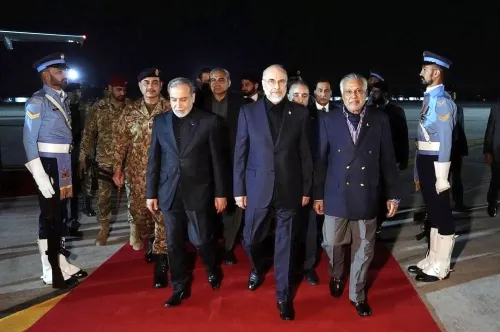
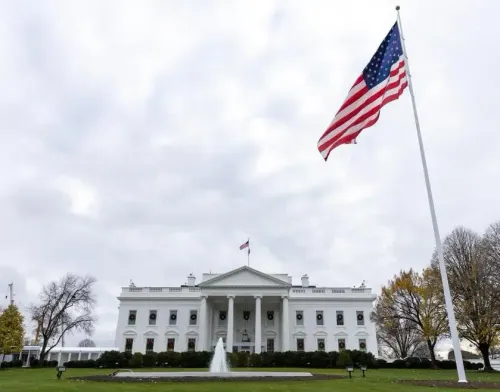
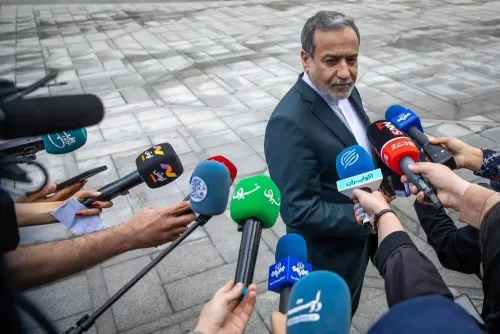
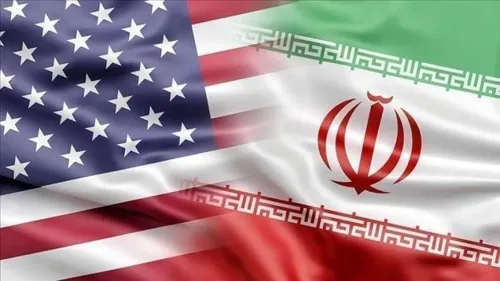
Washington, Feb 6 (NationPress) The White House announced that US discussions with Iran are scheduled to be held in Oman, with President Donald Trump’s administration actively pursuing a diplomatic route while emphasizing that Tehran must agree to a state of zero nuclear capability.
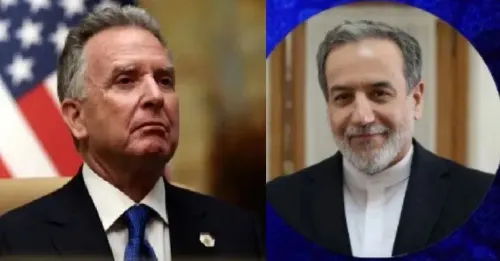
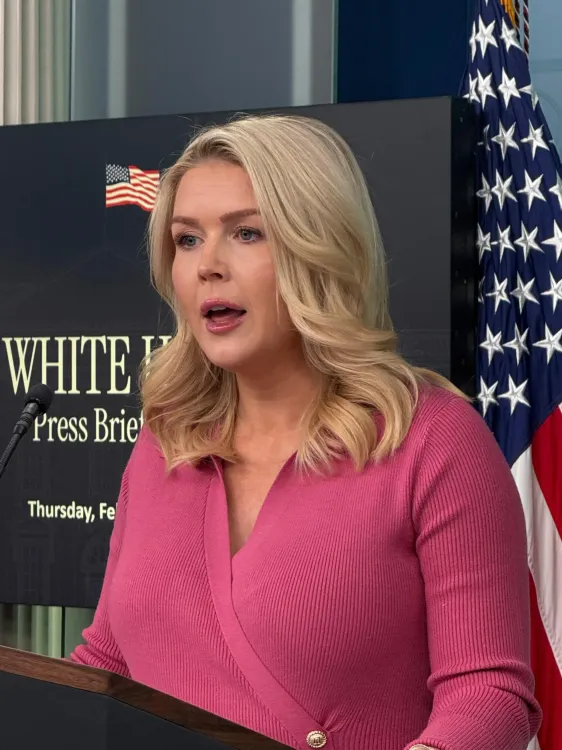
Press Secretary Karoline Leavitt confirmed that Special Envoy Steve Witkoff and Jared Kushner “will be heading to Oman for these discussions tomorrow,” following a reporter's inquiry about the anticipated talks initially being set in Turkey before the location was changed.
Leavitt did not elaborate on the reasons for the venue switch but presented it as part of the broader strategy of the administration. “Diplomacy is always the president's first choice when engaging with nations globally, whether friends or foes,” she stated.
When questioned about the agenda, Leavitt referred to Trump’s clear demands. “We are looking towards diplomacy ahead,” she noted. “The president has been quite vocal about his expectations from the Iranian regime. A zero nuclear capability is non-negotiable, and he aims to see if a deal can be reached.”
Leavitt also issued a caution as negotiations commence. “As these talks unfold, I remind the Iranian regime that the president has numerous options available beyond diplomacy, as he commands the most formidable military force in history,” she added.
The comments from the briefing came as the White House aimed to balance a readiness for negotiations with a strong stance on nuclear limitations, with Leavitt mentioning Trump was “waiting for an update” from his representatives post-Oman discussions.
No potential concessions or timelines were previewed. Instead, she emphasized that the president’s primary inclination is towards diplomacy — but not at any price. “Engaging in diplomacy is always on the table for the president,” she stated regarding another foreign policy inquiry.
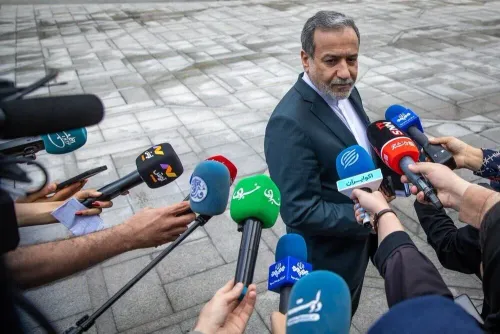
The US and Iran have experienced cycles of direct and indirect diplomacy for several years, often engaging through intermediaries and third-party locations in the Gulf region. The fundamental disagreements have been around Iran's nuclear initiatives, relief from sanctions, and regional security matters.
Oman has historically acted as a discreet diplomatic link between Washington and Tehran, facilitating or hosting back-channel communications even when formal negotiations were at a standstill elsewhere.
Point of View
The U.S.-Iran discussions scheduled in Oman represent a crucial moment. The insistence on zero nuclear capability reflects not only the seriousness of the negotiations but also the administration's commitment to addressing regional security issues. As we await outcomes, it is essential to recognize the delicate balance between diplomacy and national security, a principle that must guide our approach.
NationPress
19 Sept 2026
Frequently Asked Questions
What are the main topics of discussion in the U.S.-Iran talks?
The main topics include Iran's nuclear program, sanctions relief, and regional security.
Why was Oman chosen as the venue for these talks?
Oman has historically served as a discreet diplomatic channel between the U.S. and Iran, making it a suitable location for negotiations.
What does 'zero nuclear capability' mean?
'Zero nuclear capability' refers to the expectation that Iran will not possess any ability to develop or maintain nuclear weapons.
Who is leading the U.S. delegation in the talks?
The U.S. delegation is led by Special Envoy Steve Witkoff and Jared Kushner.
What is President Trump's stance on diplomacy with Iran?
President Trump views diplomacy as his first option in dealing with other nations, but he maintains a firm stance on key demands.