Trump Hints at New Round of Iran Negotiations Within Days
Synopsis
In a significant diplomatic development, President Trump has suggested that a second round of negotiations with Iran could occur in the coming days, amidst ongoing tensions and a naval blockade. This potential engagement may reshape the dynamics of US-Iran relations.
Key Takeaways
Trump suggests potential negotiations with Iran within days.
Pakistan may serve as the venue for talks.
US naval blockade continues to impact shipping in the Gulf of Oman .
Market reactions show a significant drop in US crude futures.
The Strait of Hormuz remains a crucial point for global energy supplies.
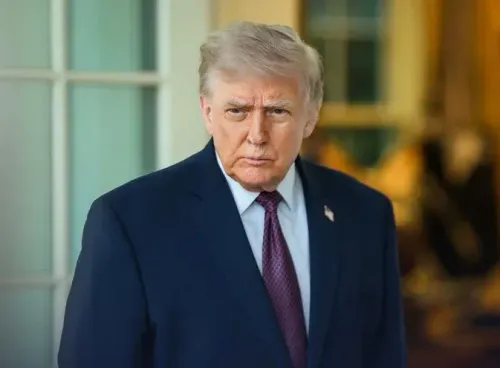
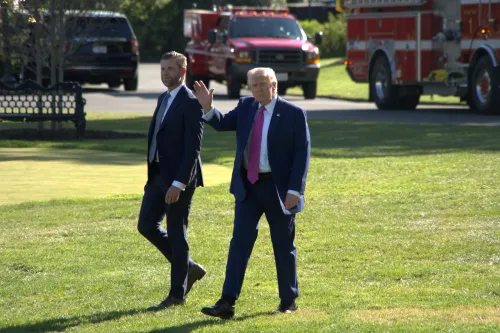
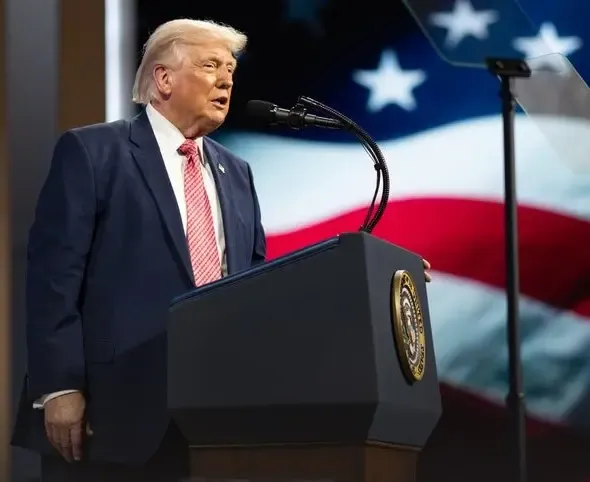
Washington, April 15 (NationPress) President Donald Trump indicated that a second series of direct negotiations with Iran might occur "within the next couple of days," hinting at a potential diplomatic breakthrough even as the United States continues its naval blockade against Iranian-associated shipping. In a discussion with The New York Post, Trump mentioned that talks could be imminent and identified Pakistan as a potential location for these discussions. "Something could be happening over the next two days, and we’re more inclined to go there," he remarked, referencing Islamabad.
These remarks followed a prior round of negotiations that did not result in significant progress, with Trump noting that initial plans pointed towards Europe before considering a shift to Pakistan.
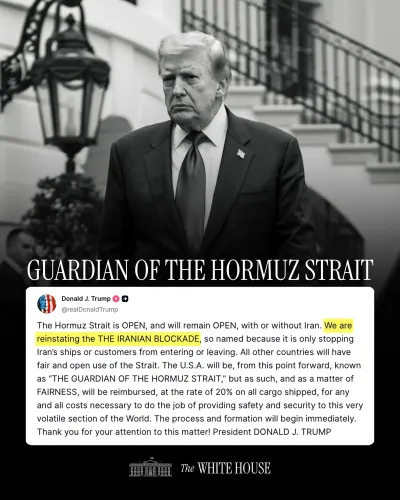
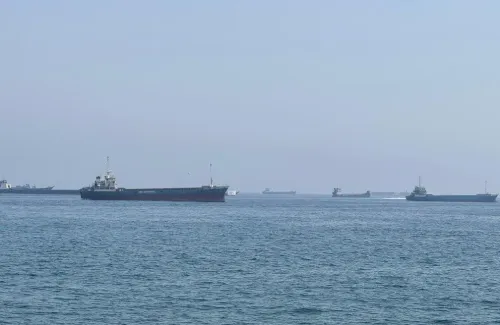
This diplomatic initiative coincides with increasing tensions in the Gulf region. The US Central Command reported that no vessels from Iranian ports navigated through its blockade during the first 24 hours, as six merchant ships adhered to US directives and returned towards Iranian ports in the Gulf of Oman.
Shipping data presented a more complex scenario, as several Iran-associated ships were seen traversing the Strait of Hormuz following the blockade's implementation, although some appeared to alter their routes after entering open waters.
In the same timeframe, over 20 commercial vessels that were not linked to Iran successfully crossed the strait, including tankers and cargo ships, indicating that traffic through this crucial maritime route has not been entirely disrupted.
Vice President JD Vance stated in Georgia that Washington aims for a broader agreement with Tehran, expressing that the United States desires Iran's economic prosperity, contingent on its commitment to refrain from developing nuclear weapons.
Simultaneously, diplomatic efforts are progressing in other areas of the region. Israel and Lebanon have agreed to initiate "direct negotiations" after rare in-person talks in Washington, viewed as part of larger efforts to stabilize tensions associated with the Iran issue.
The United Nations has called for ongoing engagement, with Secretary-General António Guterres stating that discussions between Washington and Tehran are likely to recommence, urging continuous diplomatic endeavors.
Markets swiftly responded to the prospect of renewed discussions, with US crude futures dropping nearly 8 percent to their lowest levels in weeks, reflecting optimism that tensions might ease and energy flows could stabilize.
Nonetheless, uncertainties persist regarding the blockade and its enforcement. The Strait of Hormuz is pivotal for a significant portion of global oil shipments, making it a crucial chokepoint for energy markets.
The US-Iran standoff has evolved over decades of strained relations centered on Tehran’s nuclear program and its regional influence. Previous attempts to limit Iran’s nuclear activities in exchange for sanctions relief have repeatedly faltered.
Historically, any sustained disruption in the Strait of Hormuz has led to volatility in oil prices and raised alarm over global energy security.
Point of View
It is essential to view this situation through a lens of cautious optimism. The suggestion of renewed talks between the US and Iran could potentially alleviate ongoing tensions in the region. However, the impact on global oil markets and security remains to be seen.
NationPress
18 Sept 2026
Frequently Asked Questions
What did President Trump say about talks with Iran?
President Trump indicated that a second round of direct negotiations with Iran could happen within the next few days.
Where might the potential talks with Iran take place?
Trump mentioned Pakistan as a possible location for the upcoming negotiations.
What is the current situation regarding the US blockade on Iranian shipping?
The US has implemented a naval blockade, with reports indicating that no Iranian vessels passed through during the first 24 hours.
How did the markets react to the news of potential talks?
US crude futures dropped nearly 8 percent in reaction to the possibility of renewed talks, reflecting hopes for easing tensions.
What is the significance of the Strait of Hormuz?
The Strait of Hormuz is a critical chokepoint for global oil shipments, making it vital for international energy security.