Iran-US Talks: Indirect Diplomacy Via Pakistan as Direct Negotiations Stall
Synopsis
Iran and the US are edging toward indirect diplomacy through Pakistan, with Foreign Minister Araghchi in Islamabad and Kushner-Witkoff heading there — yet Tehran refuses direct talks while the US blockade holds and Iran's internal moderate-hardliner divide continues to fracture its negotiating position.
Key Takeaways
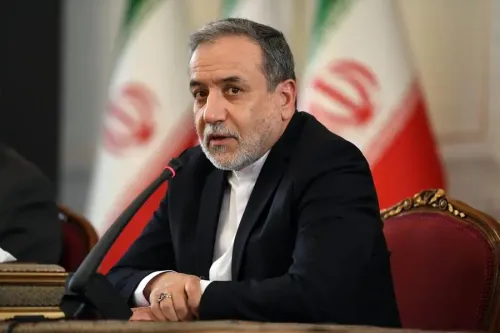
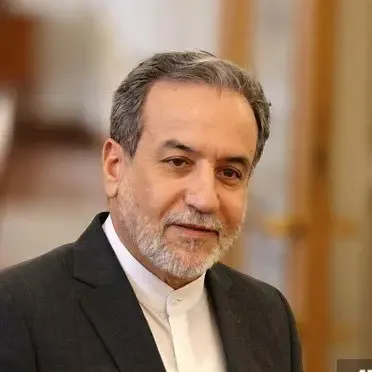
Iranian Foreign Minister Abbas Araghchi arrived in Islamabad on Friday, April 25 for indirect diplomacy with the US through Pakistani intermediaries.
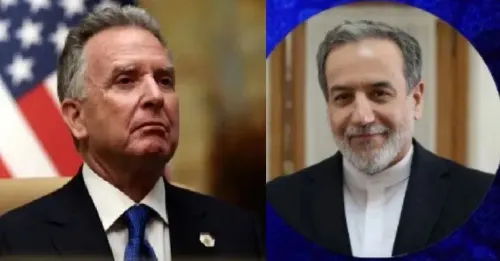
Jared Kushner and Steve Witkoff were set to travel to Pakistan on Saturday to "hear the Iranians out," per White House Spokesperson Karoline Leavitt .
Iran's IRGC reinstated the closure of the Strait of Hormuz on Saturday, overriding a statement by moderate Araghchi that it was open — exposing a sharp internal divide.
US President Donald Trump extended the ceasefire indefinitely before its expiry this week but kept the naval blockade of Iran's ports in place — the central condition blocking direct talks.
The last indirect talks attempt in Geneva on February 26 failed, with Oman as mediator, just days before the US-backed Israeli bombing campaign against Iran began.
Russia is reportedly sharing intelligence and supplying equipment to Iran, with direct Caspian Sea shipping routes insulating Tehran from Western economic pressure.
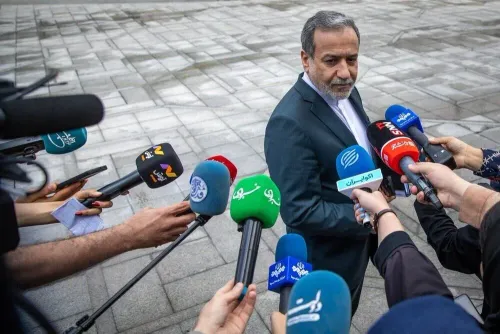
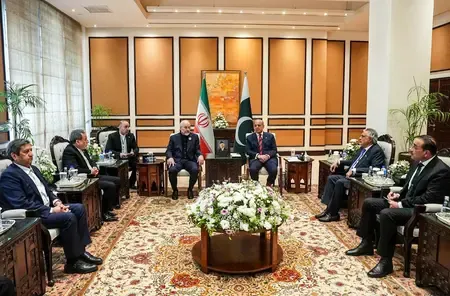
Islamabad/New York, April 25: The Iran-US diplomatic standoff entered a critical new phase on Saturday, April 26, as both nations signalled readiness to resume indirect communications through Pakistan as an intermediary — even as Tehran continued to refuse direct negotiations with Washington. Iranian Foreign Minister Abbas Araghchi arrived in Islamabad, while a senior US delegation led by Jared Kushner and Special Representative Steve Witkoff was set to travel there, raising cautious hopes of a diplomatic breakthrough.
Indirect Contacts Replace Direct Dialogue
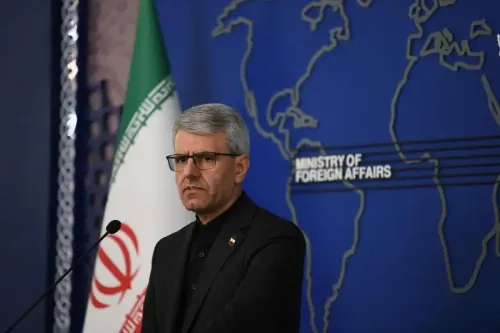
Iran's Foreign Ministry Spokesperson Esmail Baghaei categorically ruled out any face-to-face meeting between the two delegations. Writing on X (formerly Twitter), Baghaei stated, "No meeting is planned to take place between Iran and the US. Iran's observations would be conveyed to Pakistan."
This arrangement mirrors the failed indirect negotiations held in Geneva on February 26, where Oman's Foreign Minister Sayyid Badr bin Hamad Al Busaidi served as the go-between — just two days before Israel began bombing Iran, with the US joining the military campaign. Both Araghchi and the US team were present in Geneva during those talks as well.
This time, Pakistani intermediaries are expected to shuttle messages between the two sides — a format that reflects the deep mistrust between Tehran and Washington, yet signals that neither side has entirely abandoned the diplomatic track.
The Blockade and Strait of Hormuz: The Core Flashpoint
At the heart of the impasse lies the US naval blockade of Iran's ports — a measure Tehran has demanded be lifted before any direct talks can resume. In retaliation, Iran has closed the Strait of Hormuz, one of the world's most critical oil chokepoints through which nearly 20% of global oil supplies transit daily.
Behind the facade of a ceasefire announced by US President Donald Trump on April 7, hostilities have continued. The US has attacked and seized Iranian ships, while Iran has seized vessels in the region — including one travelling from Dubai to India — escalating economic and security concerns for regional partners including New Delhi.
Trump extended the ceasefire indefinitely before its scheduled expiry this week, citing that "Iran is seriously fractured" and that he was waiting for Tehran to present a unified negotiating position. Critically, however, Trump kept the blockade in place — the very condition that has paralysed talks.
Iran's Internal Divide: Moderates vs. Hardliners
The fissure within Iran's leadership has become increasingly visible and is directly shaping the pace of diplomacy. Araghchi, widely regarded as a moderate, declared on Friday that the Strait of Hormuz was open — only for the hardline Islamic Revolutionary Guard Corps (IRGC) to reinstate the closure just one day later on Saturday.
Iran Parliament Speaker Mohammad Bagher Ghalibaf, a former IRGC Brigadier General and the hardliner who led Tehran's delegation during the stalled April 11 direct negotiations, has continued launching vehement attacks on the US. Significantly, Ghalibaf will not be in Islamabad this weekend — and without his presence, Araghchi alone lacks the political authority to commit to any binding agreement.
This internal contradiction — a moderate foreign minister speaking one day, the IRGC reversing course the next — illustrates precisely why Trump has chosen to wait for Iran to consolidate its position before committing US senior leadership, including Vice-President J.D. Vance, to the talks.
Washington's Calculated Optimism
White House Spokesperson Karoline Leavitt struck a notably upbeat tone, telling reporters: "Steve and Jared will be heading to Pakistan tomorrow to hear the Iranians out," adding that "the President, the Vice-President, the Secretary of State Marco Rubio, will be waiting here in the United States for updates."
Leavitt also noted, "We've certainly seen some progress from the Iranian side in the last couple of days" — a signal that Washington believes the Islamabad channel could yield meaningful movement. She added that Vance "is on standby and will be willing to dispatch to Pakistan if we feel it's a necessary use of his time."
The deployment of Kushner and Witkoff — rather than Vance — reflects a deliberate calibration of diplomatic weight: senior enough to signal seriousness, but not so senior that a failure would constitute a major political embarrassment for the Trump administration.
Russia's Shadow Over Iran's Strategy
Moscow continues to play a crucial backstage role in this geopolitical drama. Russia has been providing Iran with diplomatic cover, material support, and direct shipping routes across the Caspian Sea — beyond the reach of US or Western interdiction. Media reports indicate that Russia is sharing intelligence with Tehran and may be supplying military equipment.
Araghchi's consultations in Moscow, part of the same diplomatic tour that brought him to Islamabad, could significantly influence Iran's negotiating posture. If Russia signals that it can sustain Iran's economic lifeline indefinitely, Tehran's incentive to compromise with Washington diminishes considerably.
As the Islamabad channel opens cautiously, all eyes will be on whether Pakistani intermediaries can bridge the gap between two sides entrenched in mutual suspicion — and whether Iran's internal divisions allow Araghchi to even signal flexibility. The coming days will be decisive for whether this indirect contact evolves into substantive negotiations or collapses like the Geneva attempt before it.
Point of View
It signals a regime in which no single voice controls foreign policy. That makes any agreement reached through intermediaries dangerously fragile, and the risk of miscalculation — military or diplomatic — remains dangerously high.
NationPress
19 Sept 2026
Frequently Asked Questions
Are Iran and the US holding direct talks in Pakistan?
No, Iran and the US are not holding direct talks in Pakistan. Iranian Foreign Ministry Spokesperson Esmail Baghaei confirmed that no direct meeting is planned and that Iran's position will be conveyed to the US through Pakistani intermediaries.
Why has Iran refused to negotiate directly with the US?
Iran has refused direct negotiations because the US has maintained a naval blockade of Iranian ports. Tehran has insisted the blockade must be lifted before any direct talks can resume.
What is the current status of the Strait of Hormuz?
The Strait of Hormuz remains closed as of April 25, 2025, after Iran's hardline IRGC reinstated the closure following a brief declaration by Foreign Minister Araghchi that it was open. The closure directly threatens global oil supplies.
Who is representing the US in the Pakistan diplomacy?
US President Trump's son-in-law Jared Kushner and Special Representative Steve Witkoff are heading to Pakistan to engage in the indirect talks. Vice President J.D. Vance remains on standby in the United States.
What role is Russia playing in the Iran-US standoff?
Russia has been providing Iran with diplomatic support, direct shipping routes via the Caspian Sea, and reportedly intelligence and military equipment. Araghchi's consultations in Moscow are seen as a key factor shaping Iran's negotiating strategy.