HP CM Sukhu hails doctor's Rs 80 crore donation to state
Synopsis
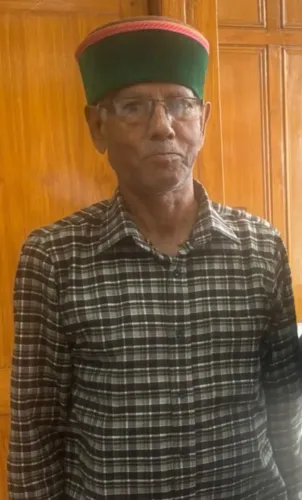
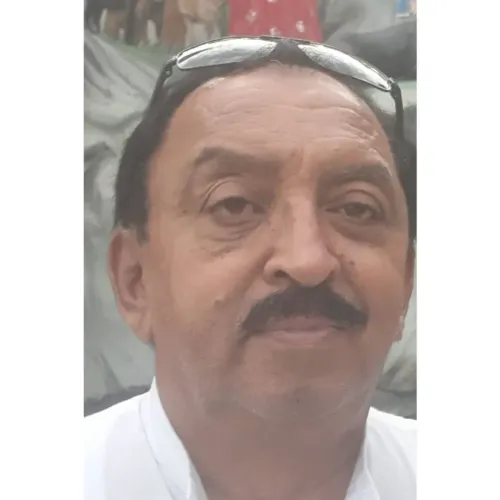
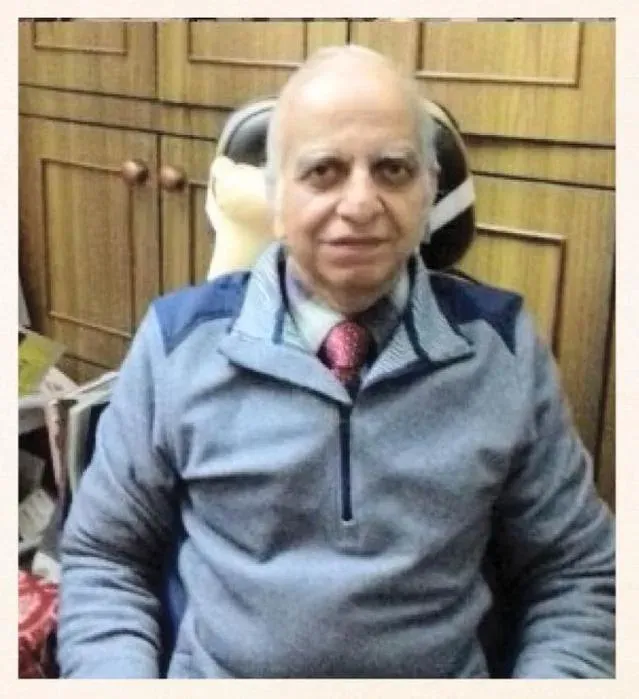
Senior Hamirpur physician Dr. Rajendra Kanwar has donated over Rs 80 crore in movable and immovable assets to the Himachal Pradesh government in his name and that of his late wife Krishna Kanwar. CM Sukhu called it an exemplary act of public service.
Key Takeaways
Rajendra Kanwar of Jolsappar, Hamirpur has donated more than Rs 80 crore in movable and immovable assets to the Himachal Pradesh state government.
The donation is made jointly in his name and that of his late wife, Krishna Kanwar .
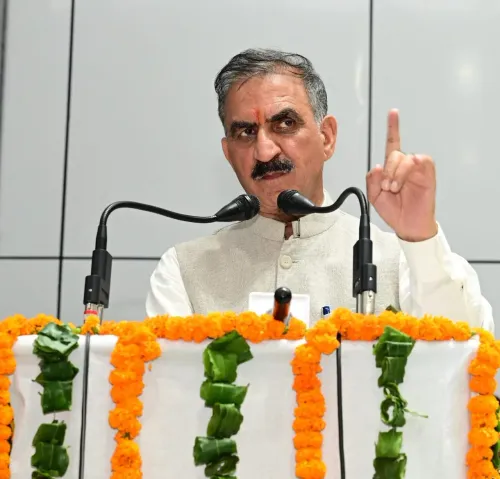
CM Sukhvinder Singh Sukhu publicly acknowledged the act on 13 August 2026 , calling it an 'exemplary model of sacrifice and public service.' Hamirpur is CM Sukhu's own home district, adding personal significance to his tribute.
The state government will determine how the donated assets are utilised for public welfare programmes.
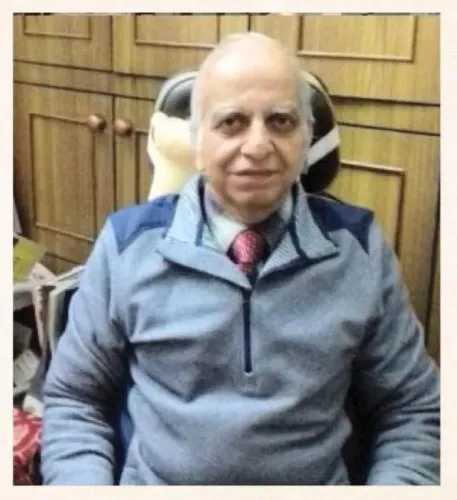
A senior physician from a small village in Himachal Pradesh's Hamirpur district has donated more than Rs 80 crore worth of movable and immovable assets to the state government — a gesture that Chief Minister Sukhvinder Singh Sukhu called an 'exemplary model of sacrifice and public service' on Thursday, 13 August 2026.
Dr. Rajendra Kanwar, a resident of Jolsappar village in Hamirpur — the Chief Minister's own home district — made the donation in his name and that of his late wife, Krishna Kanwar. The assets, accumulated over a lifetime of medical practice, now pass to the people of Himachal Pradesh.
A lifetime's earnings surrendered to the state
CM Sukhu quoted the act in Hindi as surrendering 'जीवनभर की कमाई को समाज के नाम' — 'a lifetime's earnings to society' — framing it not as a transaction but as the highest expression of public purpose. He offered heartfelt gratitude to Dr. Kanwar and a tribute to the memory of Krishna Kanwar, calling her legacy one that 'will be measured not in money but in the public welfare it enables.'
The donation covers both movable and immovable property. The state government now holds these assets, and how they are channelled — whether into healthcare infrastructure, welfare programmes, or the upcoming budget cycle — will determine the practical shape of Dr. Kanwar's intent.
Hamirpur's quiet philanthropy on a national scale
Acts of large-scale individual philanthropy directed at state governments are rare in India, and rarer still when they originate from a single retired professional rather than a corporate house or trust. At over Rs 80 crore, this donation places Dr. Kanwar's gesture in a category that commands genuine public attention. Indian state leaders do periodically spotlight such transfers — but the scale here is striking.
For CM Sukhu, the moment carries personal resonance: Hamirpur is his home district, and Dr. Kanwar is a figure from that community. The Chief Minister's post reads less like a routine political acknowledgement and more like a tribute from a neighbour who witnessed the life behind the decision.
The memory of Krishna Kanwar, who did not live to see the donation formalised, anchors the act in something beyond policy — a couple's shared conviction that what they built together belonged, in the end, to everyone.
Point of View
And CM Sukhu's decision to spotlight this one publicly serves a dual purpose: it honours a genuine act of philanthropy while reinforcing a narrative of civic virtue at a time when the Congress-led Himachal government is navigating fiscal pressures. The personal Hamirpur connection gives the tribute authenticity that a generic political statement would lack. How the state actually deploys these assets will be the real test of whether the gesture translates into lasting public benefit.
NationPress
13 Aug 2026
Frequently Asked Questions
Who is Dr. Rajendra Kanwar and why is he in the news?
Dr. Rajendra Kanwar is a senior physician from Jolsappar village in Hamirpur district, Himachal Pradesh. He is in the news for donating more than Rs 80 crore in movable and immovable assets to the Himachal Pradesh state government, an act praised by CM Sukhvinder Singh Sukhu.
How much did Dr. Rajendra Kanwar donate to the Himachal Pradesh government?
Dr. Rajendra Kanwar donated more than Rs 80 crore worth of movable and immovable property to the Himachal Pradesh state government.
Who was Krishna Kanwar?
Krishna Kanwar was the late wife of Dr. Rajendra Kanwar. The donation has been made in both their names, and CM Sukhu paid tribute to her memory as part of his acknowledgement.
What did CM Sukhu say about the donation?
CM Sukhvinder Singh Sukhu called the donation an 'exemplary model of sacrifice and public service,' saying the act of giving a lifetime's earnings to society reflects a spirit of public welfare that transcends monetary value.
What will Himachal Pradesh do with the donated assets?
The Himachal Pradesh government has received the assets, but the specific allocation — whether for healthcare, welfare programmes, or other public purposes — has not yet been announced.