HP CM Office Honours Dr. Rajendra Kanwar's Lifetime Gift to Society
Synopsis
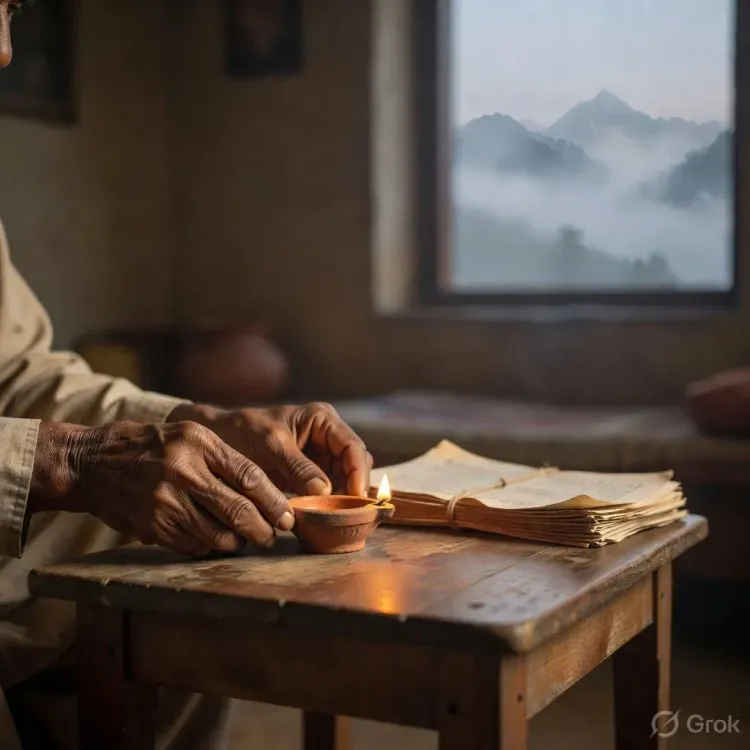
The Chief Minister's Office of Himachal Pradesh publicly honoured Dr. Rajendra Kanwar for pledging his lifetime earnings to public welfare, calling it an act of consecrating life's labour to society, while also paying tribute to his late wife Smt. Krishna Kanwar.
Key Takeaways
The Chief Minister's Office of Himachal Pradesh publicly acknowledged Dr.
Rajendra Kanwar's pledge to donate his lifetime savings to public welfare on 13 August 2026 .
The CMO described the act as 'consecrating the labour of one's life to public welfare' ( lokokalyan ke liye arpit karna ).
The office also offered a heartfelt tribute to Smt.
Krishna Kanwar , Dr.
The government expressed 'heartfelt gratitude' for what it termed Dr.
Kanwar's 'great resolve.' No specific details about the nature or quantum of the donation have been officially disclosed.
A lifetime of earnings, surrendered not to heirs but to the public good — that is the act the Chief Minister's Office of Himachal Pradesh paused to honour on Thursday, 13 August 2026. The official CMO account responded to a post acknowledging Dr. Rajendra Kanwar's extraordinary pledge to dedicate his life's savings to the welfare of society, and offered a heartfelt tribute to his late wife, Smt. Krishna Kanwar.
The CMO's message, written in Hindi, captured the spirit of the gesture in a single line: 'जीवनभर की कमाई को समाज के नाम कर देना अपने जीवन के श्रम को लोककल्याण के लिए अर्पित करने का भाव है' — 'To give away a lifetime of earnings in society's name is to consecrate the labour of one's life to public welfare.' The office expressed deep gratitude for what it called Dr. Kanwar's 'great resolve,' and offered an emotional tribute to the late Smt. Krishna Kanwar.
The Weight of a Lifetime's Resolve
Acts of this kind — an individual choosing to transfer personal wealth accumulated over decades into the public domain — carry a particular moral gravity in Indian civic life. They sit outside the logic of inheritance and institutional philanthropy, rooted instead in a personal conviction that one's labour belongs, ultimately, to the community. The CMO's public acknowledgment signals that the state government views such gestures as worthy of formal recognition, not quiet acceptance.
The tribute to Smt. Krishna Kanwar adds a layer of solemnity to the moment. Her passing, mourned alongside the celebration of her family's generosity, frames Dr. Kanwar's decision as one made at a time of personal grief — making the resolve all the more striking.
A Pattern of Public Acknowledgment from Shimla
State governments across India increasingly use official social media channels to amplify individual acts of civic generosity — both to honour the donor and to signal the values the administration wishes to associate itself with. For Himachal Pradesh, a hill state where community bonds and local welfare networks carry outsized importance, such acknowledgments serve a dual purpose: gratitude and example-setting. Whether the donated assets will be directed toward a specific welfare programme in the state remains to be announced by the government.
Dr. Kanwar's pledge stands as a reminder that consequential acts of public good do not always emerge from institutions. Sometimes they come from a single person's quiet, unshakeable decision.
Point of View
Amplifying individual acts of generosity allows the administration to frame a broader narrative around civic virtue without direct policy announcements. The simultaneous condolence for Smt. Krishna Kanwar humanises the gesture and deepens its emotional resonance with the electorate. The follow-through — how, if at all, the donated assets are deployed — will determine whether this acknowledgment translates into tangible welfare impact or remains a symbolic moment.
NationPress
27 Sept 2026
Frequently Asked Questions
Who is Dr. Rajendra Kanwar from Himachal Pradesh?
Dr. Rajendra Kanwar is a Himachal Pradesh resident who has pledged his lifetime savings to public welfare, an act publicly acknowledged by the state's Chief Minister's Office in August 2026. Specific details about his background have not been officially disclosed.
What did Dr. Rajendra Kanwar donate?
Dr. Rajendra Kanwar pledged his lifetime earnings to the welfare of society. The exact nature, amount, or recipient institution of the donation has not been officially confirmed by the Himachal Pradesh government.
Who was Smt. Krishna Kanwar?
Smt. Krishna Kanwar was the late wife of Dr. Rajendra Kanwar. The Chief Minister's Office of Himachal Pradesh offered a heartfelt tribute to her memory alongside its acknowledgment of Dr. Kanwar's philanthropic resolve.
Why did the HP CM Office post about this donation?
The Chief Minister's Office used its official platform to publicly honour a citizen's act of donating personal wealth to public welfare, reflecting a broader pattern of state governments recognising individual philanthropic gestures as acts of civic virtue.
What will happen to the money donated by Dr. Rajendra Kanwar?
The Himachal Pradesh government has not yet announced how the donated assets will be utilised. A follow-up statement on the specific welfare purpose is possible but has not been made as of the date of the CMO's post.