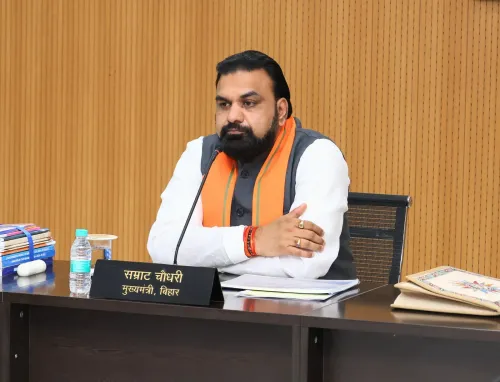
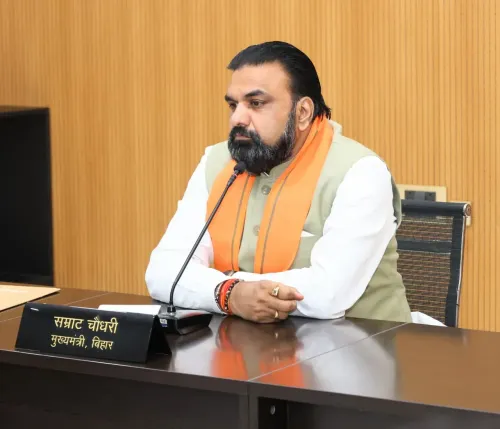
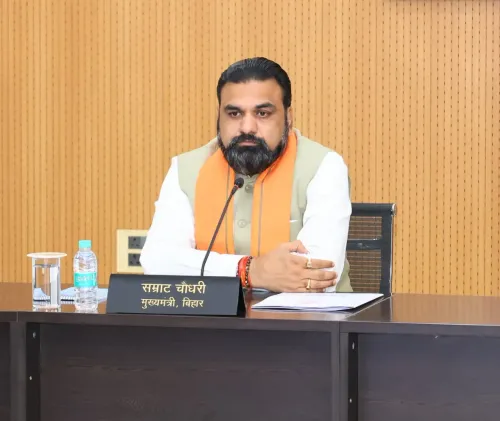
CM Samrat Choudhary Reviews Bihar Vision 2030 Fisheries Plan
Synopsis
Bihar CM Samrat Choudhary reviewed the Vision 2030 Matsya Priority Project on August 13, 2026, targeting 50,200 metric tonnes of fish production through 8 cluster projects across Siwan, Saran, Munger, Mithila, and Motihari, covering over 9,357 hectares.
Key Takeaways
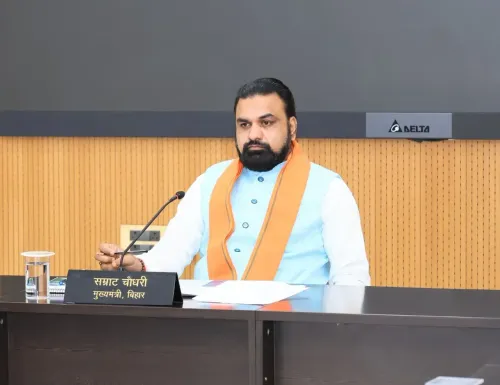
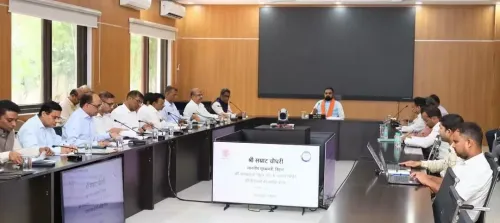
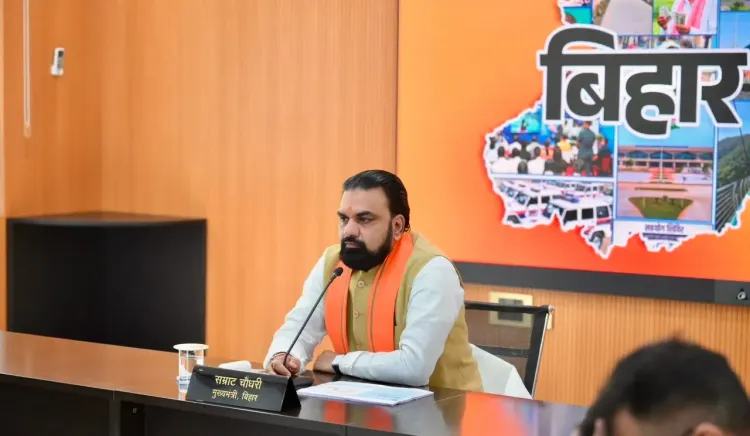
Bihar CM Samrat Choudhary reviewed the Vision 2030 Bihar Matsya Priority Project on August 13, 2026 at Lok Sevak Avas, Patna.
8 priority projects will develop fisheries clusters in Siwan, Saran, Munger, Mithila, and Motihari .
Direct intervention area: 1,848.75 hectares ; total project impact zone: 9,357 hectares .
Production target set at 50,200 metric tonnes of fish.
The plan integrates modern technology and scientific methods across the full value chain — from production to value addition.
The project aligns with the national Pradhan Mantri Matsya Sampada Yojana (PMMSY) launched in 2020 .
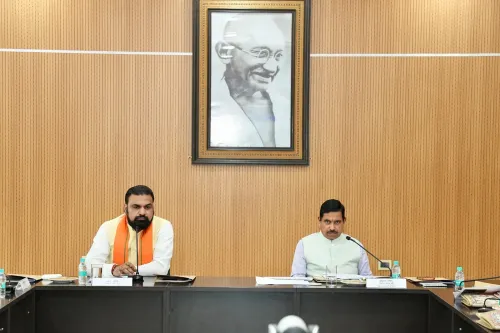
Bihar is betting on its rivers, ponds, and wetlands to power the next leap in rural income — and Chief Minister Samrat Choudhary is putting the architecture in place. On Thursday, August 13, 2026, Choudhary chaired a detailed review of the Vision 2030 Bihar Matsya Priority Project at Sankalpya Sabhagar (Resolve Hall) in Lok Sevak Avas, Patna, laying out an ambitious cluster-based fisheries expansion across five districts.
Five Districts, Eight Clusters — Bihar's Fisheries Map Redrawn
The plan centres on eight priority projects that will develop dedicated fisheries clusters in Siwan, Saran, Munger, Mithila, and Motihari. The direct intervention footprint covers 1,848.75 hectares, while the broader project impact zone stretches across 9,357 hectares. At the end of the runway: a production target of 50,200 metric tonnes of fish.
That number is not just a bureaucratic milestone. Bihar sits atop a vast network of rivers, floodplains, and seasonal ponds — resources that have historically been underutilised. A cluster model concentrates infrastructure, cold-chain logistics, and technical support in specific geographies, compressing what would otherwise be a slow, scattered upgrade into a coordinated push.
From Pond to Plate — Strengthening the Full Value Chain
Choudhary's review emphasised that modern technology and scientific aquaculture methods would underpin the entire production-to-value-addition chain. The state's stated goal is not merely to catch more fish, but to process, package, and market it — capturing margin at every stage rather than selling raw catch at distress prices.
This approach aligns with the national Pradhan Mantri Matsya Sampada Yojana (PMMSY), the central scheme launched in 2020 to modernise India's fisheries sector. Bihar has been an active participant in PMMSY, using central funding to upgrade aquaculture infrastructure for inland fish farmers and riverine fishermen — the two communities who stand to gain most from Vision 2030's cluster push.
Vision 2030 and the Blue Economy Bet
The fisheries project sits within Bihar's broader Vision 2030 roadmap, which is designed to align state economic priorities with the national Viksit Bharat (Developed India) agenda. Inland fisheries represent one of the few sectors where Bihar holds a natural geographic advantage — and where a targeted intervention can translate quickly into rural employment and income.
Indian states have increasingly turned to cluster-based fisheries development to move beyond subsistence-level aquaculture. Integrating technology, scientific breeding methods, and value-addition infrastructure under a single project umbrella is now the standard model — and Bihar's five-district plan follows that logic at scale.
The next test will come in the state budget sessions, where progress on cluster development and whether the 50,200 metric tonne production target stays on track will face its first public accounting. Bihar's fish farmers are watching.
Point of View
Geography-anchored economic strategy — a harder, more accountable model. Anchoring Vision 2030 to PMMSY's central funding architecture is politically smart: it lets the state claim credit for local delivery while drawing on Union resources. The five-district selection — spanning north Bihar's flood plains and central Bihar's riverine belts — suggests a deliberate effort to diversify the state's economic base beyond agriculture. Whether the value-chain ambition survives implementation will define how seriously Bihar's blue economy pivot is taken in the next budget cycle.
NationPress
13 Aug 2026
Frequently Asked Questions
What is Bihar's Vision 2030 Matsya Priority Project?
It is a state fisheries development plan under Bihar's Vision 2030 roadmap that aims to create specialised fish clusters in five districts — Siwan, Saran, Munger, Mithila, and Motihari — targeting 50,200 metric tonnes of fish production through 8 priority projects.
Which districts are covered under Bihar's fisheries cluster plan?
The project covers Siwan, Saran, Munger, Mithila, and Motihari, with a direct intervention area of 1,848.75 hectares and a broader project impact zone of 9,357 hectares.
What is the fish production target under the Bihar Matsya project?
The target is 50,200 metric tonnes of fish production, to be achieved through modern technology, scientific aquaculture methods, and strengthened value chains from production to processing.
How does Bihar's fisheries plan connect to the central government's PMMSY scheme?
Bihar's Vision 2030 fisheries push aligns with the Pradhan Mantri Matsya Sampada Yojana, the central scheme launched in 2020 to modernise India's fisheries sector, which Bihar has used to upgrade aquaculture infrastructure for inland fish farmers.
Who reviewed the Bihar Matsya Priority Project on August 13, 2026?
Bihar Chief Minister Samrat Choudhary chaired the review at Sankalpya Sabhagar in Lok Sevak Avas, Patna, on August 13, 2026.