CM Samrat Choudhary Reviews Bihar's 11 Satellite Town Projects
Synopsis
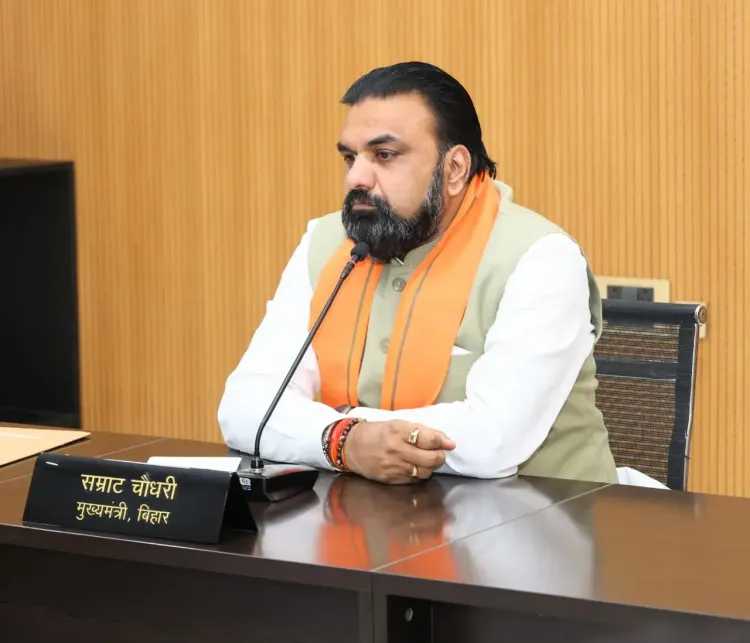
Bihar Chief Minister Samrat Choudhary on 1 June 2026 held a high-level meeting at Sankalp Sabhagar to review progress on the state's 11 satellite town projects, signalling top-level political focus on Bihar's urban expansion agenda.
Key Takeaways
Bihar CM Samrat Choudhary chaired a high-level review meeting on 1 June 2026 at Sankalp Sabhagar, Lok Sevak Avas .
The meeting focused on progress of 11 satellite town projects across Bihar.
The initiative aims to decongest existing urban centres, particularly Patna , and support regional growth.
Bihar's satellite town strategy aligns with national urban missions including AMRUT .
Key milestones to watch include land acquisition , funding releases , and construction progress across all 11 sites.
Stakeholders include urban residents , municipal bodies , and infrastructure developers .
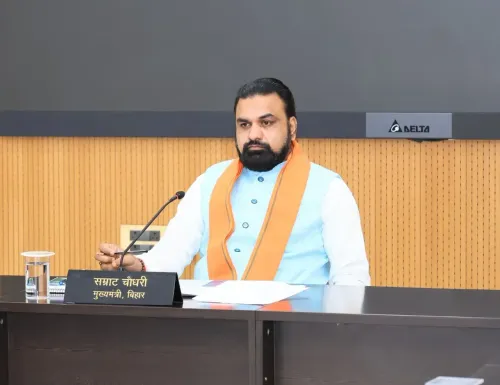
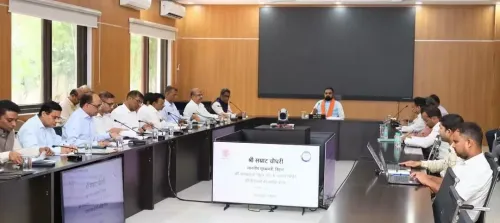
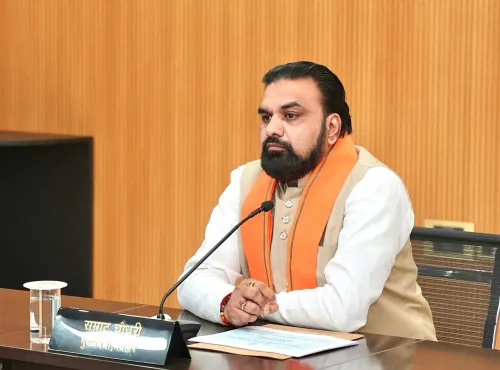
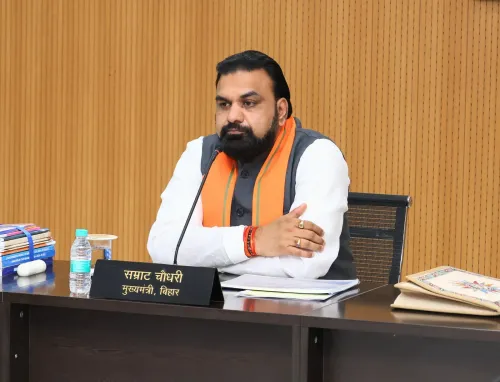
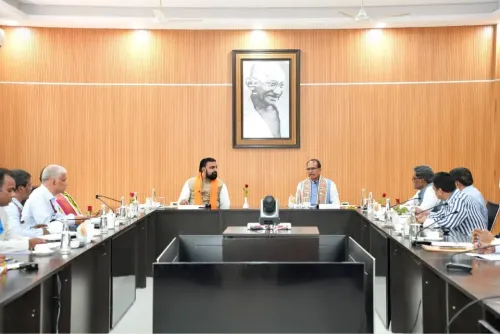
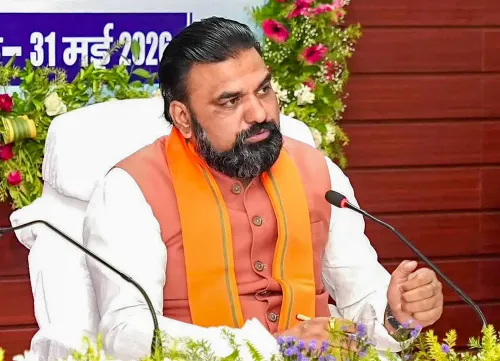
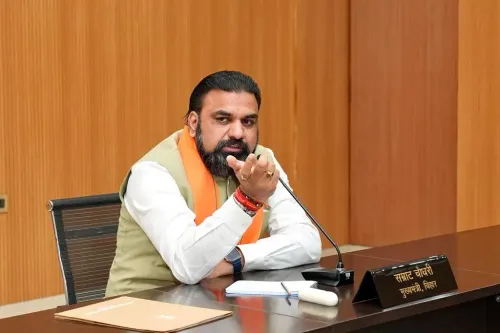
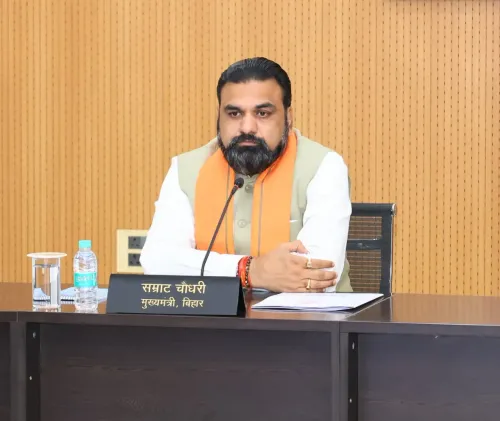
The Chief Minister's Office of Bihar announced on Monday, 1 June 2026, that Chief Minister Samrat Choudhary chaired a high-level review meeting at Sankalp Sabhagar, Lok Sevak Avas, to assess progress on the state's 11 satellite town projects.
Context
The official post from the Chief Minister's Office reads: 'Mananiya Mukhyamantri Shri Samrat Choudhary ji ne aaj Lok Sevak Avas sthit Sankalp Sabhagar mein rajya ki 11 satellite town pariyojanaon ki pragati ki samiksha hetu uchch-stariya baithak ki' — translated: 'Honourable Chief Minister Shri Samrat Choudhary today held a high-level meeting at Sankalp Sabhagar, Lok Sevak Avas, to review the progress of the state's 11 satellite town projects.' The meeting signals a direct push from the top of Bihar's government to accelerate one of its most ambitious urban infrastructure programmes.
Policy Backdrop
Bihar's satellite town initiative is designed to decongest existing urban centres — most notably Patna — and spread economic activity to secondary regions of the state. The concept has been embedded in Bihar's urban planning documents for several years, drawing on frameworks aligned with national missions including AMRUT (Atal Mission for Rejuvenation and Urban Transformation) and broader Smart Cities thinking. Rapid population growth and sustained economic migration into Bihar's primary cities have long underscored the urgency of creating planned peripheral townships capable of absorbing residential and commercial demand.
The state's urban development agenda since the early 2010s has progressively moved toward structured township planning as a complement to in-city infrastructure upgrades. Satellite towns represent the longer-horizon piece of that strategy — requiring sustained land acquisition, utility rollout, and connectivity investment over multiple years.
Stakeholders and Impact
The 11 satellite towns collectively affect a wide range of stakeholders: urban residents seeking affordable housing outside congested city cores, municipal bodies tasked with service delivery in new jurisdictions, and infrastructure developers bidding for construction and utility contracts. Successful execution would redistribute population pressure from Patna and other major centres, potentially improving quality of life and reducing strain on existing civic infrastructure.
For smaller towns and peri-urban communities within the satellite zones, the projects carry the prospect of improved roads, water supply, sanitation, and employment opportunities linked to construction and eventual commercial activity. The review meeting suggests the administration is monitoring ground-level progress closely rather than leaving execution to departmental routine.
What's Next
Observers will watch for subsequent quarterly progress disclosures covering land acquisition status, funding releases, and construction milestones across all 11 townships. The high-level nature of Monday's review — convened personally by CM Samrat Choudhary at his official residence complex — indicates that the projects are being tracked at the political level, which typically accelerates bureaucratic timelines. Further announcements on individual project locations, timelines, and budgetary allocations are expected as the review findings are acted upon.
Point of View
Making political-level monitoring a key accelerator. The meeting fits into Bihar's longer arc of urban reform, where the state has sought to reposition itself as an investor-friendly destination by visibly upgrading civic infrastructure. How quickly the review findings translate into on-ground action will be a test of the administration's execution capacity on one of its flagship urban programmes.
NationPress
19 Sept 2026
Frequently Asked Questions
What are Bihar's 11 satellite town projects?
Bihar's 11 satellite town projects are state-planned townships designed to decongest major urban centres like Patna and promote balanced regional development across the state.
Why did CM Samrat Choudhary hold this review meeting?
CM Samrat Choudhary held the high-level meeting on 1 June 2026 to personally assess the progress of all 11 satellite town projects and push for faster execution.
Where was the satellite town review meeting held?
The meeting was held at Sankalp Sabhagar inside Lok Sevak Avas, the Chief Minister's official residence complex in Patna, Bihar.
How do Bihar's satellite towns relate to national urban missions?
Bihar's satellite town programme draws on frameworks aligned with national schemes such as AMRUT (Atal Mission for Rejuvenation and Urban Transformation) and Smart Cities initiatives.
Who are the key stakeholders in Bihar's satellite town projects?
The main stakeholders are urban residents seeking housing outside congested city cores, municipal bodies responsible for service delivery, and infrastructure developers involved in construction.