Anurag Thakur Marks 150 Years of Vande Mataram

Synopsis
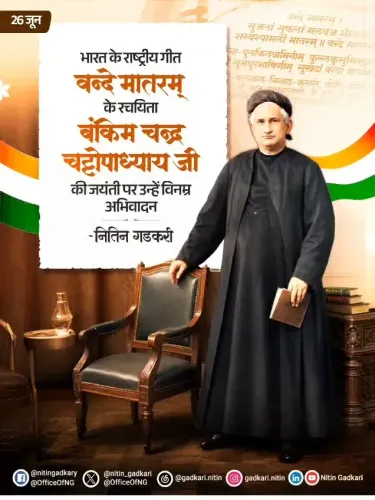
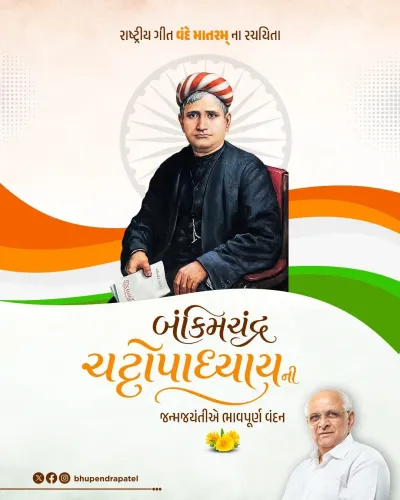
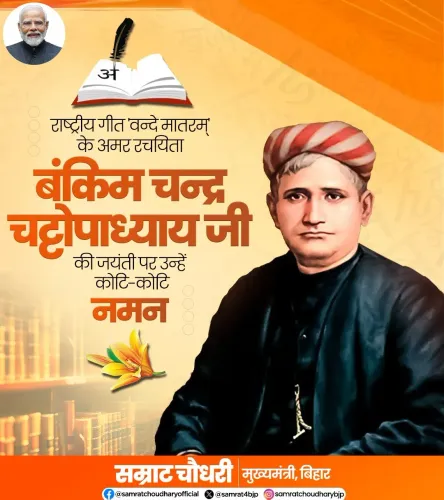
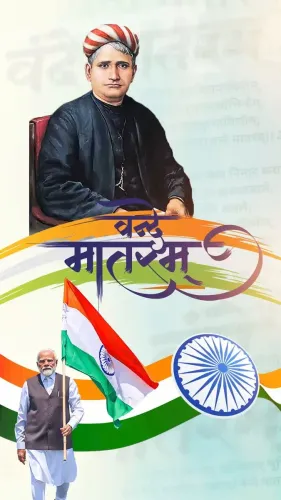
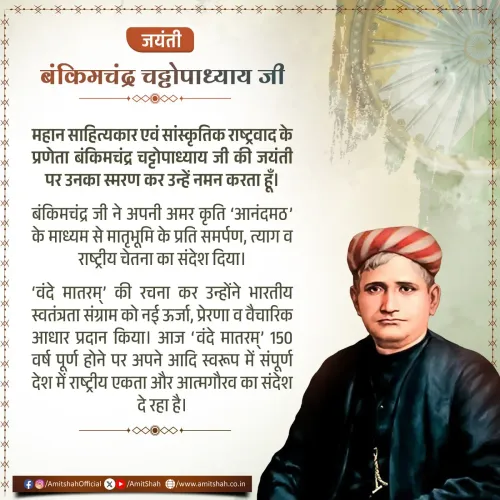
On the 150th anniversary of Vande Mataram, BJP MP Anurag Thakur says the Modi government has ensured the national song receives full and equal respect, honouring Bankim Chandra Chattopadhyay's 1876 composition ahead of Independence Day 2026.
Key Takeaways
Anurag Thakur , BJP MP from Hamirpur , posted on 13 August 2026 marking 150 years of Vande Mataram .
Bankim Chandra Chattopadhyay wrote the song in 1876 and included it in his novel Anandamath in 1882 .
The Constituent Assembly designated Vande Mataram India's national song in 1950 , separate from the national anthem Jana Gana Mana .
Thakur credited the Modi government with ensuring 'complete and equal honour' for the national song, though no specific measure was detailed in the post.
BJP-led governments have historically pushed to reinforce Vande Mataram 's presence in schools and official events as part of a broader cultural agenda.
One hundred and fifty years after Bankim Chandra Chattopadhyay first penned the words that would electrify a nation's freedom struggle, BJP MP Anurag Thakur says the Modi government has taken a step to ensure India's national song receives the full, equal respect it deserves. The Hamirpur MP made the statement on 13 August 2026, on the eve of Independence Day, framing the anniversary as a moment of pride for every Indian.
Posting in Hindi, Thakur wrote: 'Vande Mataram ki rachna ke 150 varsh poore hone ke avsar par' — marking 150 years of the composition — he credited Prime Minister Narendra Modi's leadership for ensuring the national song gets 'complete and equal honour, which it deserves.' He called it a tribute to the 'immortal creation' of Bankim Chandra Chattopadhyay and closed with a simple, resonant Vande Mataram and the tricolour.
Bankim Chandra's 1876 Composition and Its Constitutional Standing
Bankim Chandra Chattopadhyay wrote Vande Mataram in 1876 and wove it into his landmark novel Anandamath in 1882. The song became the rallying cry of the independence movement — sung at protests, arrests, and marches across the subcontinent. At the 1937 Indian National Congress session, it was formally recognised as the national song. When the Constituent Assembly adopted the Constitution in 1950, Vande Mataram was designated the national song, with Jana Gana Mana as the national anthem — a distinction that has occasionally sparked debate over relative precedence and protocol.BJP's Sustained Push to Elevate the National Song
Thakur's post fits a recognisable pattern. BJP-led governments have periodically reinforced official protocols around Vande Mataram — pushing for its inclusion in school assemblies, government functions, and public events — as part of a broader cultural agenda that foregrounds 19th-century nationalist literature and indigenous symbols. The 150th anniversary of the composition gives that effort a historically resonant peg. What specific circular, directive, or government measure Thakur is referring to has not been detailed in the post, and the specifics remain unconfirmed. What is clear is the political timing: the day before Independence Day, with the tricolour already flying across the country, a call to honour Vande Mataram lands with maximum symbolic weight. For a song that once made colonial authorities nervous enough to attempt a ban, 150 years is not just an anniversary — it is a statement.Why the 'Equal Respect' Framing Matters
The phrase 'complete and equal respect' in Thakur's post is deliberate. The long-standing asymmetry — Jana Gana Mana carries mandatory anthem protocol while Vande Mataram occupies a less codified space — has been a recurring point of contention in Parliament and state legislatures. Any government move to formally close that gap would mark a significant shift in how the Indian state treats its two foundational patriotic compositions. The specifics of what the government has done will be the detail to watch in the coming days.Point of View
A landmark anniversary, and an implicit contrast with governments he would argue undervalued the national song. The 'equal respect' framing is the operative phrase: it gestures at a long-standing BJP position that Vande Mataram should carry protocol weight comparable to the national anthem, a debate with real legislative and institutional implications. Without specifics of the government measure cited, the post functions more as a declarative assertion of intent than a policy announcement. If a concrete directive follows, it would represent the most significant formal elevation of Vande Mataram's official status in decades.
NationPress
13 Aug 2026
Frequently Asked Questions
When was Vande Mataram written and by whom?
Vande Mataram was written by Bankim Chandra Chattopadhyay in 1876 and later incorporated into his novel Anandamath in 1882 .
What is the difference between India's national anthem and national song?
India's national anthem is Jana Gana Mana , which carries mandatory protocol under law. Vande Mataram is the national song, adopted by the Constituent Assembly in 1950 , but it has historically occupied a less codified official space.
What did Anurag Thakur say about Vande Mataram?
BJP MP Anurag Thakur said on 13 August 2026 that the Modi government has ensured Vande Mataram receives 'complete and equal honour' on the occasion of its 150th anniversary .
Why is 2026 significant for Vande Mataram?
2026 marks 150 years since Vande Mataram was composed by Bankim Chandra Chattopadhyay in 1876 , making it a milestone anniversary for the national song.
Has the BJP government previously taken steps to promote Vande Mataram?
Yes. BJP-led governments have periodically issued directives encouraging the singing of Vande Mataram in schools and government events, as part of a broader emphasis on nationalist cultural symbols.