Iran FM Araghchi: US-Iran diplomacy possible if pressure tactics dropped
Synopsis
Iran's foreign minister has put a clear condition on the table: the US must abandon its pressure playbook before diplomacy can resume. With the 60-day MoU window already closed, Trump's 'economic D-Day' rhetoric in play, and Iran's security council threatening to target US interests across West Asia, the gap between the two sides is widening — even as Qatar works overtime to keep a channel open.
Key Takeaways
Iran's Foreign Minister Seyed Abbas Araghchi said on 28 August that US-Iran diplomacy can resume only if Washington accepts that pressure on Tehran does not work.
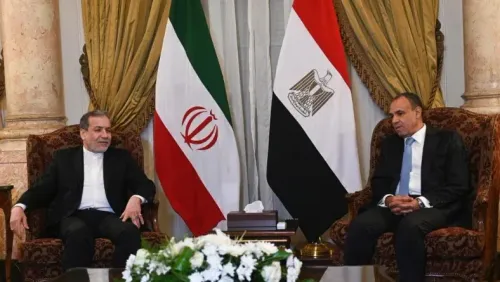
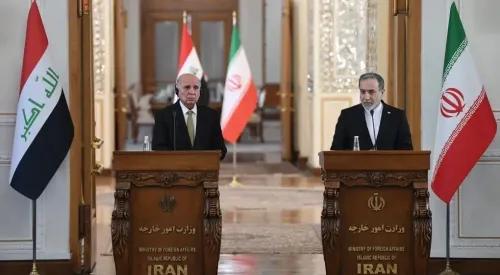
Araghchi referenced 'creative discussions' held with Qatari Prime Minister Sheikh Mohammed bin Abdulrahman Al Thani in Tehran on Thursday.
A US-Iran MoU signed on 18 June set a 60-day negotiation window that expired on 17 August without a final agreement.
US President Donald Trump this month announced sweeping economic measures against countries supporting Iran, calling it 'an economic D-Day.' Iran's Supreme National Security Council Secretary Mohsen Rezaei warned that any US 'malicious' act would draw a response targeting US military and economic interests in West Asia .
Iran has conditioned reopening the Strait of Hormuz on Washington taking practical steps to meet Tehran's demands.
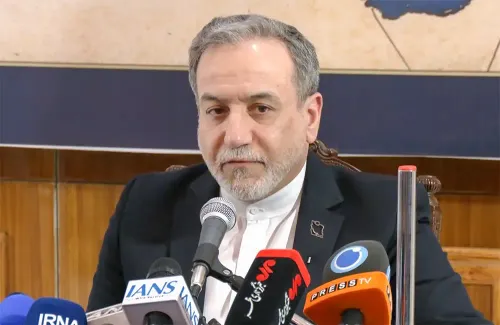
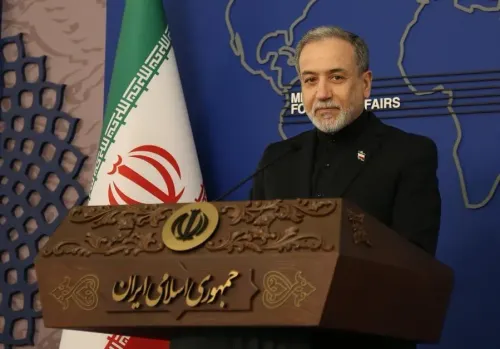
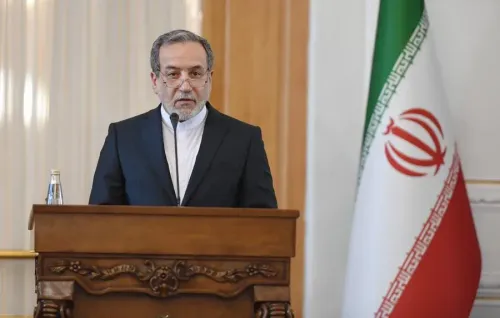
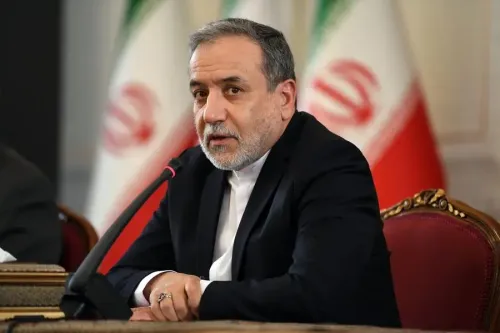
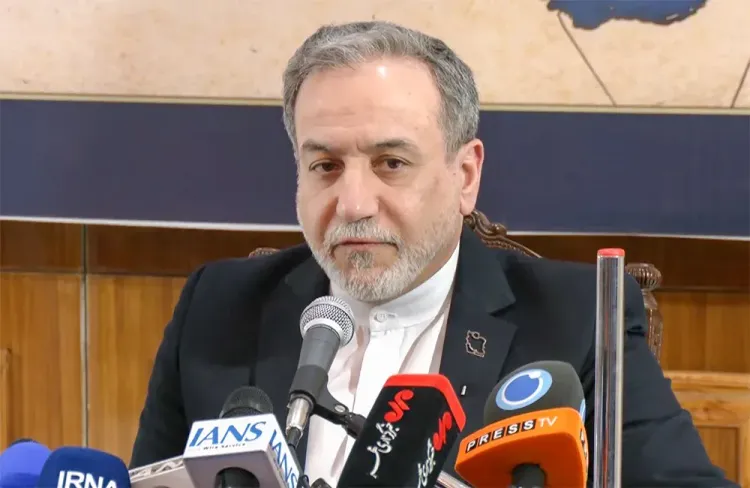
Iran's Foreign Minister Seyed Abbas Araghchi said on Friday, 28 August that diplomatic engagement between Tehran and Washington can be restored, provided the United States accepts that coercive pressure on Iran yields no results. Araghchi made the remarks in a post on X, referencing his meeting the previous day with Qatari Prime Minister and Foreign Minister Sheikh Mohammed bin Abdulrahman bin Jassim Al Thani in Tehran.
Araghchi's Conditions for Renewed Talks
'Putting diplomacy back on track isn't impossible. It hinges on US understanding of one simple fact: pressure doesn't work,' Araghchi wrote. He called on Washington to build trust, engage respectfully, acknowledge Iran's rights, and honour its existing commitments toward Tehran. The two sides reportedly held what Araghchi described as 'creative discussions' during the Qatari-mediated meeting.
The Stalled MoU and Diplomatic Background
On 18 June, the United States and Iran signed a memorandum of understanding (MoU) committing both sides to hold negotiations within 60 days — a window that closed on 17 August — with the aim of reaching a final agreement. The fate of those talks remains uncertain following a sharp escalation between the two countries last month. This comes amid a broader pattern of diplomatic starts and stops that has defined US-Iran relations for over two decades.
Trump's 'Economic D-Day' Warning
Earlier this month, US President Donald Trump announced what he called 'the most crushing economic operation ever taken' against any country providing financial support to Iran. 'This will be Economic Warfare and Isolation on an unprecedented scale,' Trump said, describing the move as 'an economic D-Day.' The declaration has significantly complicated the diplomatic track, with Tehran interpreting it as a direct violation of the spirit of the June MoU.
Iran's Security Council Issues Stark Warning
Secretary of Iran's Supreme National Security Council Mohsen Rezaei separately warned on Thursday that any 'malicious' act by the United States would draw a harsh Iranian response targeting US military and economic interests across the West Asia region — a response he said 'will be etched in history,' according to the semi-official Fars news agency. Rezaei, who also met the Qatari prime minister in Tehran, accused Washington of repeatedly betraying diplomatic processes. He further stated that Iran would reopen the Strait of Hormuz only after Washington takes concrete steps to meet Tehran's conditions — a significant leverage point given the strait's role in global oil flows.
Qatar's Mediating Role
The Qatari prime minister affirmed Doha's commitment to cooperating with Iran, citing regional responsibilities. Qatar has historically served as a back-channel between Washington and Tehran, and the back-to-back meetings with both Araghchi and Rezaei on Thursday signal that Doha is actively working to prevent a full breakdown of the diplomatic process. Whether that effort can bridge the current gap remains to be seen.
Point of View
Trump has escalated with sweeping economic measures, and Iran's security council is now openly threatening to target US interests across West Asia. Qatar's mediation is the last functioning circuit-breaker. If Doha cannot translate these 'creative discussions' into a concrete negotiating framework, the gap between a diplomatic reset and a regional escalation will narrow sharply. The Strait of Hormuz card, raised explicitly by Rezaei, is not rhetorical — it is the highest-stakes leverage Iran holds, and invoking it signals how seriously Tehran views the current impasse.
NationPress
12 Oct 2026
Frequently Asked Questions
What did Iran's Foreign Minister Araghchi say about US-Iran diplomacy?
Araghchi said on 28 August that diplomacy between the US and Iran can be restored if Washington acknowledges that pressure on Tehran does not work. He called on the US to build trust, speak respectfully, recognise Iran's rights, and honour its commitments.
What is the US-Iran MoU signed in June 2025?
The United States and Iran signed a memorandum of understanding on 18 June, committing both sides to hold negotiations within 60 days — a deadline that fell on 17 August — to reach a final agreement. The outcome of those talks remains unclear following a subsequent escalation between the two countries.
What economic measures did President Trump announce against Iran?
President Donald Trump announced what he described as 'the most crushing economic operation ever taken' against countries providing support to Iran, calling it 'Economic Warfare and Isolation on an unprecedented scale' and an 'economic D-Day.' The move has complicated the diplomatic track opened by the June MoU.
What warning did Iran's Supreme National Security Council issue?
Secretary Mohsen Rezaei warned on Thursday that if the United States commits any 'malicious' act, Iran will respond by targeting US military and economic interests across West Asia in a manner that 'will be etched in history,' according to the Fars news agency.
What is Qatar's role in the US-Iran standoff?
Qatar is acting as a mediator, with Qatari Prime Minister Sheikh Mohammed bin Abdulrahman Al Thani meeting both Foreign Minister Araghchi and Security Council Secretary Rezaei in Tehran on Thursday. Doha has historically served as a back-channel between Washington and Tehran and is working to prevent a full collapse of the diplomatic process.