Can Diplomacy with the US Finally Open for Iran After Oman Talks?
Synopsis
Iran's Foreign Minister hints at renewed talks with the US following Oman discussions. While optimistic, he emphasizes that trust-building is essential and affirms Iran's commitment to its uranium enrichment. Amid escalating regional tensions, both nations face pressure to reach a diplomatic resolution.
Key Takeaways
Iran's Foreign Minister anticipates new talks with the US.
Trust-building between nations is crucial.
Iran maintains its uranium enrichment rights.
The US continues to press for limits on Iran's missile program.
Regional responses to the talks have been cautiously supportive.
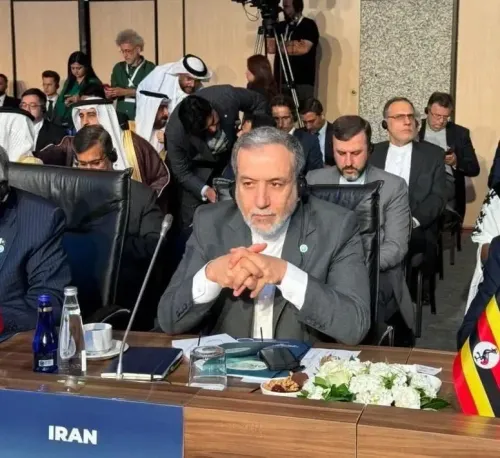
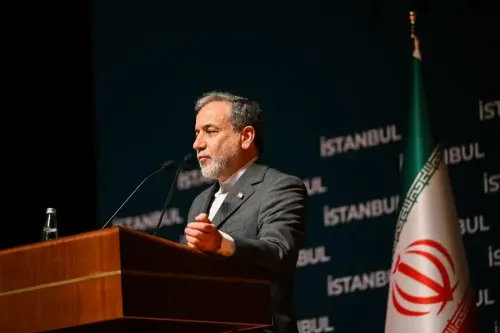
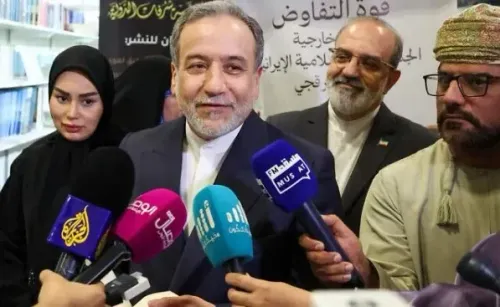
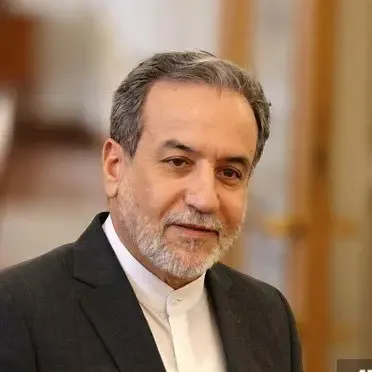
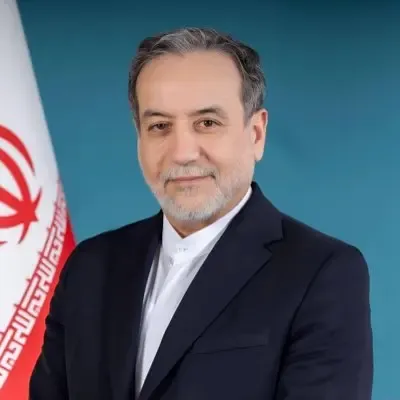
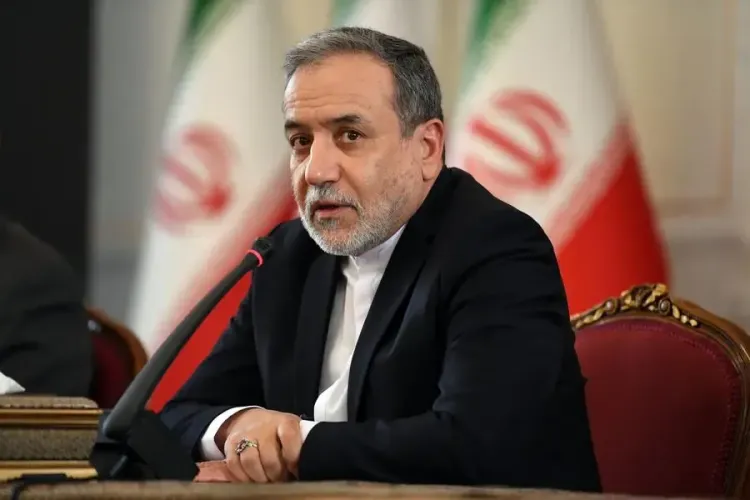
Cairo, Feb 8 (NationPress) Iran's Foreign Minister Seyed Abbas Araghchi expressed optimism about a forthcoming round of discussions with the United States, anticipating these talks to happen "soon." He characterized the previous day's meeting as a positive initial step, albeit emphasizing that rebuilding mutual trust will require time.
In an interview aired on Al Jazeera and subsequently shared on his Telegram channel in Persian, Araghchi firmly stated that Tehran would not abandon its uranium enrichment program, which he termed an "inalienable right." He indicated that Iran is willing to engage in an agreement that satisfies the international community while maintaining its enrichment activities, as reported by Xinhua.
He further clarified that Iran is against shipping its uranium overseas, asserting that the nuclear issue can only be resolved through negotiations. Additionally, he dismissed US demands to limit Iran's missile program, declaring missiles to be a defensive matter that is "never negotiable."
Araghchi confirmed that members of both the Iranian and American delegations briefly shook hands, despite the talks being indirect. "Even though the negotiations were indirect, a chance arose for a handshake with the American delegation," he mentioned, countering US claims of a brief direct exchange during discussions in Muscat.
After his talks with Steve Witkoff, US President Trump's special envoy, Araghchi proceeded to Doha to meet Sheikh Mohammed bin Abdulrahman bin Jassim Al-Thani, Qatar's Prime Minister and Foreign Minister, as reported by Qatari media.
Iran's military chief of staff, Abdolrahim Mousavi, adopted a more aggressive stance, warning that any attempt to impose war on Iran would escalate conflict across the Middle East. He stated that while Iran would not initiate a war, it would respond "decisively" to protect its sovereignty.
Trump, while speaking to reporters aboard Air Force One en route to his Mar-a-Lago resort in Florida, described the Oman discussions as "very good," suggesting that Iran "appears eager to make a deal." He noted that both sides would reconvene early next week.
On the previous Friday, Trump signed an executive order threatening additional tariffs on nations that continue trading with Iran. While the order does not specify a tariff rate, it suggests a 25 percent rate as a potential example and indicates that this could apply to goods imported from any country that "directly or indirectly" engages with Iran.
The talks in Muscat signify a renewed diplomatic push amid escalating regional tensions. In recent weeks, the United States has bolstered its military presence in the Middle East, while Iran has ramped up its own preparations, raising concerns among neighboring governments about the potential for a wider conflict.
Israel is closely monitoring the negotiations. Prime Minister Benjamin Netanyahu announced he would travel to Washington later this week to discuss the talks with Trump, asserting that any agreement must entail restrictions on Iran's ballistic missile program and end its support for allied militant groups.
Earlier this week, prior to the Muscat meeting, Witkoff visited Israel for consultations, during which Netanyahu emphasized that Iran has "repeatedly demonstrated it cannot be trusted to uphold its promises."
Reactions from the region have been cautiously positive. Egypt and the United Arab Emirates have welcomed the talks as constructive steps toward dialogue and de-escalation.
Egypt’s Foreign Minister, Badr Abdelatty, commended Oman's role in facilitating the negotiations and reaffirmed Cairo's commitment to a negotiated resolution of the nuclear issue. The Emirati Foreign Ministry acknowledged Oman's mediation for fostering conditions conducive to dialogue and expressed hope for outcomes that would bolster regional security.
Saudi Foreign Minister Faisal bin Farhan Al Saud also expressed support for the talks, hoping they would pave the way for diplomatic solutions to ease tensions and enhance regional stability.
"The region is burdened by multiple crises, and reaching a diplomatic resolution between the United States and Iran is vital for achieving peace and stability," he stated during a press conference on Friday.
Qatar's Foreign Minister, during his Saturday meeting with Araghchi in Doha, expressed hope that the negotiations would culminate in a comprehensive agreement that fortifies stability and security across the region, according to a statement from the Qatari Foreign Ministry.
Point of View
I believe that the developments in Iran-US relations are pivotal for regional stability. While optimism is brewing, the complexities of trust-building and geopolitical dynamics cannot be underestimated. It is crucial for both nations to approach negotiations with sincerity to avert potential conflicts and foster peace.
NationPress
1 Oct 2026
Frequently Asked Questions
What is Iran's position regarding uranium enrichment?
Iran maintains that its uranium enrichment program is an 'inalienable right' and is unwilling to relinquish it as part of negotiations.
How did the recent talks between Iran and the US go?
The recent discussions were characterized as a positive start, although both sides acknowledge that rebuilding trust will take time.
What was Trump's reaction to the talks?
Trump described the talks as 'very good' and noted that Iran seems eager to reach an agreement.
What are the implications of the Oman talks?
The Oman talks signify a renewed effort for diplomacy amidst rising tensions in the Middle East, with potential impacts on regional stability.
How are other countries reacting to the talks?
Countries like Egypt and the UAE have reacted positively, viewing the talks as a constructive step toward dialogue and de-escalation.