CM Bhupendra Patel joins IAS Wives' Garba festival in Gandhinagar
Synopsis
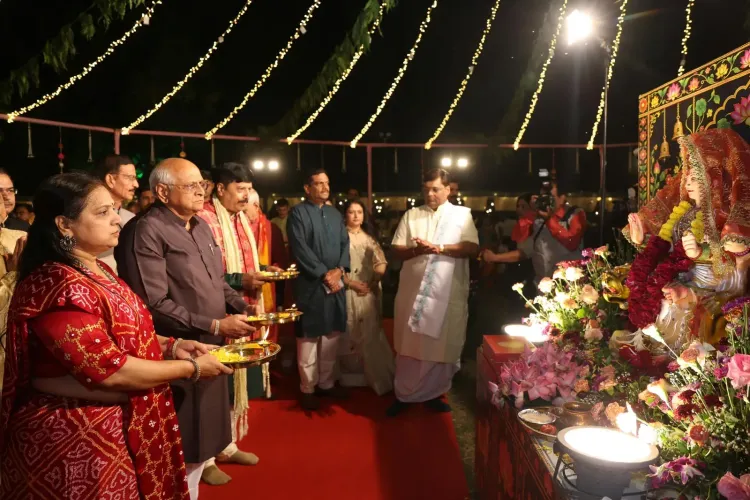
Gujarat Chief Minister Bhupendra Patel participated in the IAS Wives Welfare Association's Garba Mahotsav in Gandhinagar on 12 October 2026, performing aarti and archana of Maa Amba during Navratri and praying for peace and prosperity for all.
Key Takeaways
CM Bhupendra Patel attended the Garba Mahotsav organised by the IAS Wives Welfare Association in Gandhinagar on 12 October 2026 .
He performed a devotional aarti and archana of Maa Amba on the occasion of Navratri .
CM Patel prayed to Jagatjanani Maa Jagdamba for happiness, peace, and prosperity for all.
The event celebrates Garba as a symbol of Gujarat's culture and devotional heritage , recognised globally including by UNESCO.
The IAS Wives Welfare Association hosts annual cultural events in Gandhinagar, the state capital.
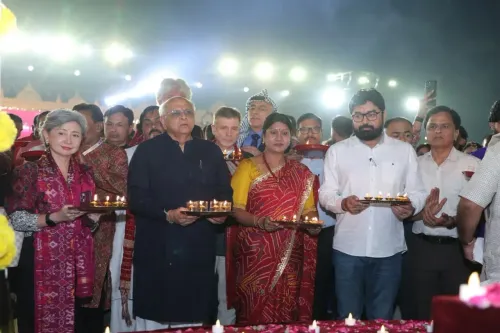
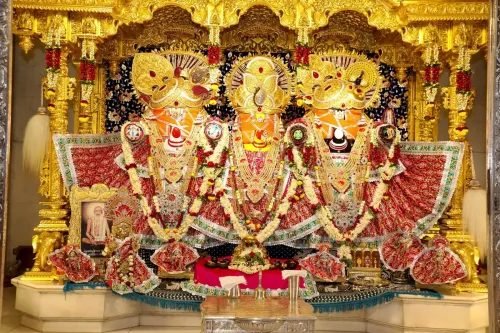
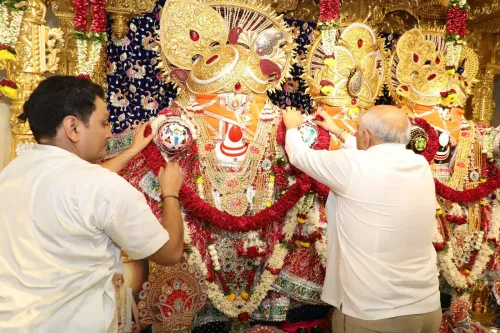
On the sacred occasion of Navratri, Gujarat Chief Minister Bhupendra Patel joined the Garba Mahotsav organised by the IAS Wives Welfare Association in Gandhinagar on Monday, 12 October 2026, offering heartfelt aarti and prayers to Maa Amba — a moment that blended the state's deepest cultural traditions with its administrative heartbeat.
Posting on X in Gujarati, CM Patel wrote that he participated in the Garba festival organised by the IAS Wives Welfare Association on the holy occasion of Navratri — the festival of worshipping Aadyashakti (the primordial divine energy) — and performed a devotional aarti and archana of Maa Amba. He offered a prayer at the feet of Jagatjanani Maa Jagdamba, seeking that the divine energy of the Garba festival — a symbol of Gujarat's culture and devotional tradition — bring happiness, peace, and prosperity to everyone's lives.
Garba as Gujarat's living cultural identity
Garba, one of India's most iconic folk traditions, reaches its peak during the nine nights of Navratri, drawing millions of devotees across Gujarat into spirited, rhythmic celebration of the divine feminine. The dance form, rooted in the worship of Shakti, was inscribed on UNESCO's Intangible Cultural Heritage list, cementing its global stature. For Gujarat's government, participation in community Garba events during Navratri carries both spiritual and symbolic weight — a public affirmation of the state's identity.
The IAS Wives Welfare Association's Gandhinagar event
The IAS Wives Welfare Association organises cultural and welfare activities in Gandhinagar, the state capital that houses Gujarat's secretariat and the residences of its senior civil servants. Its Garba Mahotsav during Navratri has become a fixture of the capital's festive calendar, drawing participation from the administrative community and its guests. CM Patel's presence — and his direct engagement in aarti — underscored the state leadership's commitment to being visible participants in the living culture they govern.
As the garba circles turn and the lamps glow through Navratri's nine nights, Gujarat's top office-holder made clear that the festivals of the people are also the festivals of those who serve them.
Point of View
State leaders appearing at Garba celebrations also speaks to the festival's transformation from a regional folk tradition into a statement of Gujarati identity with national resonance. The gesture is ceremonial, but its political optics — warmth, accessibility, cultural pride — are never incidental.
NationPress
12 Oct 2026
Frequently Asked Questions
Where did CM Bhupendra Patel attend the Garba event during Navratri 2026?
CM Bhupendra Patel attended the Garba Mahotsav organised by the IAS Wives Welfare Association in Gandhinagar, Gujarat, on 12 October 2026.
What is the IAS Wives Welfare Association?
The IAS Wives Welfare Association is an organisation in Gandhinagar that conducts cultural and welfare activities for the families of Indian Administrative Service officers posted in Gujarat.
What did CM Bhupendra Patel do at the Garba Mahotsav?
CM Patel participated in the Garba festival and performed a devotional aarti and archana of Maa Amba, praying for happiness, peace, and prosperity for all.
Why is Garba significant during Navratri in Gujarat?
Garba is the central folk dance tradition of Navratri in Gujarat, celebrating the divine feminine or Shakti across nine nights. It was inscribed on UNESCO's Intangible Cultural Heritage list, reflecting its deep cultural and spiritual importance.
When is Navratri celebrated in 2026?
Navratri in 2026 falls in October, with CM Patel's event taking place on 12 October 2026 during the nine-night festival dedicated to Goddess Amba.