Iran-US messages continue via Pakistan, Qatar mediators: Tehran
Synopsis
Iran's Foreign Ministry has confirmed that Washington and Tehran are still exchanging messages — but through mediators like Pakistan and Qatar, not directly. With Tehran accusing the US of violating the 18 June MoU and Trump claiming Iran's military is ‘gone’ without evidence, the 60-day diplomatic window is closing fast and the outcome is far from certain.
Key Takeaways
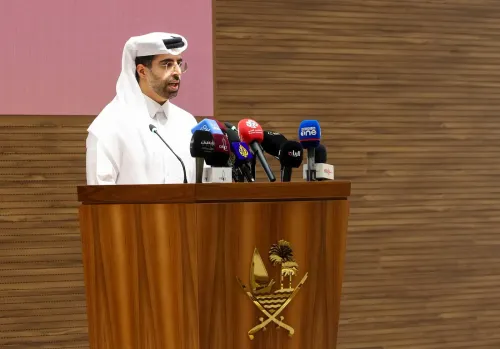
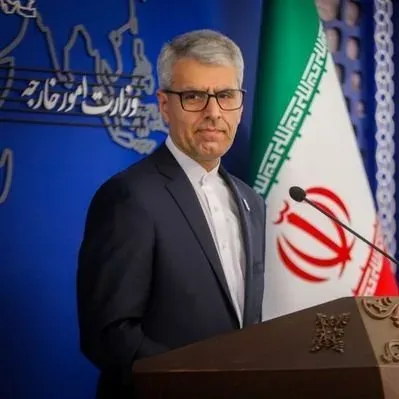
Iranian spokesman Esmaeil Baghaei confirmed on 27 July that US-Iran messages are being exchanged via mediators including Pakistan and Qatar .
Tehran accuses Washington of violating “all its provisions” under the 18 June MoU , which set a 60-day window for a final agreement.
President Donald Trump said Iran ‘would love to make a deal’ but insisted Tehran would never be permitted to acquire a nuclear weapon .
Trump claimed US military action had destroyed Iran's navy, air force, 250 jets , and 159 boats — assertions made without supporting evidence.
Renewed clashes over the past two weeks have placed the fate of the MoU talks in serious doubt.
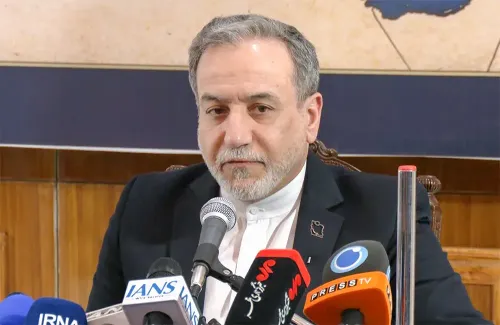
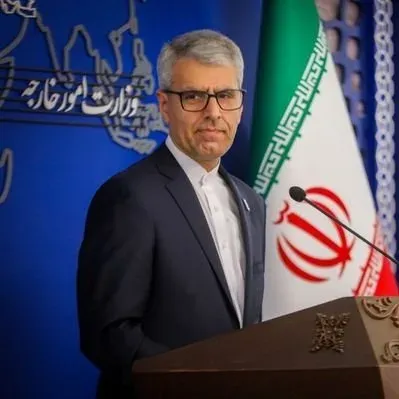
Iranian Foreign Ministry spokesman Esmaeil Baghaei confirmed on 27 July that the United States and Iran are continuing to exchange messages through third-party mediators, including Pakistan and Qatar, according to Iranian media reports citing his remarks in an interview with Austrian broadcaster ORF. The disclosure comes as the fate of a landmark diplomatic framework between the two nations remains deeply uncertain.
Iran's Conditions for Dialogue
Baghaei stressed that any meaningful dialogue requires the “proper ground” to be established first — ground he said Washington has itself undermined. He accused the United States of violating “all its provisions” under the memorandum of understanding (MoU) signed on 18 June, which had set a 60-day window for the two sides to negotiate a final agreement.
The spokesman said Iran's immediate priority “is to defend its sovereignty and territorial integrity and protect its people against the war crimes that are being perpetrated by the United States.” The framing signals that Tehran views the current phase as one of active hostility, not diplomacy.
Trump's Position: Talks Yes, Nuclear Weapon Never
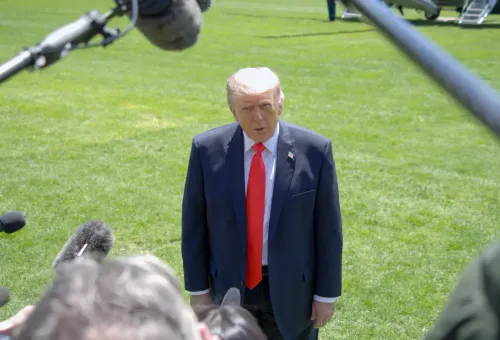
US President Donald Trump, speaking at the White House Correspondents' Dinner, offered a notably different characterisation of the state of play. “They are talking to us right now. They’d love to make a deal,” Trump said, while adding, “I don’t think they’re ready to. I don’t think it’s time yet. But I’m willing to listen.”
Trump was unequivocal on the nuclear question. “They cannot have a nuclear weapon,” he said, adding, “We don’t want to see Washington D.C. or any of our cities or Israel or, frankly, the Middle East destroyed with a nuclear weapon. And they would use it if they had it.” He described preventing Iran from obtaining nuclear capability as the central objective of US foreign policy toward Tehran.
Trump's Military Claims Draw Scrutiny
Trump also claimed that recent US military action had “significantly degraded” Iran's military capabilities, asserting that Iran's navy and air force were “gone” and that the country had lost 250 jets, 159 boats, radar systems, and much of its drone capability. “They don’t have much left,” he said. Notably, Trump offered no supporting evidence for these figures during his remarks, and the claims have not been independently verified.
The MoU and What Hangs in the Balance
The 18 June MoU had charted a structured path toward a final agreement, with talks to be concluded within 60 days. However, renewed tensions over the past two weeks have thrown that timeline into doubt. The use of Pakistan and Qatar as back-channel intermediaries suggests both sides are maintaining a thread of communication even as public positions harden. This is consistent with a pattern seen in earlier phases of Iran-US diplomacy, where indirect channels have often outlasted formal frameworks.
With the 60-day window narrowing and both sides publicly staking out firm positions, the next few weeks will be critical in determining whether the MoU survives as a viable diplomatic instrument or becomes another casualty of US-Iran mistrust.
Point of View
It has preceded both breakthroughs and collapses. What stands out here is the asymmetry: Trump is speaking in the language of military victory and dealmaking leverage, while Tehran is speaking in the language of sovereignty and war crimes. Those are not easily bridged by Pakistani or Qatari intermediaries. The unverified claim of destroying 250 jets and 159 boats also deserves scrutiny — if accurate, it would represent one of the most significant military degradations in recent Middle East history; if inflated, it risks hardening Iranian domestic opinion against any agreement. The 60-day MoU clock is the real story, and mainstream coverage is underweighting how little time remains.
NationPress
25 Oct 2026
Frequently Asked Questions
What did Iran's Foreign Ministry say about US-Iran talks?
Iranian Foreign Ministry spokesman Esmaeil Baghaei confirmed on 27 July that the US and Iran are exchanging messages through mediators, including Pakistan and Qatar. He added that for formal dialogue to resume, the 'proper ground' must first be established — ground he said the US has undermined.
What is the 18 June MoU between the US and Iran?
The MoU signed on 18 June set a 60-day framework for the United States and Iran to hold talks and reach a final agreement. Tehran has accused Washington of violating all its provisions under the memorandum, casting serious doubt on the timeline.
What is Donald Trump's stated position on Iran?
Trump has said Iran is engaged in talks and 'would love to make a deal,' but has been firm that Tehran will never be allowed to acquire a nuclear weapon. He described preventing Iranian nuclear capability as the central objective of US policy toward the country.
What military claims did Trump make about Iran?
Trump claimed US military action had destroyed Iran's navy and air force, along with 250 jets, 159 boats, radar systems, and much of its drone capability. He offered no supporting evidence for these figures during his remarks, and the claims have not been independently verified.
Why are Pakistan and Qatar involved in US-Iran diplomacy?
Pakistan and Qatar have historically served as back-channel intermediaries between Washington and Tehran when direct communication breaks down. Their involvement suggests both sides are maintaining a line of contact even as formal talks remain stalled and public rhetoric hardens.