Anurag Thakur invokes Valmiki's Ramayana on social harmony
Synopsis
BJP MP Anurag Thakur marked Maharshi Valmiki Jayanti by reflecting on the Ramayana's lessons of social harmony, citing Ram's acceptance of Mata Shabari and friendship with Nishadraj as timeless ideals of inclusive leadership. The post was tagged #MannKiBaat.
Key Takeaways
BJP MP Anurag Thakur posted on 25 October 2026 marking Maharshi Valmiki Jayanti with reflections on the Ramayana's social values.
Thakur highlighted two specific Ramayana episodes: Ram accepting Mata Shabari's berries and honouring friendship with Nishadraj , the tribal chieftain.
The post emphasised values of 'seva, karuna aur samajik samrasta' — service, compassion and social harmony — drawn from Maharshi Valmiki's original text.
The post was tagged #MannKiBaat , linking the message to PM Modi's outreach programme and its audience.
Both Shabari and Nishadraj are figures from marginalised communities, making their inclusion in Thakur's message a pointed statement on social equality.
BJP leaders have consistently invoked these same Ramayana figures around Valmiki Jayanti to underline the party's inclusive cultural narrative.
On the occasion of Maharshi Valmiki Jayanti, BJP MP Anurag Thakur turned to one of India's oldest epics to draw a lesson that feels pointedly contemporary — that true leadership means leaving no one behind. In a post on X on Sunday, 25 October 2026, the Hamirpur MP reflected on the Ramayana's enduring values of service, compassion, and social harmony.
Thakur wrote — 'महर्षि वाल्मीकि ने रामायण के माध्यम से हमें जीवन की गहरी सीख दी है' — ('Maharshi Valmiki has given us deep lessons for life through the Ramayana') — anchoring his message in the sage's original vision before turning to specific scenes from the epic that illustrate it. The post was tagged #MannKiBaat, linking the reflection to Prime Minister Narendra Modi's long-running radio and outreach programme.
Shabari's berries and Nishadraj's boat — the moments Thakur chose
Two episodes from the Ramayana carry most of the weight in Thakur's post. First, Mata Shabari — the tribal devotee whose tasted berries Bhagwan Ram accepted with affection, a gesture that erases the social distance between a king and a marginalised woman in a single, luminous act. Second, Nishadraj (also known as Guha), the tribal chieftain who ferried Ram across the Ganga and is remembered as a friend, not a servant.
Together, the two figures make a precise argument: that Ram's greatness lay not just in military victory but in the company he kept and the dignity he extended to those society might have overlooked. Thakur's framing — 'the spirit of moving forward together' — draws a straight line from these ancient scenes to a present-day political vocabulary of inclusive development.
Valmiki Jayanti and the BJP's cultural messaging pattern
Maharshi Valmiki, revered as the 'Adi Kavi' (first poet), is traditionally credited with composing the Sanskrit Ramayana. His Jayanti is observed on the full moon of the Hindu month of Ashwin — a date of particular significance for Scheduled Caste communities, as Valmiki is a venerated figure in the Valmiki Panth tradition followed by millions across northern India and the diaspora.
BJP leaders have consistently used Valmiki Jayanti to reinforce a narrative of cultural continuity and social inclusion drawn from classical texts. References to Shabari and Nishadraj are recurring touchstones in this messaging — both figures are from communities historically placed outside upper-caste hierarchies, and Ram's acceptance of each is cited as the epic's own argument against social exclusion. For a party that has made 'sabka saath, sabka vikas' (together with all, development for all) a governing slogan, the choice of these two figures over, say, a battlefield episode, is deliberate and legible.
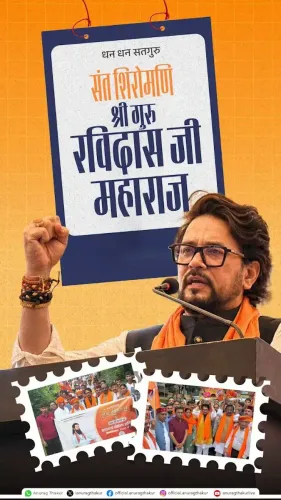
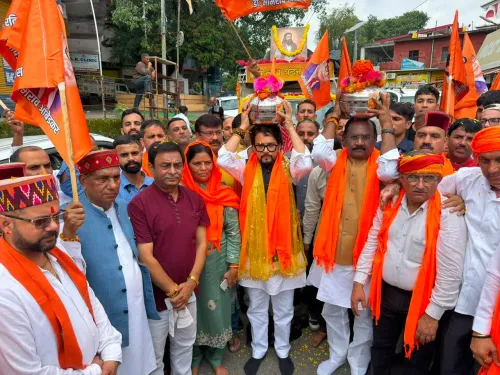
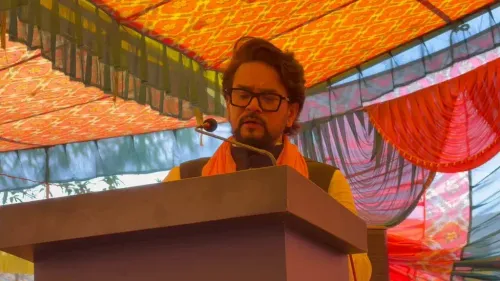
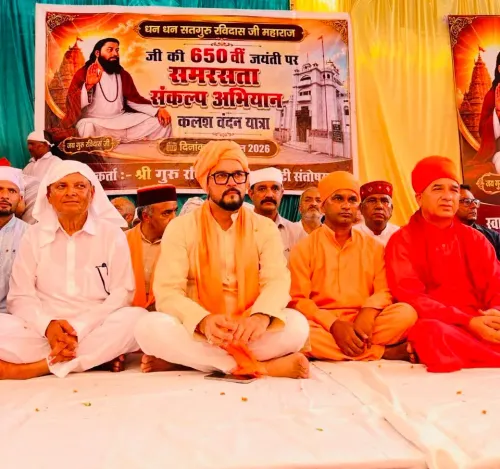
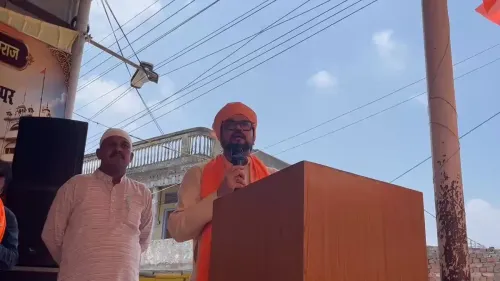
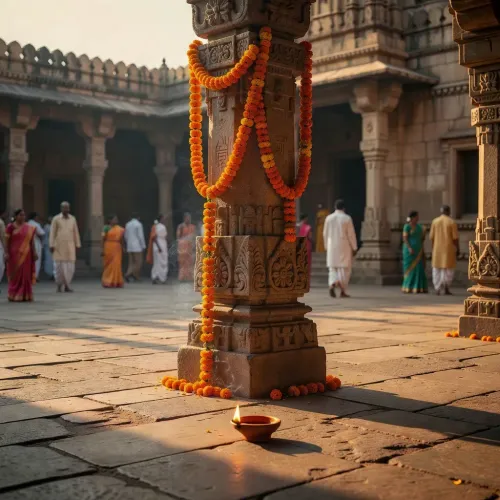
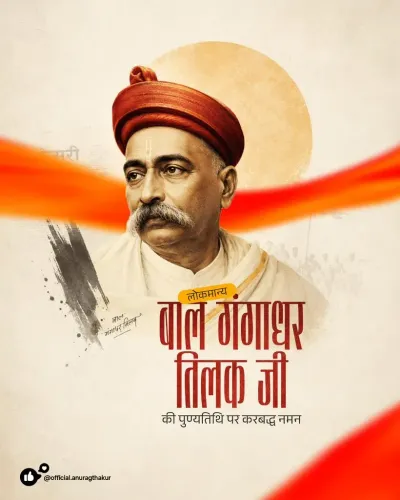
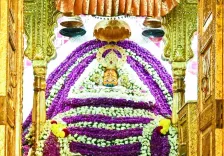
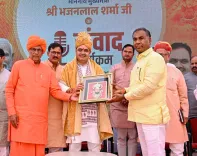
Thakur's post arrived with two images attached — suggesting a designed, considered communication rather than an offhand remark — and the #MannKiBaat tag amplifies the message's reach into the programme's established listener base.
Valmiki's lesson, as Thakur reads it: the ideal of 'sab ko saath lekar chalna' — bringing everyone along — is not a modern political invention. It is, he argues, as old as the first poem ever written in Sanskrit.
Point of View
Lending it both emotional depth and civilisational authority. Invoking the Ramayana on Valmiki Jayanti, a date with specific resonance among Scheduled Caste Valmiki Panth communities, is a signal aimed well beyond general audiences. The #MannKiBaat tag is equally deliberate, folding a cultural reflection into the Prime Minister's communication ecosystem and reinforcing the idea that these values flow from the top. Taken together, the post illustrates how the BJP weaves electoral outreach, cultural identity, and welfare messaging into a single, largely symbol-driven idiom.
NationPress
25 Oct 2026
Frequently Asked Questions
Why did Anurag Thakur post about Valmiki and the Ramayana?
Anurag Thakur posted on 25 October 2026 to mark Maharshi Valmiki Jayanti , using the occasion to reflect on the Ramayana's lessons of social harmony, compassion, and inclusive leadership as embodied by Bhagwan Ram .
Who are Mata Shabari and Nishadraj in the Ramayana?
Mata Shabari is a tribal devotee who offered Ram tasted berries as an act of pure devotion, which Ram accepted lovingly. Nishadraj (also known as Guha) is a tribal chieftain who ferried Ram across the Ganga and is remembered as his friend — both figures symbolise Ram's rejection of social hierarchy.
What is the significance of #MannKiBaat in Thakur's post?
By tagging #MannKiBaat , Thakur linked his cultural reflection to Prime Minister Modi's radio and outreach programme, amplifying the message through an established and wide-reaching communication platform.
Why does the BJP frequently reference Shabari and Nishadraj?
Both figures in the Ramayana come from communities placed outside dominant social hierarchies. BJP leaders cite Ram's warmth toward them as ancient scriptural evidence of inclusive social ideals, aligning with the party's 'sabka saath, sabka vikas' (together with all, development for all) political messaging.
What is Valmiki Jayanti and why is it significant?
Valmiki Jayanti celebrates Maharshi Valmiki , the sage traditionally credited with composing the Sanskrit Ramayana and revered as 'Adi Kavi' (the first poet). It holds special significance for Scheduled Caste communities who follow the Valmiki Panth tradition, making it an important date in both religious and political calendars.