Iran's NPT withdrawal hinges on US behavior, security chief warns
Synopsis
Iran's top security official has raised the spectre of an NPT withdrawal — one of the most consequential threats in modern nuclear diplomacy — while insisting the decision rests entirely on Washington's next moves. With Trump heading to the UN General Assembly and the June MoU deadline already blown, the window for a diplomatic resolution is narrowing fast.
Key Takeaways
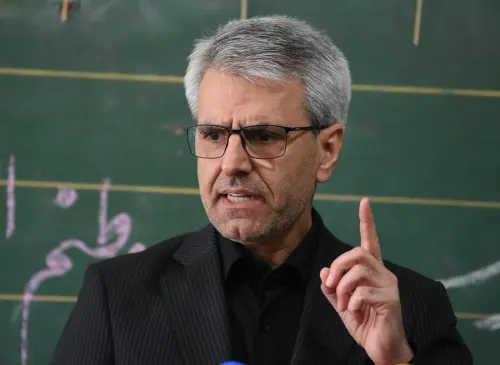
Mohsen Rezaei , Secretary of Iran's Supreme National Security Council , said on 20 September 2026 that Iran has not decided whether to withdraw from the NPT .
Any NPT decision will depend on US behavior , Rezaei warned, citing Iran's conditions: end of hostilities, release of frozen assets, and lifting of the naval blockade.
A US-Iran MoU signed on 18 June set a 60-day deadline for a final agreement; that deadline expired on 17 August without resolution.
Israel and the US launched joint strikes on Tehran on 28 February ; Iran retaliated with missile and drone attacks and tightened control of the Strait of Hormuz .
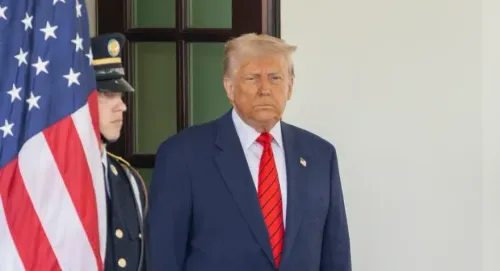
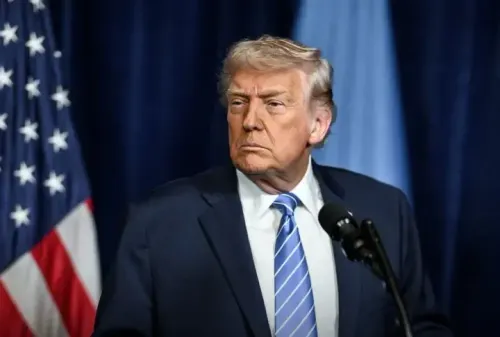
President Trump will address the UN General Assembly on Tuesday and meet Gulf Cooperation Council leaders, with Iran as a central topic.
Consultations with Qatari and Pakistani mediators are continuing, according to Rezaei.
Iran has not yet made a decision on withdrawing from the Treaty on the Non-Proliferation of Nuclear Weapons (NPT), but any such move will be determined by Washington's conduct, a senior Iranian security official said on Saturday, 20 September 2026. The warning adds a new layer of urgency to already fraught nuclear diplomacy as US President Donald Trump prepares to address the United Nations General Assembly next week with Iran squarely in focus.
What the Security Chief Said
Mohsen Rezaei, Secretary of Iran's Supreme National Security Council, said in an interview that Tehran remains bound by a religious decree issued by the late Supreme Leader Ali Khamenei prohibiting the development of atomic weapons. However, he left the door open to a policy shift, stating, 'We do not know what will happen in the future.'
Rezaei outlined Iran's conditions for ending the war: a halt to hostilities on all fronts, the release of frozen Iranian assets, and the lifting of what he described as an anti-Iran naval blockade. He stressed it is in Washington's interest to accept these terms.
Mediation Efforts and Stalled Talks
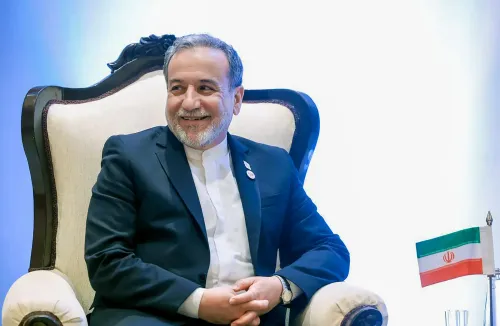
Rezaei confirmed that consultations with Qatari and Pakistani mediators are ongoing, and that Iran has formally conveyed its conditions for negotiations with the United States through these channels. The mediation track has gained importance following a breakdown in direct progress.
On 18 June, the United States and Iran signed a memorandum of understanding (MoU) aimed at ending hostilities across all fronts. The agreement set a 60-day window — expiring on 17 August — for the two sides to reach a final accord. According to reports, that deadline passed without resolution, and a series of subsequent escalations has left the talks' fate deeply uncertain.
The Military Backdrop
The diplomatic impasse follows a sharp military escalation earlier this year. On 28 February, Israel and the United States launched joint strikes on Tehran and other Iranian cities. Iran responded with waves of missile and drone attacks targeting Israel and US military bases and assets across the region, and moved to tighten its grip on the Strait of Hormuz — a chokepoint through which a significant share of global oil supplies transit.
Trump's UN Diplomacy and Gulf Talks
President Trump is set to address the UN General Assembly on Tuesday before holding talks with leaders of the Gulf Cooperation Council (GCC) in New York. US officials confirmed Iran would be a central subject of discussion and warned of further consequences for entities doing business with Tehran. It remains unconfirmed whether Trump or other senior US representatives will hold direct talks with Iranian officials on the sidelines.
What Is at Stake
An Iranian withdrawal from the NPT would represent one of the most significant ruptures in the global nuclear non-proliferation architecture since North Korea exited the treaty in 2003. It would remove international legal constraints on Tehran's nuclear programme and almost certainly accelerate calls for military action. The threat, even if not yet acted upon, functions as leverage in an ongoing negotiation where Iran believes it holds critical cards — particularly control of the Strait of Hormuz.
All eyes now turn to the margins of the UN General Assembly, where back-channel contacts between Washington and Tehran will be closely watched for any signal of a diplomatic off-ramp.
Point of View
Which means the escalation ladder has fewer rungs left. For India — dependent on Gulf oil, deeply invested in Iran's Chabahar connectivity, and strategically exposed to any Strait of Hormuz disruption — the diplomatic failure in New York next week would carry direct economic and security consequences far beyond the bilateral US-Iran frame.
NationPress
20 Sept 2026
Frequently Asked Questions
Has Iran decided to withdraw from the NPT?
No. As of 20 September 2026, Iran has not decided to withdraw from the Treaty on the Non-Proliferation of Nuclear Weapons. Senior security official Mohsen Rezaei said the decision will depend on how the United States behaves going forward.
What are Iran's conditions for ending the conflict with the US?
Iran has stated three core conditions: an end to hostilities on all fronts, the release of frozen Iranian assets, and the lifting of what it describes as an anti-Iran naval blockade. Rezaei said it is in Washington's interest to accept these terms.
What was the US-Iran MoU signed in June 2026?
On 18 June 2026, the United States and Iran signed a memorandum of understanding aimed at ending regional hostilities. It gave both sides a 60-day window — until 17 August — to reach a final agreement, but the talks' outcome remains unclear following subsequent escalations.
What military escalation preceded the current diplomatic standoff?
On 28 February 2026, Israel and the United States launched joint strikes on Tehran and other Iranian cities. Iran responded with missile and drone attacks on Israel and US military assets in the region, and moved to tighten its control over the Strait of Hormuz.
What is Trump expected to do at the UN General Assembly regarding Iran?
President Trump is scheduled to address the UN General Assembly on Tuesday and then meet Gulf Cooperation Council leaders in New York, with Iran as a central subject of discussion. US officials have warned of further consequences for entities doing business with Tehran, but it is unconfirmed whether direct US-Iran talks will occur.