Rajasthan CM: 25 Lakh Women Trained, 20 Lakh Lakhpati Didis via Rajeevika
Synopsis
The Rajasthan Chief Minister's Office announced on 4 November 2026 that the Rajeevika programme has trained 25 lakh women in the state and helped over 20 lakh achieve Lakhpati Didi status, citing alignment with the national DAY-NRLM framework under CM Bhajanlal Sharma.
Key Takeaways
25 lakh women in Rajasthan have received training through the Rajeevika programme, per the CMO's post dated 4 November 2026 .
More than 20 lakh women have achieved Lakhpati Didi status — meaning annual household income of at least Rs 1 lakh — through the scheme.
Rajeevika is Rajasthan's state arm of the Deendayal Antyodaya Yojana-National Rural Livelihoods Mission (DAY-NRLM) , launched centrally in 2011 .
The Lakhpati Didi designation was introduced nationally in 2023 with a target of three crore such women across India by 2025-26 .
CM Bhajanlal Sharma , in office since December 2023 , was directly tagged, framing the milestone as part of his administration's rural development record.
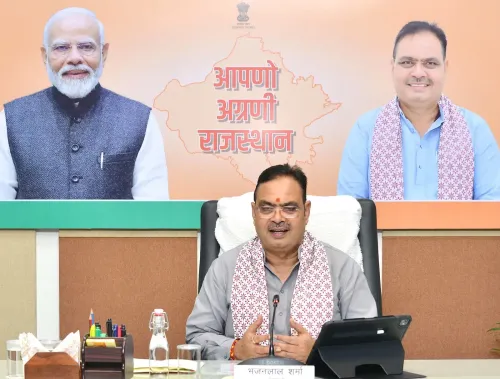
Twenty lakh rural women in Rajasthan have crossed the annual income threshold of Rs 1 lakh — and the state's flagship livelihood mission is claiming the credit. The Chief Minister's Office of Rajasthan posted on Wednesday, 4 November 2026, citing the scale of achievements under the Rajeevika programme and directly tagging Chief Minister Bhajanlal Sharma.
The post stated: 'Rajeevika ke maadhyam se pradesh mein, 25 lakh mahilaon ko prashikshan diya gaya hai tatha 20 lakh se adhik mahilaen Lakhpati Didi ban chuki hain' — 'Through Rajeevika, 25 lakh women in the state have been trained and more than 20 lakh women have become Lakhpati Didis.' The hashtag #AapnoAgrani_Rajasthan (Our Pioneering Rajasthan) frames this as a state-pride milestone.
What Rajeevika actually does on the ground
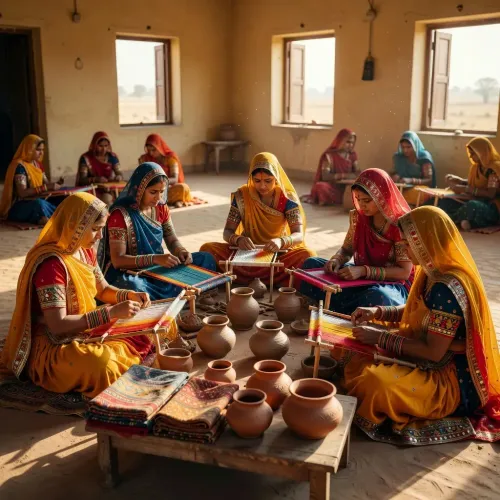
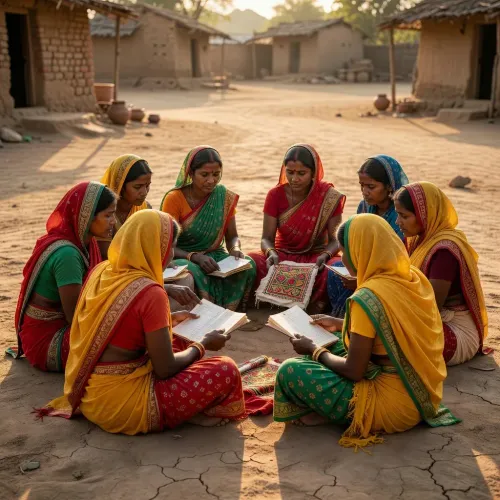
Rajeevika — formally the Rajasthan Grameen Aajeevika Vikas Parishad — is Rajasthan's state-level implementation of the Deendayal Antyodaya Yojana-National Rural Livelihoods Mission (DAY-NRLM), the central framework launched in 2011 to build women's self-help groups (SHGs) and connect them to credit, skilling, and micro-enterprise opportunities. The state apparatus works in parallel with the central mission, training SHG members in vocational skills, financial literacy, and market linkages so that household incomes become sustainable rather than seasonal.
The Lakhpati Didi designation, introduced nationally in 2023 under DAY-NRLM, recognises women in SHGs whose households achieve at least Rs 1 lakh in annual income through the programme. The national target set at launch was three crore Lakhpati Didis across all states by 2025-26 — making Rajasthan's reported figure of over 20 lakh a significant slice of that ambition.
Bhajanlal Sharma's bet on women-led rural growth
CM Bhajanlal Sharma, who took office in December 2023, has consistently positioned women's SHG expansion as a pillar of his administration's rural development record. Tagging him directly in this post signals that the government intends these numbers to travel as political and administrative capital — not just bureaucratic reporting. Rajasthan has a large rural population where SHG-based income programmes carry both economic and electoral weight.
The broader pattern across Indian states shows that governments competing on DAY-NRLM delivery metrics tend to announce cumulative training and income figures ahead of budget cycles and state assembly sessions — a cadence that makes today's post worth watching as a signal of forthcoming policy commitments or budget allocations for Rajeevika.
Twenty lakh women in Rajasthan who once fell below the Lakhpati threshold now reportedly sit above it. If those numbers hold scrutiny, the story of rural Rajasthan's women is rewriting itself — one self-help group at a time.
Point of View
Blurring the line between administration and campaigning. The numbers, if verified independently, would represent a genuine structural shift in rural women's incomes — but the absence of third-party corroboration warrants cautious reading.
NationPress
4 Nov 2026
Frequently Asked Questions
What is the Lakhpati Didi scheme in Rajasthan?
The Lakhpati Didi scheme is a national initiative under DAY-NRLM that recognises women in self-help groups whose households earn at least Rs 1 lakh annually. In Rajasthan, the state's Rajeevika programme implements this goal, and the government claims over 20 lakh women have achieved this status.
What is Rajeevika in Rajasthan?
Rajeevika, formally the Rajasthan Grameen Aajeevika Vikas Parishad, is Rajasthan's state-level implementation of the central Deendayal Antyodaya Yojana-National Rural Livelihoods Mission (DAY-NRLM). It organises rural women into self-help groups and provides skilling, credit access, and market linkages.
How many women have been trained under Rajeevika in Rajasthan?
According to a post by the Chief Minister's Office of Rajasthan on 4 November 2026, 25 lakh women in the state have been trained through the Rajeevika programme.
Who is Bhajanlal Sharma and what is his role in Rajeevika?
Bhajanlal Sharma is the BJP Chief Minister of Rajasthan who took office in December 2023. He oversees the state-level implementation of rural development schemes including Rajeevika, and was directly tagged by the CMO when announcing the latest Lakhpati Didi milestone.
What is the national target for Lakhpati Didi across India?
The national government set a target of creating three crore Lakhpati Didis across all states by 2025-26 when the initiative was introduced in 2023 under DAY-NRLM.