Iran-US talks at deadlock: Khamenei advisor demands Trump act independently of Israel
Synopsis
Iran's top military advisor has declared US-Iran talks deadlocked and put three demands on Trump's desk: act without Israeli influence, lift the Hormuz blockade, and release frozen Iranian assets. With Pakistan holding the mediation thread and fresh strikes continuing around Hormuz, the window for a deal is narrowing fast.
Key Takeaways
Mohsen Rezaei , military advisor to Supreme Leader Mojtaba Khamenei , declared US-Iran negotiations are at a deadlock as of 6 June .
Rezaei demanded Trump release Iran's frozen assets , calling it 'a test America must pass.' A direct meeting between Trump and Khamenei was ruled out by Rezaei: 'This will not happen.' Iran has barred Israeli- and US-affiliated vessels from the Strait of Hormuz since 28 February ; the US imposed a counter-blockade.
A ceasefire between Iran, the US, and Israel took effect on 8 April after 40 days of fighting; Pakistan is mediating ongoing peace talks.
Rezaei warned Iran would 'drag the war' beyond the Persian Gulf if the US resumes conflict.
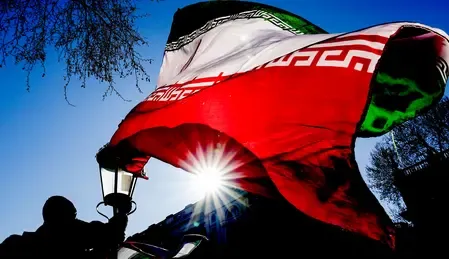
A senior military advisor to Iran's Supreme Leader Mojtaba Khamenei has declared that US-Iran nuclear negotiations are at a standstill, calling on US President Donald Trump to break the impasse — independently of Israeli influence — lift the blockade on the Strait of Hormuz, and release Iran's frozen assets. The remarks, made in Tehran on 6 June, signal deepening frustration within Iran's leadership over the pace of diplomacy.
Key Statements from Rezaei
Mohsen Rezaei, former chief commander of Iran's Islamic Revolutionary Guard Corps (IRGC) and current military advisor to the Supreme Leader, told CNN in an exclusive interview that 'the negotiations between the two sides are at a deadlock and Trump must break this deadlock.' He framed the release of frozen Iranian assets as a litmus test: 'This is a test that America must pass, and the path will be opened,' he said.
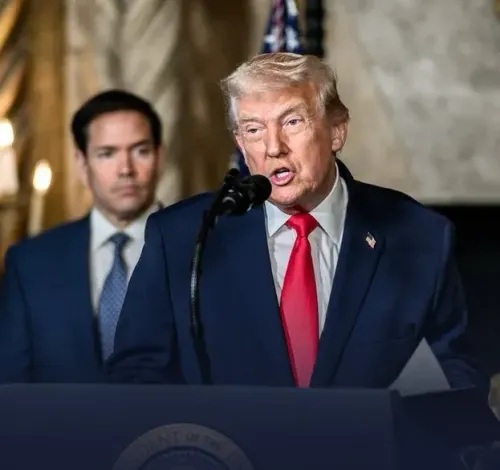
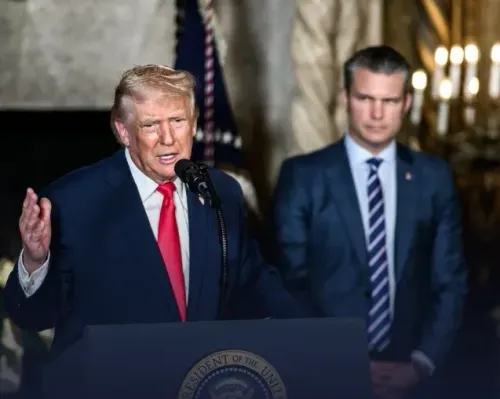
Rezaei also flatly rejected any prospect of a direct meeting between Trump and Khamenei. 'This will not happen. Right now, we are in the first stage of negotiations, and Mr Trump has brought the negotiations to a standstill,' he said. His remarks came a day after Trump told reporters he would be open to such a meeting if a peace deal were reached first.
The Strait of Hormuz Standoff
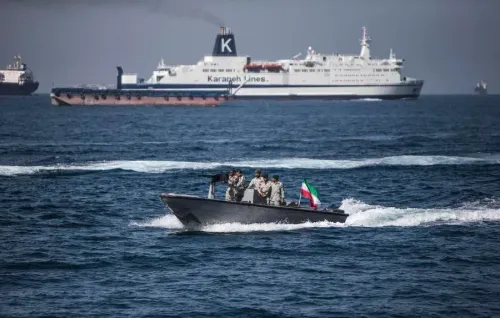
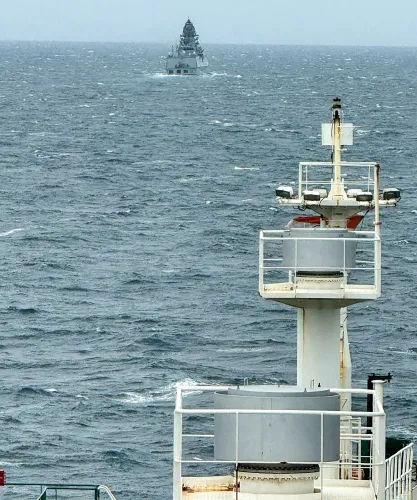
The strategic waterway remains a flashpoint. Iran tightened its grip on the Strait of Hormuz from 28 February, barring safe passage of vessels belonging to or affiliated with Israel and the United States, following their joint strikes on Iran. Washington, in turn, imposed a naval blockade on the strait, preventing ships travelling to and from Iranian ports from transiting the waterway.
Rezaei warned that if the United States resumes hostilities, Iran would 'drag the war' beyond the Persian Gulf — a statement that underscores Tehran's willingness to escalate regionally. Tensions reportedly continued with fresh exchanges of strikes in recent days.
Background: Pakistan-Mediated Diplomacy
The current diplomatic track was initiated following a ceasefire that took effect on 8 April, after 40 days of fighting between Iran, the United States, and Israel. Pakistan has been serving as a mediator between Tehran and Washington. According to reports, both sides have exchanged several proposed plans over recent weeks, outlining conditions for peace, and are working to finalise a memorandum of understanding to end the war.
Notably, this marks one of the most structured diplomatic engagements between Iran and the United States in years — yet the gap over asset releases and Hormuz access suggests the two sides remain far from a durable settlement.
What Comes Next
The ball, according to Rezaei, is firmly in Washington's court. Whether Trump moves to release frozen assets or ease the Hormuz blockade will determine whether talks advance or collapse entirely. With Pakistan's mediation holding the process together, any unilateral escalation by either side risks derailing the fragile diplomatic framework built since the April ceasefire.
Point of View
Hormuz access, Israeli independence) are not new, but stating them simultaneously on CNN signals that Tehran believes the current track is failing and wants to reset the terms publicly. What mainstream coverage underplays is the structural problem: Pakistan's mediation is holding a fragile ceasefire together, but neither Washington nor Tehran has shown willingness to make the first concession. As long as the Hormuz blockade and the asset freeze remain linked, every round of talks is likely to end where this one did — at a deadlock.
NationPress
15 Sept 2026
Frequently Asked Questions
Why are Iran-US negotiations at a deadlock?
According to Mohsen Rezaei, military advisor to Iran's Supreme Leader, the talks have stalled because the US has not released Iran's frozen assets or lifted its naval blockade on the Strait of Hormuz. Rezaei stated on 6 June that Trump has 'brought the negotiations to a standstill.'
Who is Mohsen Rezaei and why do his statements matter?
Mohsen Rezaei is the former chief commander of Iran's Islamic Revolutionary Guard Corps (IRGC) and currently serves as military advisor to Supreme Leader Mojtaba Khamenei. His statements carry significant weight as a direct signal of the Supreme Leader's position on the negotiations.
What is the current status of the Strait of Hormuz?
Iran has barred safe passage of Israeli- and US-affiliated vessels through the Strait of Hormuz since 28 February, following joint US-Israeli strikes on Iran. The United States has imposed a counter-blockade, preventing ships bound for Iranian ports from using the waterway.
Is a meeting between Trump and Khamenei possible?
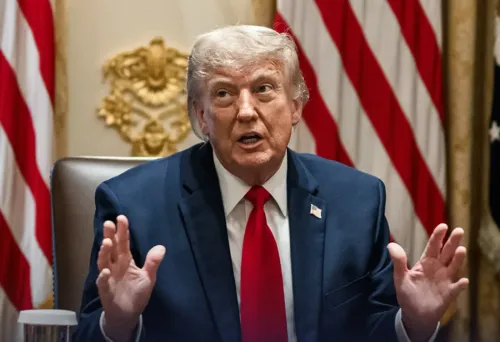
Rezaei explicitly ruled it out, saying 'This will not happen' and noting that talks are still at an early stage. Trump had told reporters on Thursday he would be open to such a meeting if a peace deal were first reached.
What role is Pakistan playing in Iran-US talks?
Pakistan is serving as a mediator between Tehran and Washington following the ceasefire that took effect on 8 April after 40 days of fighting. Both sides have reportedly exchanged several proposed peace plans through Pakistan's mediation and are working toward a memorandum of understanding.