Trump says Iran won't accept deal terms as 60-day talks deadline expires
Synopsis
The 60-day US-Iran negotiating window has expired with both sides immovable. Trump claims 'total control' of the Strait of Hormuz and floated making it a US territory, while Iran's IRGC dismissed his backchannel claims as a 'delusion' — a combination that signals the diplomatic track is now effectively frozen, with unpredictable consequences for global oil markets.
Key Takeaways
President Trump stated on Monday that Iran wants a deal but refuses to accept the terms he considers necessary.
A 60-day negotiating period between the US and Iran expired on Monday with no agreement reached.
Trump claimed the US has 'total control' over the Strait of Hormuz via a naval blockade and floated declaring it a US territory.
IRGC spokesperson Hossein Mohebbi called Trump's backchannel claims a 'delusion,' denying any ongoing dialogue.
Iran's diplomatic apparatus has reportedly suspended talks with Washington, citing a 'breach of promises' by the US.
Oman , reportedly mediating on the strait issue, received a pointed warning from Trump.
US President Donald Trump declared on Monday that Iran is unwilling to agree to the kind of nuclear deal he considers necessary, even as Tehran has signalled a desire to reach an agreement with Washington. His remarks came as a 60-day negotiating window between the two sides formally expired, with both nations holding firm on their respective positions.
Trump's Position on Iran Nuclear Talks
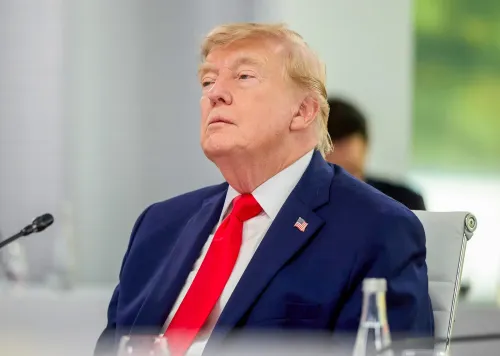
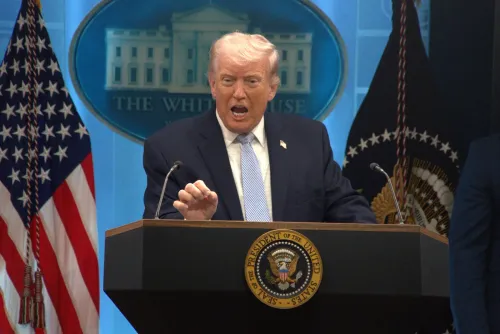
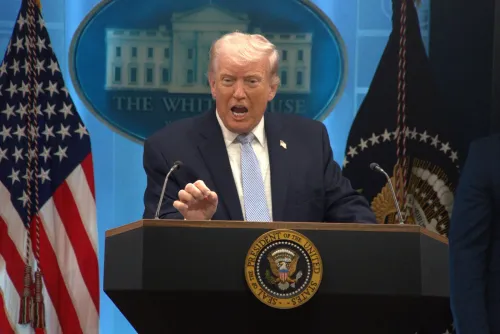
'They want to make a deal, but they're not going to make the kind of a deal that I feel is necessary,' Trump told reporters at the White House on Monday. He offered no specifics on the current state of negotiations, but reiterated that preventing Iran from acquiring a nuclear weapon remained Washington's core objective. 'You understand that Iran cannot have a nuclear weapon, and they won't have a nuclear weapon,' he said. 'It's very simple. They can't have a nuclear war.'
Trump Claims 'Total Control' Over Strait of Hormuz
In a striking escalation of rhetoric, Trump claimed that the United States had achieved 'total control' over the Strait of Hormuz through a naval blockade against all Iranian ports. He went further, repeatedly floating the idea of formally declaring the strategic waterway a US territory. 'We control it (the strait) with the blockade. And I like the idea of declaring it a territory,' Trump said. 'We have total control over the Strait now.' The Strait of Hormuz is one of the world's most critical oil shipping lanes, through which roughly 20% of global petroleum trade passes.
Warning to Oman Over Reported Mediation Effort
Oman has reportedly been working with Iran on a plan to reopen the strait and place it under joint control of the two nations. Trump issued a pointed warning, saying: 'I don't think they behaved very well, but we'd handle them very easily, just like we do others.' The remarks drew attention given Oman's traditional role as a back-channel intermediary between Washington and Tehran in past diplomatic episodes.
Iran's IRGC Rejects Backchannel Claims
Iran's Islamic Revolutionary Guard Corps (IRGC) flatly denied Trump's assertion that a backchannel for talks exists between Washington and the IRGC. IRGC spokesperson Hossein Mohebbi, speaking to the semi-official Tasnim news agency, called Trump's claim a 'delusion,' stating that no dialogue was taking place between IRGC officials and American counterparts. Mohebbi added that Iran's broader diplomatic apparatus had also suspended negotiations with the United States, citing Washington's 'breach of promises' as the reason. This comes amid a pattern of mutual accusations that have stalled multiple rounds of indirect diplomacy over the past several years.
What Happens Next
With the 60-day ceasefire period now over and no agreement in sight, the diplomatic standoff enters a more uncertain phase. Both sides have shown no willingness to soften their core demands — Washington insisting on Iran's full nuclear rollback, and Tehran pointing to what it describes as American bad faith. Analysts warn that the collapse of even backchannel contacts raises the risk of miscalculation in the strategically vital Persian Gulf region.
Point of View
But the more alarming detail is the IRGC's categorical denial of any backchannel — because backchannels are typically what prevent miscalculation when official talks stall. Trump's Strait of Hormuz rhetoric, whether tactical bluster or genuine intent, raises the stakes for every oil-importing nation, India included, which sources a significant share of its crude from the Gulf. The warning to Oman is particularly notable: Muscat has historically been the one channel both sides trusted, and undermining that relationship narrows the diplomatic space considerably.
NationPress
2 Oct 2026
Frequently Asked Questions
Why did the US-Iran nuclear talks fail to produce a deal?
The 60-day negotiating period ended on Monday with both sides unwilling to move on their core positions. Trump stated Iran wants an agreement but refuses to accept the terms he considers necessary, while Iran's side cited Washington's 'breach of promises' as the reason its diplomatic apparatus suspended talks.
What did Trump say about the Strait of Hormuz?
Trump claimed the United States has 'total control' over the Strait of Hormuz through a naval blockade of Iranian ports. He also repeatedly floated the idea of formally declaring the strait a US territory, though no official policy move was announced.
Did the IRGC confirm backchannel talks with the US?
No. IRGC spokesperson Hossein Mohebbi called Trump's claim of a backchannel 'a delusion,' stating categorically that no dialogue is taking place between IRGC officials and American counterparts.
Why did Trump warn Oman?
Oman is reportedly working with Iran on a plan to reopen the Strait of Hormuz and keep it under joint Omani-Iranian control. Trump said Oman 'did not behave very well' and suggested the US would 'handle them very easily,' a pointed warning to a country that has traditionally served as a quiet mediator between Washington and Tehran.
What are the implications for global oil markets?
The Strait of Hormuz is a critical chokepoint for global petroleum trade. A prolonged standoff, combined with a US naval blockade and the collapse of diplomatic contacts, raises the risk of supply disruptions that could affect oil prices worldwide, with particular consequences for major importers like India.