Iran reviewing US proposals as Pakistan mediates nuclear talks
Synopsis
Back-channel diplomacy between Iran and the US is quietly intensifying — Iran has tabled a 14-point plan, Washington has responded with a counter-draft, and a Pakistani mediator is in Tehran trying to bridge the gap. With the Strait of Hormuz still contested and a naval blockade in force, the stakes of failure are global.
Key Takeaways
Iran confirmed on 21 May that message exchanges with the US are continuing via a Pakistani mediator .
Tehran submitted a 14-point plan ; Washington has since sent a new draft proposal in response.
Iran's core demands include release of frozen assets and an end to US actions against Iranian shipping.
Iran and Oman are working on a security mechanism for the Strait of Hormuz .
A ceasefire between Iran, the US, and Israel was reached on 8 April after 40 days of fighting; direct talks in Islamabad on 11–12 April failed to yield a deal.
President Masoud Pezeshkian said on X that “all paths remain open” but warned coercion would not force Iran to surrender.
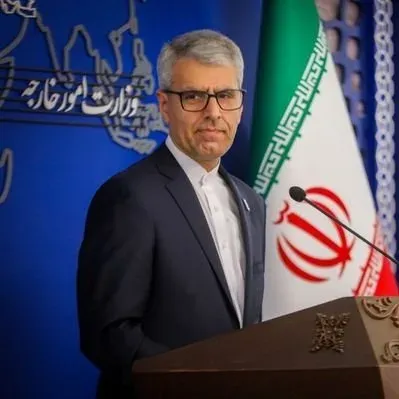
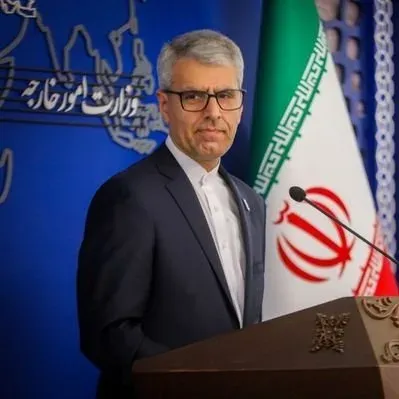
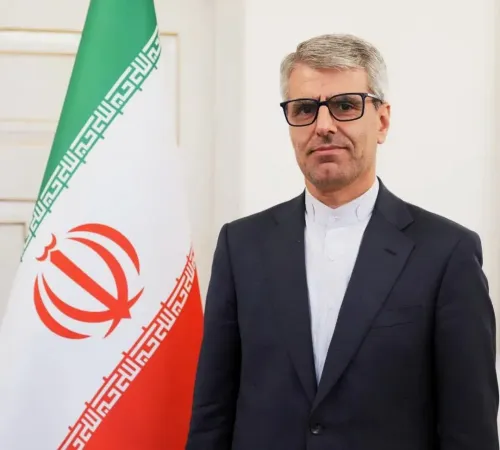
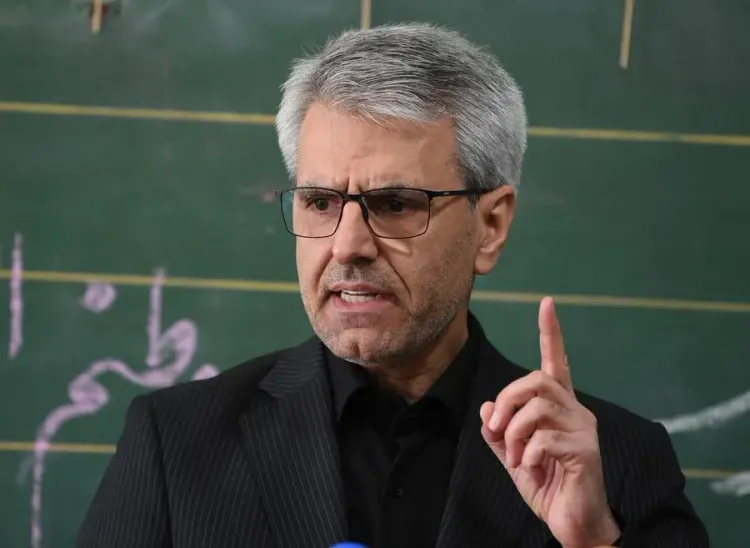
Iranian Foreign Ministry spokesman Esmaeil Baghaei confirmed on 21 May that the exchange of messages between Iran and the United States is ongoing through a Pakistani mediator, with Tehran currently reviewing the latest American positions. The disclosure, made in an interview with state-run IRIB TV, signals that back-channel diplomacy remains active despite deep mutual distrust.
Key Developments in the Talks
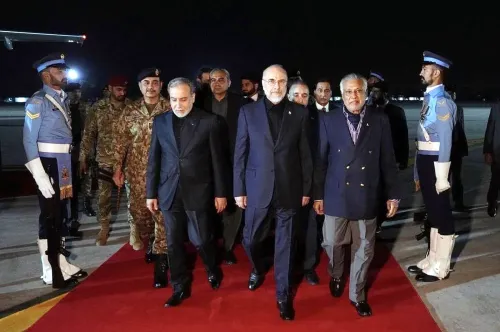
Baghaei said messages have been exchanged on multiple occasions, with Pakistan serving as the conduit. According to the semi-official Tasnim news agency, citing a source close to Iran's negotiation team, Washington has sent a new draft proposal to Tehran after Iran submitted its own 14-point plan three days earlier. The mediator is currently in Tehran working to narrow the gap between the two sides' drafts, though no agreement has been finalised, according to the source.
Iran's Stated Demands
Baghaei outlined Tehran's core conditions: the release of Iranian frozen assets, an end to what he described as US “maritime piracy,” and a halt to hostile actions against Iranian shipping. He said Iran has entered the diplomatic process “with goodwill and seriousness” but views Washington with “deep distrust” owing to its “very bad” track record over the past 18 months.
Strait of Hormuz at the Centre of Tensions
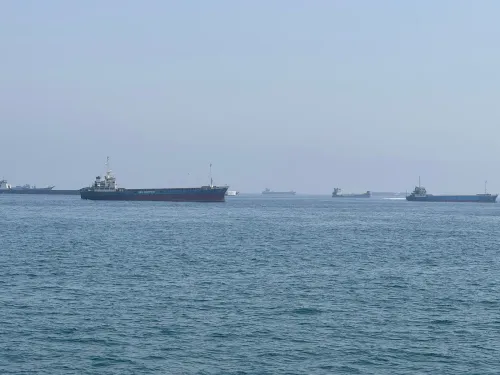
Iran, in cooperation with Oman, is seeking to establish a mechanism to guarantee “lasting security” in the Strait of Hormuz and is reportedly prepared to develop protocols for safe maritime traffic in coordination with other coastal states. The strait emerged as a flashpoint after Iran tightened its grip on the waterway following the outbreak of hostilities, barring vessels belonging to or affiliated with Israel and the United States. After the Islamabad talks collapsed, the US reportedly imposed a naval blockade on the strait, preventing ships bound for or departing from Iranian ports from transiting the waterway.
What Pezeshkian Said on X
Also on Wednesday, Iranian President Masoud Pezeshkian posted on social media platform X, asserting that Iran has consistently honoured its commitments and sought to avert war. “All paths remain open from our side. Forcing Iran to surrender through coercion is nothing but an illusion,” Pezeshkian wrote.
Background: War, Ceasefire, and Stalled Negotiations
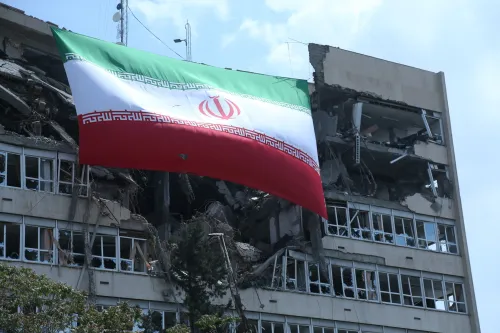
The current diplomatic effort follows a 40-day conflict that began with joint US-Israeli strikes on Tehran and other Iranian cities on 28 February. A ceasefire was reached on 8 April involving Iran, the United States, and Israel. A subsequent round of direct negotiations in Islamabad on 11 and 12 April failed to produce an agreement, leaving the back-channel message exchange as the primary active channel. Whether the latest exchange of drafts can break the deadlock remains to be seen.
Point of View
But the structural obstacles are formidable. Tehran's insistence on frozen-asset release and an end to the naval blockade are preconditions Washington has historically resisted. The Strait of Hormuz mechanism proposal — floated via Oman — is the most potentially stabilising element and the one least covered in mainstream reporting. If that channel holds, it could decouple maritime security from the broader nuclear dispute, giving both sides a partial win. Without it, a second Islamabad-style collapse looks more likely than a breakthrough.
NationPress
7 Oct 2026
Frequently Asked Questions
What is the current status of Iran-US negotiations?
As of 21 May, Iran and the US are exchanging draft proposals through a Pakistani mediator. Iran submitted a 14-point plan and Washington has responded with a counter-draft; the mediator is in Tehran working to reconcile the two positions, though nothing has been finalised.
What are Iran's main demands in the talks?
Iran is seeking the release of its frozen assets abroad, an end to what it calls US maritime piracy, and a halt to hostile actions against Iranian shipping. Tehran also wants a broader end to hostilities on all fronts, including Lebanon.
Why did the Islamabad talks fail?
The round of direct negotiations held in Islamabad on 11 and 12 April failed to produce an agreement, though neither side has publicly detailed the specific sticking points. The breakdown led to the US reportedly imposing a naval blockade on the Strait of Hormuz.
What is the Strait of Hormuz proposal?
Iran, in cooperation with Oman, is proposing a multilateral mechanism to guarantee lasting security in the Strait of Hormuz and develop protocols for safe maritime traffic with other coastal states. The initiative comes amid an ongoing US naval blockade that has disrupted Iranian shipping.
What did President Pezeshkian say about the negotiations?
President Masoud Pezeshkian posted on X on Wednesday that Iran has consistently honoured its commitments and sought to avoid war. He stated that all diplomatic paths remain open from Iran's side, while warning that attempting to force Iran into submission through coercion would be futile.