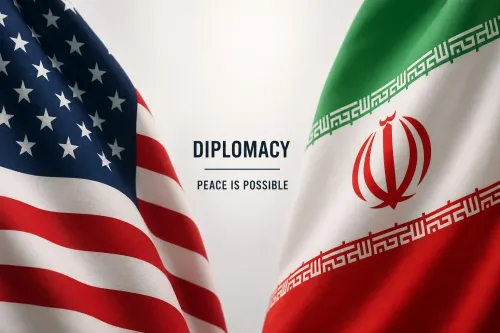
Iran halts US mediation talks over Israel's Lebanon strikes
Synopsis
Iran has cut off back-channel communications with the US over Israel's Lebanon operations — and gone further, reportedly placing the blockade of the Strait of Hormuz on the agenda. With Washington simultaneously greenlighting Israeli strikes on Beirut and pushing a sequenced ceasefire framework, the diplomatic track is fracturing at precisely the moment it is most needed.
Key Takeaways
Iran suspended mediated message exchanges with the United States on 1 June in protest at Israeli military operations in Lebanon .
Tehran declared 'there will be no dialogue' until Israel immediately halts operations in both Gaza and Lebanon .
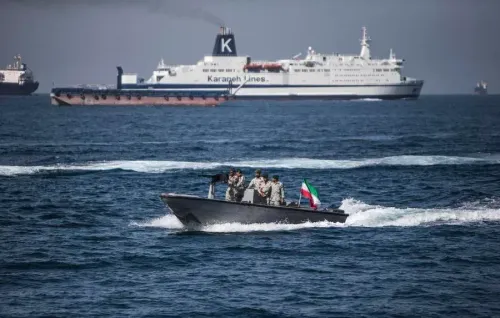
Iran and its allies have reportedly placed blocking the Strait of Hormuz and activating the Bab el-Mandeb Strait on their retaliation agenda.
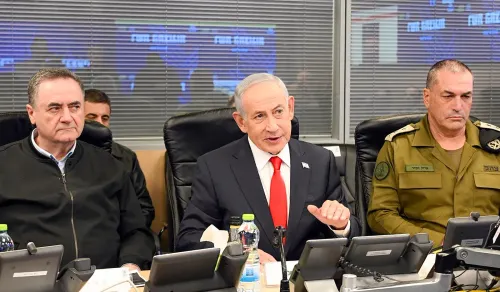
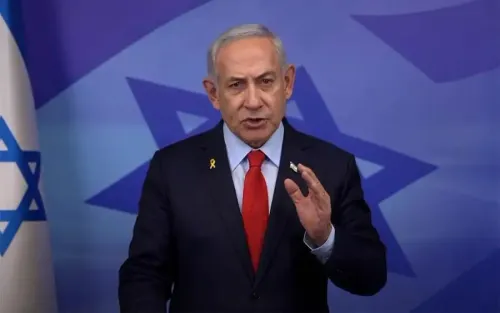
Israeli PM Benjamin Netanyahu and Defence Minister Israel Katz ordered strikes on Beirut's southern suburbs, citing repeated Hezbollah ceasefire violations.
The US reportedly approved Israel's request to expand strikes from southern Lebanon to Beirut , according to Israel's Channel 12 News .
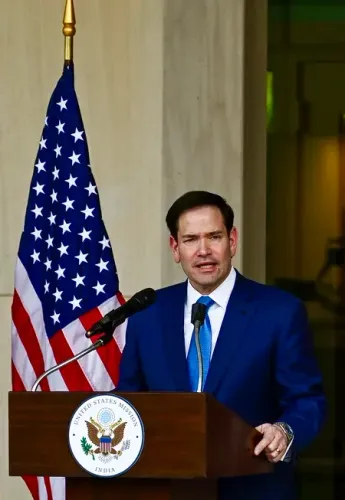
Secretary of State Marco Rubio proposed a sequenced de-escalation framework: Hezbollah halts attacks first, Israel refrains from Beirut escalation in return.
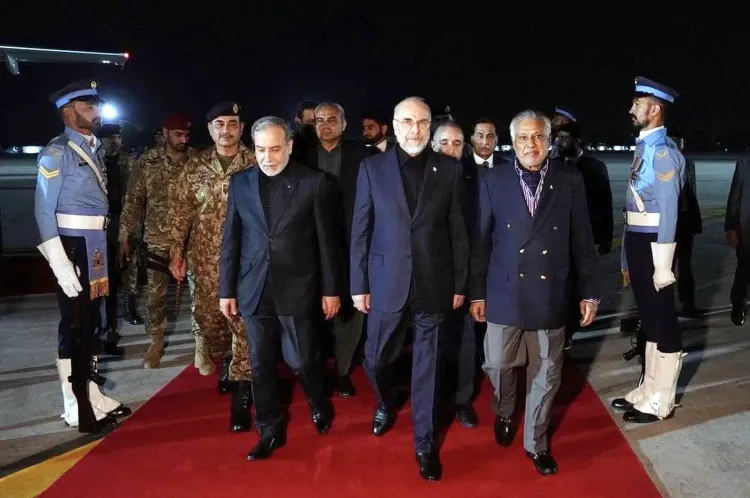
Iran has suspended back-channel message exchanges with the United States conducted through third-party mediation, in direct protest against Israel's military operations in Lebanon, according to reports on Monday, 1 June. The move marks a sharp deterioration in the fragile diplomatic track that had been quietly maintained between Tehran and Washington amid the ongoing regional conflict.
Iran's Position and Demands
Iran's semi-official Tasnim News Agency reported that Tehran has declared 'there will be no dialogue' until its demands for an 'immediate cessation' of Israeli military operations in both Gaza and Lebanon are met. The statement signals a hardening of Iran's negotiating posture at a moment when US-brokered de-escalation efforts were reportedly still active.
Beyond halting talks, Iran and its allies have reportedly placed on their agenda 'completely blocking the Strait of Hormuz' and activating additional pressure points, including the Bab el-Mandeb Strait, as retaliatory measures, according to reports citing Tasnim. Both straits are critical global shipping chokepoints; any disruption would have immediate consequences for international energy markets.
Israel Expands Military Operations in Beirut
Earlier on the same day, Israeli Prime Minister Benjamin Netanyahu and Defence Minister Israel Katz issued a joint statement confirming they had ordered the military to strike Beirut's southern suburbs. The order, they said, came in response to repeated Hezbollah violations of the ceasefire, including rocket and drone attacks targeting northern Israeli cities.
Israel's Channel 12 News reported that the strikes followed a significant policy shift, with the United States reportedly approving Israel's requests to expand military activity beyond southern Lebanon to include airstrikes on the capital itself. This expansion of the operational theatre represents a notable escalation from the conflict's earlier geographic boundaries.
US Accuses Hezbollah of Blocking Ceasefire
The United States has accused Hezbollah of actively undermining ceasefire efforts, asserting that the Iran-backed group is prolonging the conflict by refusing to halt attacks despite a US-backed proposal designed to prevent further escalation.
Secretary of State Marco Rubio recently held separate calls with Lebanese President Joseph Aoun and Prime Minister Netanyahu as part of ongoing diplomatic engagement, according to a US official familiar with the discussions. The official outlined a sequenced de-escalation framework proposed by Washington.
'To advance those talks, the United States proposed a clear sequence: Hizbollah must stop all attacks on Israel. In return, Israel would refrain from escalation in Beirut. This would create space for gradual de-escalation and an effective cessation of hostilities,' the official said.
What Happens Next
Iran's suspension of mediated communications — combined with the threat to block the Strait of Hormuz — significantly raises the stakes of the regional standoff. This comes amid an already volatile environment in which US diplomatic efforts have struggled to produce a durable ceasefire. Whether Tehran's move is a negotiating tactic or a genuine withdrawal from the diplomatic track will likely become clearer in the days ahead, as pressure mounts on all parties to prevent a wider regional war.
Point of View
Not a door slamming shut — but the Strait of Hormuz threat is a different order of magnitude. If acted upon, it would draw in energy markets, Gulf states, and US naval assets simultaneously, transforming a bilateral ceasefire dispute into a global crisis. Washington's sequencing proposal — Hezbollah stops first, Israel holds back second — is structurally sound but politically undeliverable given the trust deficit on all sides. The deeper problem is that the US is simultaneously greenlighting Israeli strikes on Beirut and asking Iran to keep talking; that contradiction is precisely what Tehran is now calling out.
NationPress
16 Oct 2026
Frequently Asked Questions
Why has Iran halted message exchanges with the United States?
Iran suspended back-channel communications with the US on 1 June to protest Israel's military operations in Lebanon and Gaza. Tehran stated there would be no dialogue until Israel immediately ceases operations in both territories.
What is the Strait of Hormuz threat and why does it matter?
Iran and its allies have reportedly placed on their agenda the complete blockade of the Strait of Hormuz, a critical chokepoint through which roughly 20% of the world's oil supply passes. Any disruption would have immediate consequences for global energy prices and international shipping.
Why did Israel order strikes on Beirut's southern suburbs?
Israeli Prime Minister Benjamin Netanyahu and Defence Minister Israel Katz said the strikes were ordered in response to repeated Hezbollah ceasefire violations, including rocket and drone attacks on northern Israeli cities. The US reportedly approved an expansion of Israel's military activity to include Beirut.
What ceasefire proposal has the United States put forward?
The US proposed a sequenced framework: Hezbollah must first halt all attacks on Israel, after which Israel would refrain from escalating in Beirut, creating space for a broader cessation of hostilities. Secretary of State Marco Rubio discussed this with both Lebanese President Joseph Aoun and PM Netanyahu.
How does Iran's move affect the broader regional situation?
Iran's suspension of diplomatic communications, combined with threats to block key shipping straits, significantly escalates the regional standoff. It narrows the space for US-brokered de-escalation at a moment when Israeli operations are expanding, raising the risk of a wider regional conflict.