Negotiations Between Iran and the US Commence in Islamabad, Iranian Media Reports
Synopsis
Iranian media reveals that negotiations between Iran and the US have officially started in Islamabad, focusing on critical issues including a ceasefire in Lebanon and the unblocking of Iranian assets. Will this lead to a breakthrough in Middle East tensions?
Key Takeaways
Negotiations have begun between Iran and the US in Islamabad.
Ceasefire in Lebanon and unblocking of Iranian assets are key focal points.
Iran claims the ceasefire has not been fully implemented.
Iranian leadership warns against prioritizing Israel's interests in discussions.
The situation in the Strait of Hormuz remains a critical topic.
Islamabad, April 11 (NationPress) Reports from Iranian media confirmed on Saturday evening, according to Pakistan time, that the discussions between Iran and the US have officially commenced in Islamabad. The semi-official Tasnim News Agency from Iran indicated that pivotal topics in these negotiations include the establishment of a ceasefire in Lebanon, the unblocking of Iranian assets by the US, and the necessity for in-depth expert and technical dialogues concerning these matters, along with conversations about the Strait of Hormuz.
According to the news agency, Iran is adamant that the ceasefire in Lebanon has not been fully realized, asserting that the United States bears responsibility for ensuring Israel adheres to this commitment. The Iranian delegation is addressing this concern earnestly through the mediation of Pakistan and within the negotiation space.
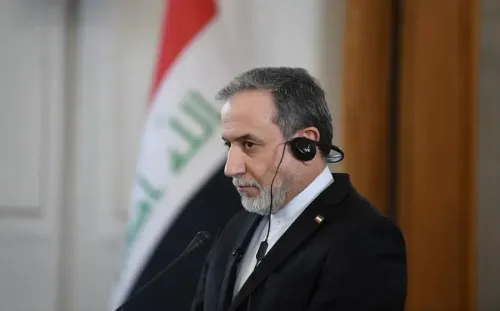
In a related development, Iranian First Vice President Mohammad-Reza Aref cautioned on Saturday that any deal would be unattainable if the US prioritizes Israel's interests during the negotiations in Pakistan.
He stated, “If we encounter representatives with an 'Israel First' agenda, there won't be a deal; we will have to continue our defense efforts even more vigorously than before, leading to greater costs for the world,” he noted in a post on social media platform X, while also conveying that “a mutually beneficial agreement for both parties and the global community is possible” if the situation is otherwise.
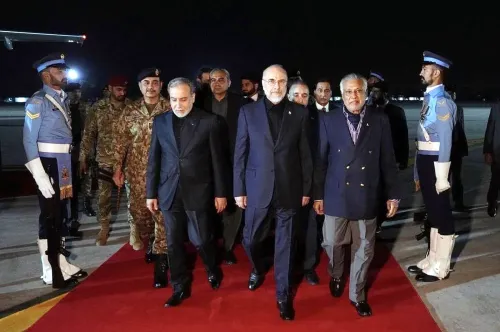
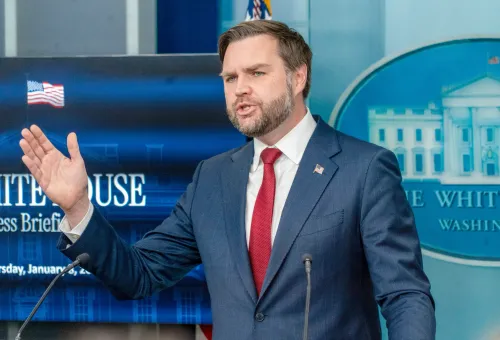
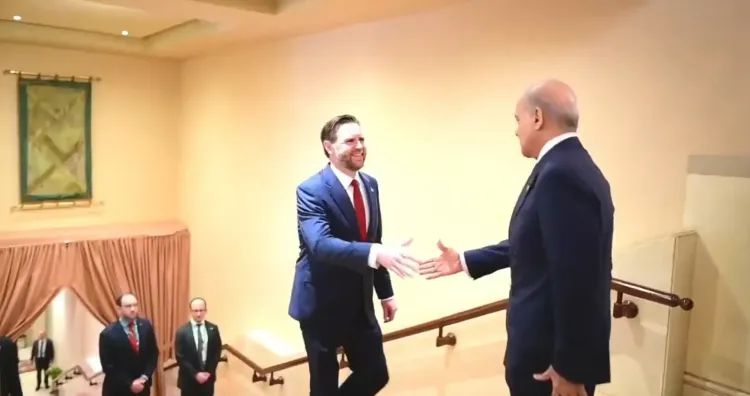
These statements were made as an Iranian delegation led by Parliament Speaker Mohammad Baqer Qalibaf and a US delegation headed by Vice President J D Vance arrived in Islamabad to negotiate an end to the ongoing hostilities in the Middle East.
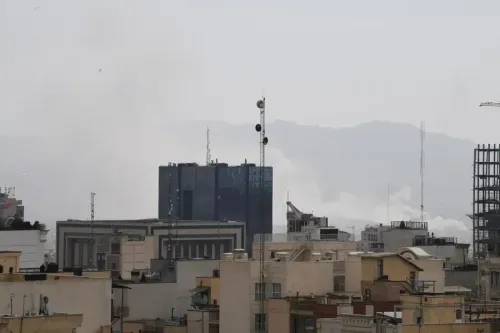
On February 28, Israel and the United States initiated coordinated attacks on Tehran and various Iranian cities, resulting in the death of Iran's then Supreme Leader Ali Khamenei, along with several senior military officials and civilians. In retaliation, Iran unleashed extensive missile and drone assaults targeting both Israel and US interests in the region, while tightening its grip on the Strait of Hormuz.
A ceasefire lasting two weeks between Iran and the US took effect on Wednesday. However, Israel has declared that this ceasefire does not extend to the conflict in Lebanon, subsequently executing its largest single-day offensive against Lebanon on Wednesday, which resulted in over 300 fatalities and more than 1,100 injuries, as reported by Xinhua news agency.
On Friday, Qalibaf insisted on a ceasefire in Lebanon and the release of Iran's frozen assets as prerequisites before negotiations with the US could commence.
Earlier that same day, Tasnim news agency indicated that Washington had consented to unfreeze Iranian assets, with the Iranian delegation in Pakistan aiming to confirm this issue. However, several media outlets, citing an anonymous senior US official, refuted this claim.
Point of View
It is crucial to observe that the ongoing negotiations between Iran and the US in Islamabad represent a potential shift in Middle Eastern dynamics. The outcomes of these discussions could significantly impact regional stability and international relations, particularly concerning Israel and the balance of power in the area.
NationPress
20 Sept 2026
Frequently Asked Questions
What are the main topics of discussion in the US-Iran negotiations?
The main topics include establishing a ceasefire in Lebanon, the release of Iranian assets by the US, and detailed technical discussions on these matters, along with the situation in the Strait of Hormuz.
Who is leading the Iranian delegation in these negotiations?
The Iranian delegation is led by Parliament Speaker Mohammad Baqer Qalibaf.
What stance does Iran have regarding the ceasefire in Lebanon?
Iran insists that the ceasefire in Lebanon has not been fully implemented and holds the US responsible for ensuring Israel adheres to this commitment.
What warning did Iranian Vice President Mohammad-Reza Aref give?
He warned that there would be no deal if the US prioritizes Israel's interests during the negotiations.
What recent events escalated tensions between Iran and the US?
Tensions escalated following coordinated attacks by Israel and the US on Iranian cities on February 28, resulting in the death of Iran's Supreme Leader and leading to Iranian retaliatory strikes.