Israel orders Lebanon ceasefire as Iran shuts Strait of Hormuz again
Synopsis
Israel ordered its military to cease fire in Lebanon on 20 June — but kept its troops in place. Hours later, Iran shut the Strait of Hormuz again, accusing the US and Israel of breaching a ceasefire MoU signed just two days earlier. A fragile post-war arrangement is already fraying at its first test.
Key Takeaways
Benjamin Netanyahu and Israel Katz ordered the Israeli military to cease fire in Lebanon on 20 June .
Israeli forces did not withdraw from territories held in southern Lebanon despite the ceasefire order.
Iran announced the closure of the Strait of Hormuz , citing an 'explicit breach' of the post-war MoU by the US and Israel.
The US-Iran MoU was signed on 18 June by Presidents Masoud Pezeshkian and Donald Trump via a simultaneous digital process.
The MoU's first article calls for 'immediate and permanent termination of military operations' across all fronts, including Lebanon.
Iran had introduced new Strait of Hormuz transit permit and insurance requirements on 19 June , just before announcing the closure.
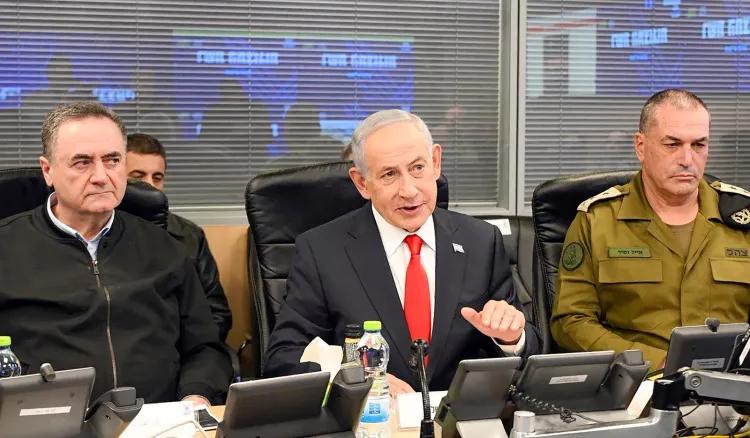
Israeli Prime Minister Benjamin Netanyahu and Defence Minister Israel Katz on Saturday, 20 June ordered the Israeli military to cease fire in Lebanon, according to local media reports. The ceasefire order, however, did not include a withdrawal of Israeli forces from territories they currently hold in southern Lebanon.
Key Developments
The ceasefire directive comes amid a rapidly escalating diplomatic and military crisis in the region. Separately, Iran announced the closure of the Strait of Hormuz — one of the world's most critical energy shipping lanes — citing what it described as an 'explicit breach' of the first clause of a post-war Memorandum of Understanding (MoU) by the United States and Israel.
Iran's top joint military command, Khatam al-Anbiya Central Headquarters, stated that the closure was a direct response to 'ongoing violations' of the ceasefire in southern Lebanon and the US's failure to honour its commitments under the MoU, according to Iran's semi-official Mehr news agency.
The US-Iran MoU and Its First Article
The MoU between Iran and the US was signed on 18 June by Iranian President Masoud Pezeshkian and US President Donald Trump through a simultaneous digital process — notably without an in-person ceremony. The agreement's first article, as reported by Mehr, 'provides for the immediate and permanent termination of military operations between Iran, the US, and their respective allies across all fronts, including Lebanon, and commits the parties to refrain from future military action or threats of force.'
Iran's military command contends that Israel's continued actions in Lebanon constitute a violation of this clause, and that the US — as a signatory — bears responsibility for ensuring compliance by its allies.
Strait of Hormuz: New Regulations and Closure
Just a day before the closure announcement, on Friday, 19 June, Iran had introduced new transit regulations for the Strait of Hormuz, requiring vessels to register in advance and obtain permits and insurance before entering the waterway. This came shortly after the strait had been reopened under the US-Iran agreement. The renewed closure — announced within days of that reopening — signals a sharp deterioration in the fragile post-war arrangement.
The Strait of Hormuz is a chokepoint through which roughly 20% of the world's oil supply transits, making its closure a significant threat to global energy markets.
What Happens Next
The situation remains highly fluid. Israel's ceasefire order in Lebanon — if observed — could potentially de-escalate one front, but the absence of a troop withdrawal complicates the picture. Iran's renewed closure of the Strait of Hormuz raises the stakes considerably, and global energy markets are expected to react sharply. Whether the US responds diplomatically or militarily to Iran's move will likely determine the next phase of this crisis.
Point of View
Two days old, is already being contested on its first operative clause. The real question is whether Washington has the diplomatic leverage — or the will — to press Israel into compliance with an agreement it co-signed. If it does not, the MoU risks becoming another piece of paper that hardliners on both sides can point to as proof that negotiations with the other party are futile.
NationPress
19 Sept 2026
Frequently Asked Questions
What did Israel order its military to do in Lebanon on 20 June?
Israeli Prime Minister Benjamin Netanyahu and Defence Minister Israel Katz ordered the military to cease fire in Lebanon on 20 June, according to local media reports. However, Israeli forces did not withdraw from territories they hold in southern Lebanon.
Why did Iran close the Strait of Hormuz again?
Iran's Khatam al-Anbiya Central Headquarters announced the closure citing what it called an 'explicit breach' of the first clause of the post-war MoU by the US and Israel, and 'ongoing violations' of the ceasefire in southern Lebanon. The closure came just days after the strait had been reopened under a US-Iran agreement.
What is the US-Iran MoU signed on 18 June?
The MoU is a post-war agreement signed on 18 June by Iranian President Masoud Pezeshkian and US President Donald Trump through a simultaneous digital process. Its first article calls for the immediate and permanent termination of military operations between Iran, the US, and their allies across all fronts, including Lebanon.
What are Iran's new regulations for the Strait of Hormuz?
Iran introduced new transit regulations on 19 June requiring vessels to register in advance and obtain permits and insurance before entering the Strait of Hormuz. These rules were announced shortly after the waterway was reopened under the US-Iran agreement, and before Iran announced the renewed closure.
What is the significance of the Strait of Hormuz?
The Strait of Hormuz is one of the world's most critical energy shipping routes, through which approximately 20% of global oil supply transits. Its closure has immediate implications for global energy markets and oil prices.