Iran shuts Strait of Hormuz again, cites US-Israel MoU breach
Synopsis
Iran has shut the Strait of Hormuz for a second time — just two days after signing a ceasefire MoU with the US — accusing Washington and Israel of breaching the deal's very first clause. The move exposes how fragile the agreement is and puts global energy shipping back on edge before the ink is even dry.
Key Takeaways
Iran announced the closure of the Strait of Hormuz on 20 June , days after reopening it under a US-Iran MoU.
Khatam al-Anbiya Central Headquarters cited an 'explicit breach' of the MoU's first clause by the US and ongoing ceasefire violations by Israel in Lebanon .
The MoU was signed on 18 June by Presidents Masoud Pezeshkian and Donald Trump via a simultaneous digital process.
Iran had introduced new transit permit and insurance requirements via the Persian Gulf Strait Authority (PGSA) just a day before the fresh closure.
US Central Command had confirmed lifting its maritime blockade and said warships would remain in the area to monitor compliance.
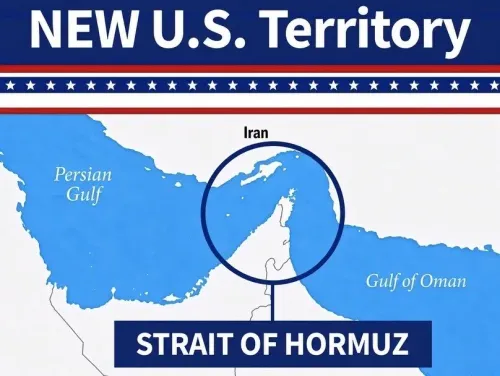
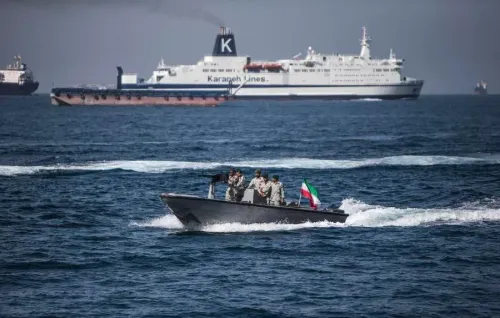
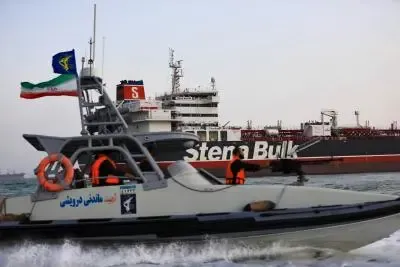
Iran on Saturday, 20 June announced the closure of the Strait of Hormuz for a second time, with its top military command alleging an 'explicit breach' of the post-war Memorandum of Understanding (MoU) by the United States and Israel. The move, confirmed by Iran's semi-official Mehr news agency, threatens to once again disrupt one of the world's most critical energy shipping corridors.
What Triggered the Closure
Iran's supreme joint military authority, Khatam al-Anbiya Central Headquarters, stated that the closure was a direct response to what it described as the US violating the first clause of the MoU — which mandates the 'immediate and permanent termination of military operations' across all fronts — and to what it called Israel's 'ongoing violations' of the ceasefire in southern Lebanon. According to the Mehr report, the headquarters declared the strait 'closed to vessel traffic' pending compliance with agreed terms.
The MoU and Its Terms
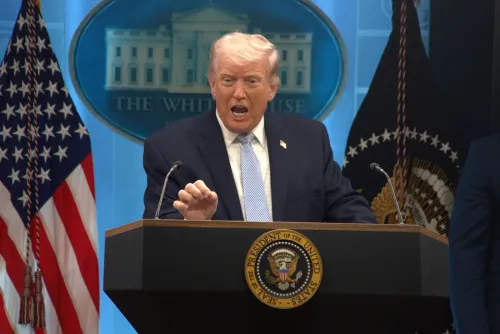
The agreement in question was signed on 18 June by Iranian President Masoud Pezeshkian and US President Donald Trump through a simultaneous digital process, without an in-person ceremony. Its first article, as cited in reports, commits all parties — including their respective allies — to refrain from military action or threats of force across every active front, explicitly including Lebanon. The deal had led to an earlier reopening of the waterway after more than three months of conflict.
New Transit Rules Had Just Been Imposed
Just a day before the fresh closure, on Friday, Iran had introduced new regulations for vessels transiting the Strait of Hormuz. Ships were required to register in advance and obtain permits and insurance before entering the passage. These rules were announced by Iran's newly established Persian Gulf Strait Authority (PGSA), created as part of the Washington-Tehran framework to restore commercial shipping through the strategic waterway.
What the US Military Said
The US Central Command had, following the initial MoU, confirmed that American forces lifted the blockade on all maritime traffic entering and exiting Iranian ports and coastal areas. 'American forces are not impeding the transit of vessels to or from Iranian ports. All US military blockade enforcement efforts have ceased,' the command stated in a post on X. It added that US warships 'will remain in the general area to make sure that all aspects of the agreement are adhered to, obeyed and in full force and effect.'
What Happens Next
The renewed closure raises immediate concerns for global energy markets, given that the Strait of Hormuz handles a significant share of the world's seaborne oil and gas traffic. With the MoU now disputed within days of its signing, the durability of the US-Iran framework is in question. Diplomatic channels between Washington and Tehran will face an early and severe stress test, with Lebanon's ceasefire status emerging as a potential flashpoint that neither side anticipated so soon after the agreement.
Point of View
Meaning any Israeli action in Lebanon now carries a direct energy-market consequence. That linkage was either missed or accepted by Washington, and either possibility is alarming. Global oil markets should treat this not as a one-off flare-up but as a signal that the MoU framework is structurally unstable.
NationPress
19 Sept 2026
Frequently Asked Questions
Why has Iran closed the Strait of Hormuz again?
Iran's Khatam al-Anbiya Central Headquarters announced the closure on 20 June, citing what it called an explicit breach of the first clause of the post-war MoU by the United States and ongoing Israeli ceasefire violations in southern Lebanon. The closure came just two days after the MoU was signed.
What does the US-Iran MoU say?
The MoU, signed on 18 June by Presidents Masoud Pezeshkian and Donald Trump through a simultaneous digital process, commits all parties and their allies to the immediate and permanent termination of military operations across all fronts, including Lebanon, and bars future military action or threats of force.
What new rules had Iran introduced for the Strait of Hormuz?
On Friday, 19 June, Iran's newly created Persian Gulf Strait Authority (PGSA) announced that vessels transiting the strait must register in advance and obtain permits and insurance before entering the waterway. These rules were part of the broader framework to restore commercial shipping after the earlier reopening.
What did the US military say about the Strait of Hormuz?
US Central Command confirmed it had lifted the maritime blockade on Iranian ports, stating that 'all US military blockade enforcement efforts have ceased.' It added that US warships would remain in the region to ensure compliance with the agreement.
How does this affect global energy markets?
The Strait of Hormuz is one of the world's most critical energy shipping routes, carrying a substantial share of global seaborne oil and gas. Its renewed closure raises immediate concerns about supply disruptions and price volatility, particularly given the uncertainty over whether the MoU can be restored quickly.