US-Iran sign Hormuz MOU, launch nuclear talks in historic shift
Synopsis
The US and Iran have signed an MOU reopening the Strait of Hormuz and launching nuclear talks — what the Trump administration is calling the most consequential opening in nearly half a century of estrangement. The deal ties sanctions relief and economic integration to verifiable nuclear and regional concessions, with no side deals and US troops staying put until a final agreement is sealed.
Key Takeaways
The United States and Iran signed an MOU on 15 June establishing a framework for nuclear negotiations and reopening the Strait of Hormuz .
Sanctions relief and access to frozen Iranian funds are conditioned on verifiable steps on Iran’s nuclear programme and support for militant groups.
The Strait of Hormuz naval blockade is being lifted; shipping volumes are expected to rise immediately and ramp up over coming weeks.
Senior officials claim Iran’s nuclear programme has been ‘mostly destroyed,’ though no independent verification was offered.
US military forces will remain in their current posture throughout the next negotiating phase; drawdowns will only follow a final deal.
The MOU will be released publicly; the administration says there are no side deals .
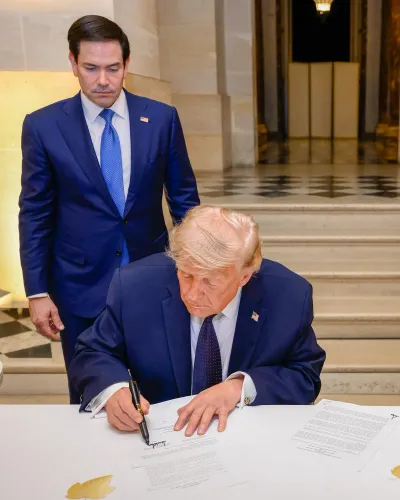
The United States and Iran signed a memorandum of understanding (MOU) on Monday, 15 June, establishing a framework for future negotiations, reopening the Strait of Hormuz, and setting the stage for talks aimed at ensuring Tehran never acquires a nuclear weapon. Senior Trump administration officials described the agreement as the most significant opening in US-Iran relations in decades, with a formal signing ceremony planned later in the week.
What the MOU Establishes
The agreement links sanctions relief and broader economic integration for Iran to verifiable steps on its nuclear programme, regional activities, and support for militant groups. Officials stressed that the MOU will be released publicly and that there would be no undisclosed side arrangements.
“The MOU will be released publicly,” a senior US official said. “One of our principles here is, we want to have full transparency on this, and there’ll be no side deals.”
Strait of Hormuz: Reopening and Shipping Outlook
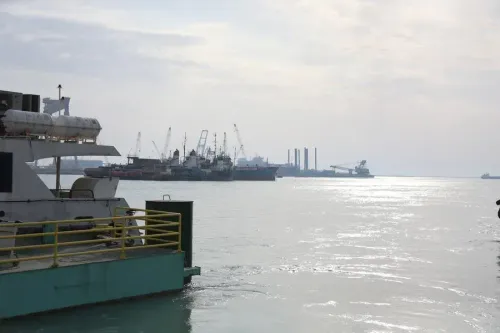
The MOU provides for reopening the Strait of Hormuz and lifting the naval blockade that has disrupted maritime traffic and energy markets in recent weeks. A senior official said shipping volumes would begin rising immediately, though a return to full normal levels would be gradual.
“You will see a significant increase in traffic in the Strait of Hormuz, actually starting already, and that will ramp up slowly over time,” the official said.
The strait is a critical chokepoint for global oil exports, and its closure had rattled energy markets. Any sustained reopening is expected to ease supply-side pressure on crude prices.
Nuclear Verification at the Core
Forthcoming negotiations will focus heavily on verification mechanisms and dismantling remaining pathways to nuclear weapons development. One senior official claimed that Iran’s nuclear programme had been “mostly destroyed,” though the administration offered no independent confirmation of that assessment.
“The more that the Iranians are willing to work with us on their nuclear program, on verifying that they’re not building a nuclear weapon, on not funding radicalism and terrorism in the region, the more that they’re going to be welcomed into the world economy,” an official said.
Officials indicated that any release of frozen Iranian funds or economic incentives would be strictly tied to measurable, verifiable actions by Tehran. “We don’t pay for play… We’re prepared to give them a lot, but we expect performance,” the official added.
US Military Posture Unchanged for Now
Despite the diplomatic breakthrough, the administration confirmed that US military forces would remain in place during the next phase of negotiations. Reductions in deployments, officials said, would only be considered after a final agreement is reached and fully implemented.
The administration portrayed the talks as proceeding from a position of strength, arguing that a combination of military, diplomatic, and economic pressure had significantly weakened Iran’s economy and military capabilities and brought its leadership to the table.
Broader Regional Implications
Officials expressed hope that the agreement could contribute to wider regional stability, pointing to ongoing diplomatic efforts involving Israel and Lebanon. One senior official framed the initiative as an attempt to resolve a conflict stretching nearly half a century.
“This has really been a 47-year war,” the official said, arguing that Iran’s support for militant groups and pursuit of nuclear capabilities had fuelled instability across the region.
“I don’t think you can kill your way out of these problems,” another official said. “You need a diplomatic solution that allows us to get everyone to put down their weapons and hopefully focus on economics and rebuilding their countries.”
Whether the MOU translates into a durable agreement will depend on the verification architecture negotiators build in the weeks ahead — a process that has historically proven to be the hardest part of any US-Iran engagement.
Point of View
But the hardest work lies ahead: verification. Every previous US-Iran nuclear framework — from the JCPOA to its collapse — foundered not on intent but on the architecture of proof. The Trump administration’s insistence on ‘no side deals’ and public release of the MOU is a deliberate contrast to the Obama-era process, yet the same fundamental tension remains: Tehran’s definition of ‘verifiable’ has never matched Washington’s. The claim that Iran’s nuclear programme has been ‘mostly destroyed’ is unverified and, if overstated, could set dangerous expectations for what the final deal must actually achieve. Keeping US troops in place is prudent, but it also signals that trust is still a long way off.
NationPress
14 Sept 2026
Frequently Asked Questions
What is the US-Iran MOU signed on 15 June?
It is a memorandum of understanding signed on 15 June between the United States and Iran, establishing a framework for future negotiations to prevent Iran from acquiring a nuclear weapon and reopening the Strait of Hormuz. The deal links sanctions relief and economic integration to verifiable Iranian steps on its nuclear programme and regional activities.
What happens to the Strait of Hormuz under this agreement?
The MOU provides for lifting the naval blockade and reopening the Strait of Hormuz to maritime traffic. Senior US officials said shipping volumes would begin increasing immediately, though a full return to normal levels would be gradual over coming days and weeks.
Will Iran receive sanctions relief immediately?
No. Any sanctions relief, access to frozen funds, or economic incentives will be tied strictly to measurable and verifiable actions by Iran on its nuclear programme and support for militant groups. US officials made clear there is no upfront payment: ‘We don’t pay for play.’
Will US troops be withdrawn as part of this deal?
No immediate withdrawal is planned. The Trump administration confirmed that US military forces will maintain their current posture throughout the next negotiating phase. Reductions would only be considered after a final agreement is reached and implemented.
How significant is this agreement historically?
Senior Trump administration officials described it as the most significant opening in US-Iran relations in decades, framing the broader conflict as a ‘‧47-year war.’ However, the MOU is a framework, not a final deal, and the durability of the breakthrough depends on the verification mechanisms negotiated in subsequent talks.