Leaked Iran-US MoU reveals $300bn deal, Trump disputes key terms
Synopsis
A leaked MoU between the US and Iran proposes the most comprehensive diplomatic framework in decades — permanent ceasefire, full sanctions removal, Strait of Hormuz reopening, and a $300 billion recovery fund. But President Trump publicly denied the $300 billion figure and immediate sanctions relief, creating a stark contradiction between the document and the White House's on-record position.
Key Takeaways
A leaked Iran-US MoU published by Al-Arabiya on 17 June proposes a permanent ceasefire 'on all fronts, including Lebanon.' The framework calls for the US to lift its naval blockade of the Strait of Hormuz immediately, with full maritime traffic restored within 30 days .
Proposed sanctions relief covers UN Security Council , IAEA -related, and unilateral US measures, with Treasury waivers for Iranian oil exports pending a final deal.
A $300 billion economic rehabilitation fund for Iran is outlined, with implementation details to be finalised within 60 days .
President Trump publicly called the $300 billion figure 'false' and denied that immediate sanctions relief was part of the agreement.
Neither Washington nor Tehran has officially released or authenticated the document.
A leaked memorandum of understanding (MoU) between the United States and Iran, published by Al-Arabiya on Wednesday, 17 June, outlines one of the most sweeping diplomatic frameworks in decades — covering a permanent ceasefire, full sanctions relief, Strait of Hormuz reopening, and a $300 billion economic rehabilitation package. The document has not been officially released or authenticated by either Washington or Tehran.
Key Terms of the Leaked Framework
According to the leaked text, Iran and the United States, along with their respective allies, would declare an 'immediate and permanent end to the war on all fronts, including Lebanon' upon signing the memorandum. Both sides would commit to refraining from hostile actions, threats of force, and interference in each other's internal affairs. Negotiations toward a final agreement would be completed within 60 days, with a possible extension by mutual consent.
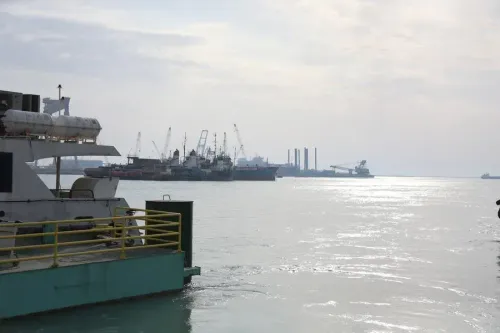
A central provision addresses the Strait of Hormuz, one of the world's most critical energy shipping corridors. Under the proposed framework, the United States would lift its naval blockade immediately upon signing and restore full maritime traffic within 30 days. Iran would simultaneously work to return merchant shipping between the Arabian Gulf and the Sea of Oman to pre-war levels within the same window, including the removal of mines and other technical obstacles.
Sanctions Relief and Frozen Assets
The proposed sanctions relief package is described in the leaked document as among its most far-reaching elements. Washington would commit to ending all sanctions on Iran under a timetable agreed in the final accord — covering United Nations Security Council measures, International Atomic Energy Agency (IAEA)-related restrictions, and unilateral US sanctions. Pending a final deal, the US Treasury Department would issue waivers permitting exports of Iranian crude oil, petrochemical products, and related services including banking, insurance, and transportation. Frozen Iranian assets and funds would be progressively released as negotiations advance.
Nuclear Commitments and the $300 Billion Fund
On the nuclear question, the memorandum states that Iran 'will never produce nuclear weapons.' Outstanding issues — including the fate of enriched nuclear material and Iran's future nuclear requirements — would be addressed in a final agreement. In the interim, both sides would maintain the status quo: Iran keeps its current nuclear programme unchanged, while the United States refrains from imposing new sanctions or expanding its military footprint in the region.
Another major provision calls for a comprehensive economic rehabilitation programme for Iran, with financing of at least $300 billion to be developed by the United States and regional partners. The implementation mechanism would be finalised within 60 days.
Trump Disputes Core Provisions
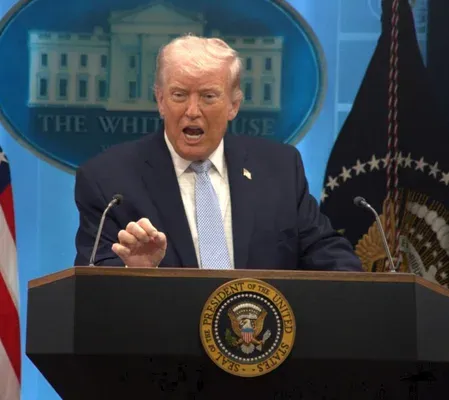
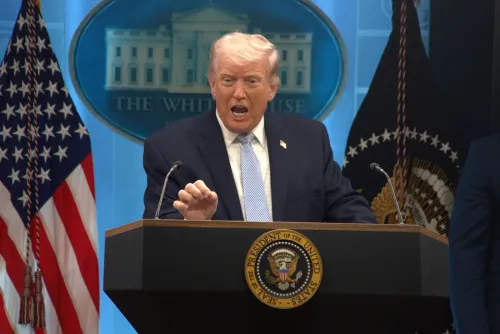
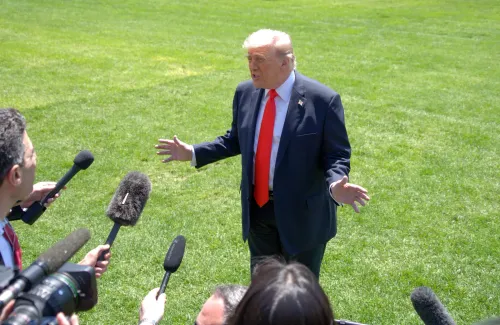
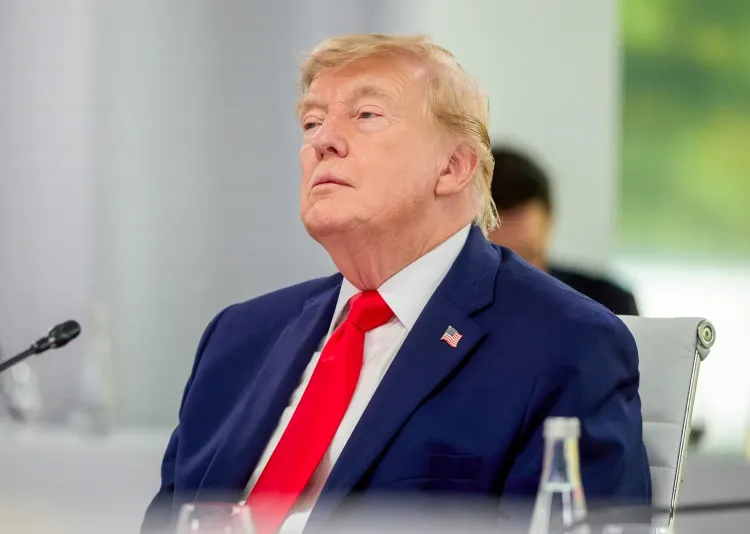
The leaked text emerged as President Donald Trump publicly distanced himself from several of its reported terms. Speaking during a meeting with Egyptian President Abdel Fattah el-Sisi, Trump was asked whether the framework included a $300 billion reconstruction fund. He replied: 'It's false.' He added: 'We're not investing, we're not putting up 10 cents and people can decide to do it. That's up to them.'
Trump also rejected suggestions that the agreement provided for immediate sanctions relief. Asked directly, he responded: 'No.' When pressed again, he said: 'They have to behave well.' The White House has neither officially released the memorandum nor confirmed the authenticity of the text published by Al-Arabiya English. This contradiction between the leaked document's terms and the President's public statements has deepened uncertainty over the framework's actual scope and status.
What Happens Next
The talks were reported from Evian, France, a venue that carries its own diplomatic symbolism as the site of historic negotiations. With both governments declining to authenticate the document, the gap between the leaked text and Trump's on-record denials will remain the central point of scrutiny. Analysts will be watching whether either side formally releases a verified version of the MoU, and whether the 60-day negotiating window holds.
Point of View
Or that internal factions in the US negotiating team are not aligned. Either reading is alarming. The 60-day window to a final agreement will be the real stress test — and the silence from Tehran is as telling as Trump's denials.
NationPress
27 Sept 2026
Frequently Asked Questions
What does the leaked Iran-US MoU propose?
The leaked memorandum of understanding proposes a permanent ceasefire on all fronts including Lebanon, full US sanctions relief on Iran, restoration of Strait of Hormuz shipping within 30 days, and a $300 billion economic rehabilitation fund. A final agreement is to be negotiated within 60 days of signing. Neither Washington nor Tehran has officially confirmed the document's authenticity.
Why did Trump dispute the leaked MoU's terms?
President Trump publicly denied that the framework included a $300 billion reconstruction fund, saying 'It's false,' and also rejected the suggestion of immediate sanctions relief, stating 'No' and adding 'They have to behave well.' His remarks were made during a meeting with Egyptian President Abdel Fattah el-Sisi and contradict several provisions described in the leaked text.
What does the MoU say about Iran's nuclear programme?
The leaked document states that Iran 'will never produce nuclear weapons.' It proposes that both sides maintain the status quo — Iran keeps its current nuclear programme unchanged while the US refrains from new sanctions or expanding its regional military presence — until outstanding issues are resolved in a final agreement.
What is the significance of the Strait of Hormuz provisions?
The Strait of Hormuz is one of the world's most critical energy shipping routes, through which a significant share of global oil exports pass. The MoU proposes the US lift its naval blockade immediately upon signing and restore full maritime traffic within 30 days, with Iran simultaneously removing mines and other obstacles. A disruption or reopening of the Strait has major implications for global energy markets.
Where were the Iran-US talks held?
The talks were reported from Evian, France. The leaked memorandum was published by Al-Arabiya on 17 June, though neither the US nor Iran has officially released or verified the document.