Iran's SNSC orders swift Hormuz Strait passage under Iran-US MoU
Synopsis
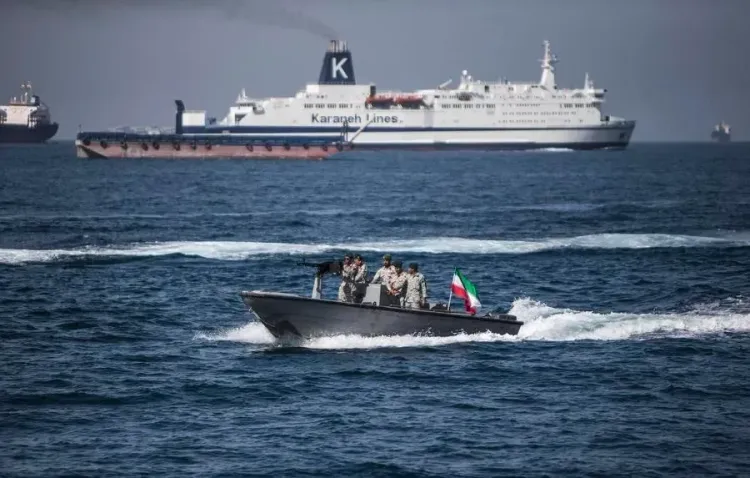
Hours after Iran and the US signed a landmark MoU, Tehran's top security body ordered immediate processing of Hormuz Strait passage requests — waiving all transit fees for 60 days at Iran's expense. With Vice President JD Vance declaring the clock has started, the world's most strategically sensitive waterway has become the first real test of whether this fragile accord can hold.
Key Takeaways
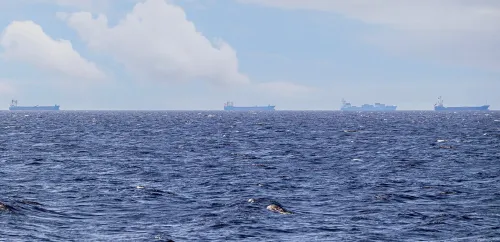
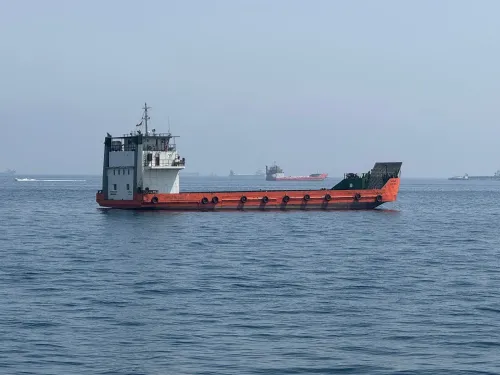
Iran's SNSC issued a directive on 19 June for swift processing of vessel passage requests through the Strait of Hormuz .
No transit fees will be charged for 60 days ; all costs will be covered by the Iranian government .
Ships must submit passage requests to the Persian Gulf Strait Authority (PGSA) and follow designated routes and timings.
Iran , the US , and Pakistan finalised the MoU to end conflict on multiple fronts, including Lebanon ; signed electronically by Pezeshkian and Trump .
US Vice President JD Vance said the 60-day window will determine whether the MoU becomes a lasting agreement, with future economic benefits for Iran tied to verified compliance.
Iran's Supreme National Security Council (SNSC) on 19 June directed authorities to process vessel passage requests through the Strait of Hormuz with immediate effect, citing obligations under a newly signed memorandum of understanding (MoU) between Tehran and Washington. The directive came hours after Iranian President Masoud Pezeshkian and US President Donald Trump formally signed the accord electronically.
Key Terms of the Hormuz Passage Order
Under the MoU, no transit fees will be levied on vessels crossing the Strait of Hormuz for a period of 60 days, with all associated costs to be borne by the Iranian government. Ships seeking passage must submit requests to the Persian Gulf Strait Authority (PGSA), which will also publish executive arrangements and technical details for transit.
The SNSC noted in its statement that vessels must adhere to designated routes and scheduled timings, citing 'specific circumstances and existence of some safety hazards along the passage route.' It gave assurances that traffic through the waterway would increase gradually.
The Iran-US-Pakistan MoU: Background
Iran, the United States, and Pakistan announced the finalisation of the MoU early Monday, framing it as a framework to end conflict on multiple fronts, including in Lebanon. The electronic signing by Pezeshkian and Trump followed shortly thereafter on Thursday. The accord represents one of the most significant diplomatic engagements between Tehran and Washington in years, covering Iran's nuclear activities, regional conduct, and its future relationship with the international community.
Washington's 60-Day Roadmap
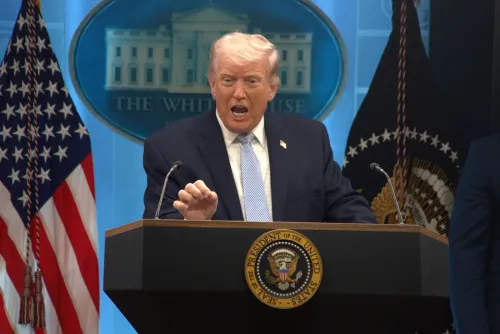
US Vice President JD Vance on Thursday outlined the Trump administration's implementation timeline at a White House press conference, describing the coming 60 days as the period that will determine whether the MoU evolves into a durable settlement or collapses under the weight of longstanding mistrust.
'I would say the 60-day period officially started today,' Vance told reporters. He stressed that any future economic benefits for Iran would be contingent on verified actions — not promises — signalling a compliance-first approach from Washington.
What Happens Next
The PGSA is expected to publish technical guidelines for Hormuz transit in the near term. Analysts note that the strait handles an estimated 20% of global oil trade, making its unimpeded operation a matter of international economic consequence. The next 60 days will be closely watched by energy markets, regional powers, and nuclear non-proliferation observers alike. Whether the MoU framework hardens into a binding agreement or frays amid implementation disputes will likely define the trajectory of Iran-US relations through the remainder of 2025.
Point of View
In effect, using its most powerful strategic lever, control over the strait, as a goodwill gesture rather than a pressure tool. That is a meaningful shift in posture. But the 60-day framework is also a double-edged clock: if verified compliance stalls or Washington tightens conditions, the same waterway that Tehran is now opening could become a flashpoint again. Vance's 'verified actions, not promises' framing signals the Trump administration is aware of past diplomatic failures with Iran and is building in an off-ramp. The real test is not the first 60 days of fee waivers — it is what the compliance architecture looks like on day 61.
NationPress
27 Sept 2026
Frequently Asked Questions
What did Iran's SNSC order regarding the Strait of Hormuz?
Iran's Supreme National Security Council directed the Persian Gulf Strait Authority to process vessel passage requests through the Strait of Hormuz swiftly, in line with the newly signed Iran-US MoU. The order waives all transit fees for 60 days, with costs covered by the Iranian government.
What is the Iran-US MoU signed in June 2025?
The memorandum of understanding is a diplomatic framework finalised by Iran, the United States, and Pakistan aimed at ending conflict on multiple fronts, including in Lebanon. It was signed electronically by Iranian President Masoud Pezeshkian and US President Donald Trump and covers Iran's nuclear activities, regional conduct, and its future relationship with the international community.
Why is the Strait of Hormuz significant?
The Strait of Hormuz is one of the world's most critical maritime chokepoints, handling an estimated 20% of global oil trade. Any disruption to passage through it has immediate consequences for energy markets and global supply chains, making Iran's control over the strait a major geopolitical lever.
What is the 60-day timeline Vice President Vance referred to?
US Vice President JD Vance said at a White House press conference that the 60-day period under the MoU began on the day of his remarks. He described it as the window that will determine whether the accord evolves into a lasting agreement, stressing that Iran's future economic benefits depend on verified actions rather than promises.
What must ships do to cross the Strait of Hormuz under the new arrangement?
Vessels seeking to transit the Strait of Hormuz must submit passage requests to the Persian Gulf Strait Authority (PGSA). They are required to follow designated routes and announced timings, with the SNSC citing safety hazards along the passage route as the reason for these conditions.