Pradhan hails Assam's wildlife revival via Mann Ki Baat
Synopsis
Union Education Minister Dharmendra Pradhan praised Assam's nature conservation efforts on 27 September 2026, calling the return of wildlife to its forests a 'pleasant picture of change' and linking the message to PM Modi's Mann Ki Baat platform.
Key Takeaways
Union Education Minister Dharmendra Pradhan posted on X on 27 September 2026 highlighting positive environmental change in Assam .
The post credits forest conservation with driving a return of wildlife to the northeastern state's habitats.
The message was tagged #MannKiBaat , connecting it to PM Narendra Modi's monthly national radio address that has aired since 2014 .
Assam is home to major protected areas including Kaziranga and Manas national parks, both UNESCO World Heritage Sites.
Pradhan's post continues a pattern of senior ministers using the Mann Ki Baat platform to amplify biodiversity and forest success stories from Northeast India.
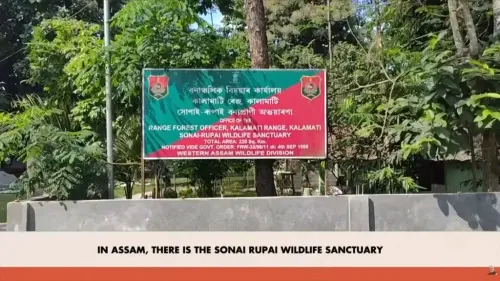
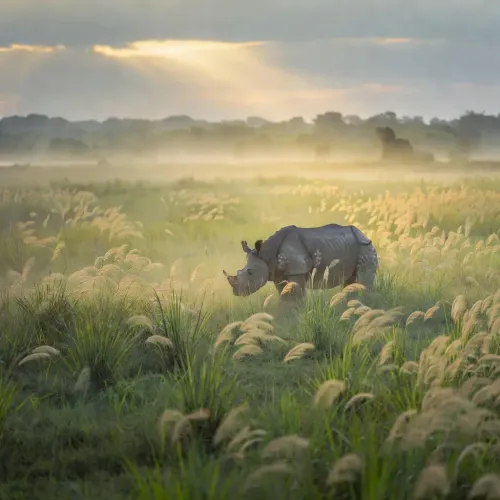
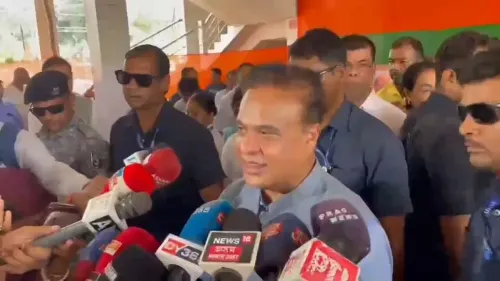
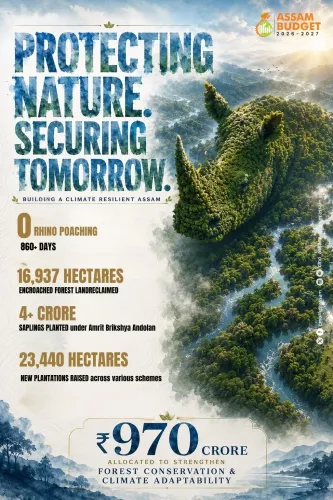
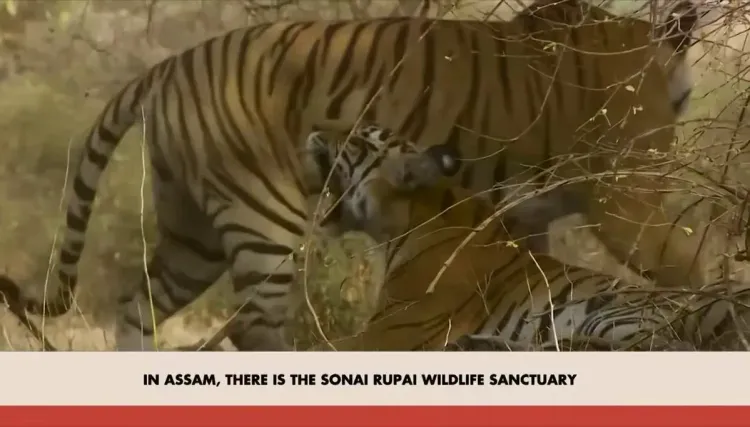
A green turnaround is taking shape in Assam — and Union Education Minister Dharmendra Pradhan wants the country to notice. On Sunday, 27 September 2026, Pradhan posted on X to share what he called a 'pleasant picture of change' emerging from the northeastern state, crediting sustained forest conservation efforts for driving wildlife back into protected habitats.
Pradhan wrote — 'Prakriti sanrakshan se Assam mein badlav ki sukhad tasveer samne aa rahi hai' — 'A pleasant picture of change in Assam is emerging through nature conservation. The return of wildlife due to forest protection is a positive result of meaningful environmental efforts.' The post was tagged #MannKiBaat, linking it directly to Prime Minister Narendra Modi's long-running monthly radio address, which has periodically spotlighted forest and biodiversity success stories since its launch in 2014.
Assam's forests: Northeast India's conservation frontline
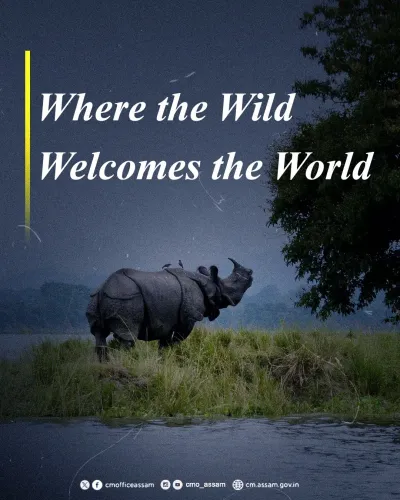
Assam has long been home to some of India's most ecologically significant protected areas — most notably Kaziranga National Park and Manas National Park, both UNESCO World Heritage Sites. The state has battled poaching, encroachment, and flooding for decades, making any credible wildlife recovery significant not just for Assam but for India's broader biodiversity commitments.
Senior ministers sharing positive environmental data from Assam via the Mann Ki Baat platform has become a recurring pattern — a deliberate amplification strategy that connects ground-level conservation outcomes to a national audience of millions who tune into the Prime Minister's programme every month.
Mann Ki Baat as a conservation megaphone
Since 2014, Mann Ki Baat has consistently featured stories of forest guards, wildlife rehabilitators, and community-led conservation drives from across India. Pradhan's post fits squarely within that tradition — using the programme's broad reach to frame environmental gains as a collective national achievement rather than a state-level administrative outcome alone.
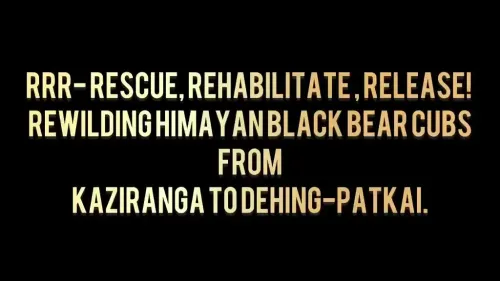
The post included a video, though specific claims about which species have returned or precise forest-cover figures from training data remain unverified and are not asserted here. Official forest survey data from Assam, when released, will be the definitive measure of the progress being signalled.
India's forests are winning back their residents — and the government is making sure the country hears about it.
Point of View
A state that goes to the polls periodically and carries enormous ecological symbolic weight, conservation messaging doubles as political currency. Watch for whether official forest survey data follows — that is when the optics either harden into evidence or stay aspirational.
NationPress
27 Sept 2026
Frequently Asked Questions
What did Dharmendra Pradhan say about Assam's environment?
Pradhan said a pleasant picture of change is emerging in Assam through nature conservation, noting that forest protection has led to the return of wildlife — a positive outcome of meaningful environmental efforts.
What is Mann Ki Baat and why is it relevant here?
Mann Ki Baat is PM Narendra Modi's monthly radio address that has aired since 2014 and regularly features forest and wildlife conservation stories from across India. Pradhan tagged the programme to link his Assam post to that national platform.
Which protected areas in Assam are known for wildlife conservation?
Assam is home to Kaziranga National Park and Manas National Park, both UNESCO World Heritage Sites and among India's most ecologically significant protected habitats.
Is wildlife really returning to Assam's forests?
Pradhan's post signals positive conservation outcomes in Assam, but specific species-level or data-backed claims have not been independently verified from official forest survey releases as of this report.
Why do BJP ministers often post about Mann Ki Baat themes?
Senior BJP leaders routinely amplify Mann Ki Baat episode themes on social media to extend the programme's reach beyond radio listeners, connecting national messaging to state-level achievements across platforms.