CM Himanta's Assam pitches Kaziranga, Manas as global eco-destinations
Synopsis
The Chief Minister's Office of Assam has spotlighted Kaziranga, Manas, and Pobitora as emerging world-class nature destinations under CM Himanta Biswa Sarma, reinforcing the state's eco-tourism push backed by two UNESCO World Heritage Sites and one of the world's densest rhino habitats.
Key Takeaways
The CMO Assam on 30 May 2026 promoted Kaziranga , Manas , and Pobitora as global nature destinations.
Kaziranga National Park (UNESCO, 1985 ) hosts the world's largest population of greater one-horned rhinoceroses.
Manas National Park (UNESCO, 1992 ) is a tiger reserve straddling Assam and Bhutan , sheltering tigers, elephants, and rare flora.
Pobitora Wildlife Sanctuary is noted for one of the highest rhinoceros densities in the world.
Assam's eco-tourism push is backed by national schemes including Project Tiger and Swadesh Darshan .
Local communities, the tourism industry, and wildlife conservationists are the primary stakeholders in the state's international outreach effort.
The Chief Minister's Office of Assam on Saturday, 30 May 2026, highlighted the state's push to position its wildlife reserves as world-class nature destinations, citing the growing international profile of Kaziranga National Park, Manas National Park, and Pobitora Wildlife Sanctuary under the leadership of Chief Minister Dr. Himanta Biswa Sarma.
Context
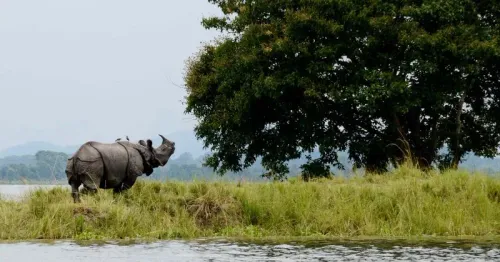
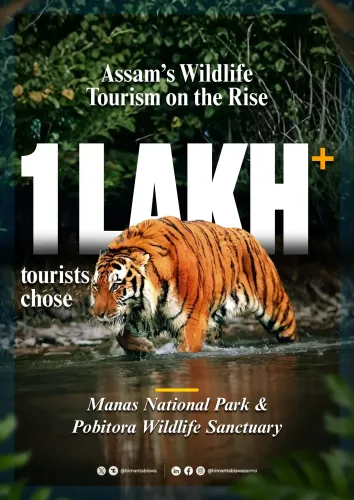
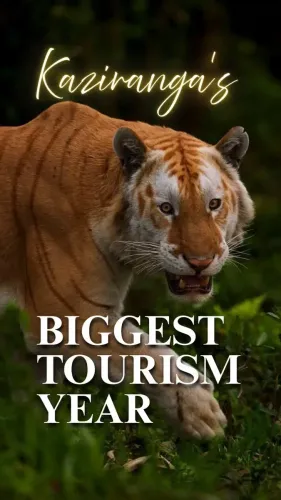
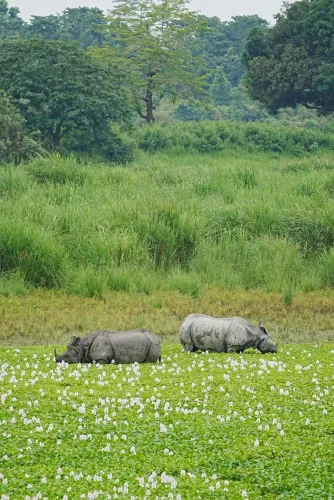
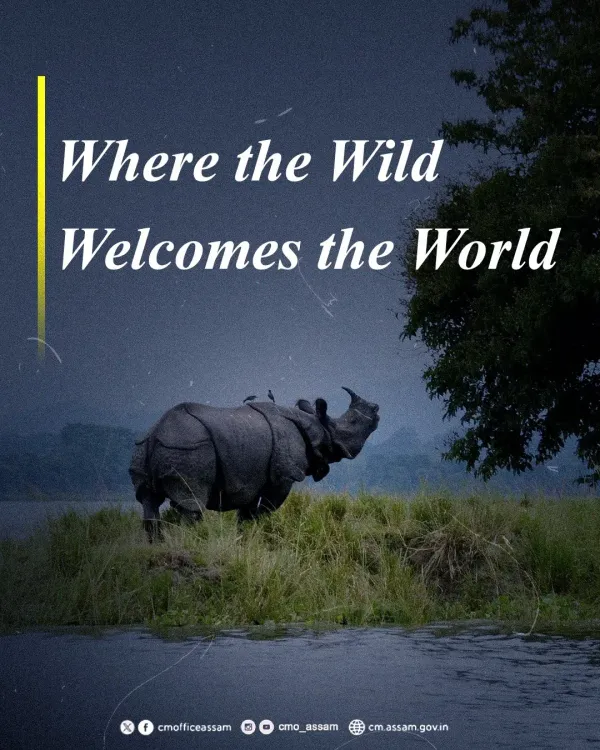
The post, shared from the official CMO Assam account, declared: 'Where nature welcomes the world!' and stated that Assam is 'steadily emerging as a world-class nature destination.' The message accompanies four images showcasing the state's natural landscapes, signalling a deliberate state-level effort to amplify Assam's tourism brand on social media.
The three reserves named span a wide arc of northeastern Assam's biodiversity corridor. Kaziranga and Manas are both UNESCO World Heritage Sites, inscribed in 1985 and 1992 respectively, while Pobitora is widely noted for hosting one of the highest densities of greater one-horned rhinoceroses anywhere in the world.
Policy Backdrop
Assam's wildlife estates have been integrated into national conservation frameworks for decades. The state has participated in Project Tiger — which covers Manas Tiger Reserve — and in eco-tourism circuits developed under the Swadesh Darshan scheme since the 2010s, linking protected areas with tourism infrastructure investment.
Dr. Himanta Biswa Sarma, who took charge as Chief Minister in May 2021, has consistently foregrounded wildlife and eco-tourism as pillars of Assam's economic identity. The CMO's social media messaging around these reserves reflects a broader pattern across Northeast Indian states of pairing UNESCO-backed conservation credentials with active international marketing.
Stakeholders and Impact
The immediate beneficiaries of heightened global attention are the tourism industry and the local communities — forest-fringe villages, homestay operators, and wildlife guides — whose livelihoods are directly tied to visitor footfall at these reserves. Wildlife conservationists also stand to gain from the reputational momentum, as international visibility can translate into pressure to sustain and improve protection standards.
Kaziranga's floodplain ecosystem supports the world's largest population of greater one-horned rhinoceroses, making it a flagship draw for international wildlife tourists. Manas, which straddles the Assam-Bhutan border, adds a cross-border biodiversity dimension, sheltering tigers, elephants, and rare endemic flora. Together, the three sites offer a compelling cluster for eco-tourism itineraries in the region.
What's Next
Observers will watch for concrete follow-through: updates on tourism infrastructure projects linked to these reserves, the results of the annual rhino census, and any new state or central tourism policy announcements that formalise the international outreach signalled by this post. The alignment of state marketing with UNESCO heritage status positions Assam to attract conservation-focused travellers, but sustained growth will depend on on-ground infrastructure, community inclusion, and habitat protection remaining in step with promotional ambitions.
Point of View
Leveraging two UNESCO World Heritage Sites to position the state as a premium eco-tourism market at a time when Northeast India is receiving increased policy attention. For CM Himanta Biswa Sarma, amplifying Assam's conservation credentials on social media serves a dual purpose: projecting developmental governance and attracting foreign exchange through high-value wildlife tourism. The framing mirrors a wider Northeast India playbook where biodiversity assets are repackaged as economic opportunities without formally announcing new schemes. The real test will be whether the promotional push is matched by measurable infrastructure investment and community-benefit mechanisms on the ground.
NationPress
19 Sept 2026
Frequently Asked Questions
Why is Kaziranga National Park famous?
Kaziranga National Park is a UNESCO World Heritage Site inscribed in 1985 , globally renowned for sheltering the world's largest population of greater one-horned rhinoceroses within its floodplain ecosystem in Assam .
Is Manas National Park a UNESCO World Heritage Site?
Yes. Manas National Park was inscribed as a UNESCO World Heritage Site in 1992 . It is also a tiger reserve and straddles the border between Assam and Bhutan , making it a significant cross-border biodiversity zone.
What is Pobitora Wildlife Sanctuary known for?
Pobitora Wildlife Sanctuary in Assam is known for having one of the highest densities of greater one-horned rhinoceroses in the world, making it an important conservation and eco-tourism site.
Who is the Chief Minister of Assam in 2026?
Dr. Himanta Biswa Sarma is the Chief Minister of Assam , having assumed office in May 2021 . He has championed wildlife conservation and eco-tourism as part of the state's development agenda.
What central schemes support eco-tourism in Assam?
Assam's eco-tourism ecosystem is supported by national frameworks including Project Tiger , which covers Manas Tiger Reserve , and the Swadesh Darshan scheme, which has funded eco-tourism circuits linking protected areas with tourism infrastructure since the 2010s.