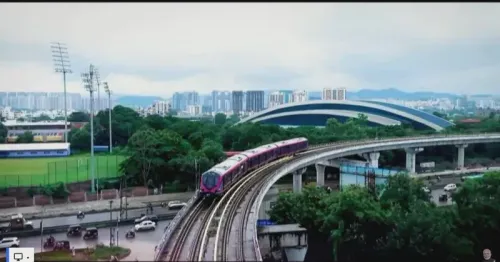
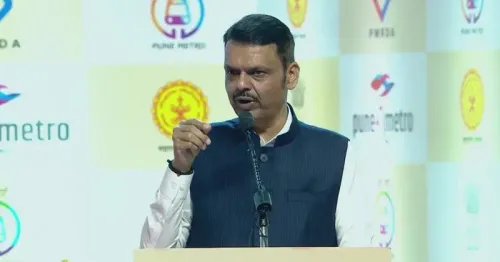
PM Modi flags new Metro projects to boost Pune's growth
Synopsis
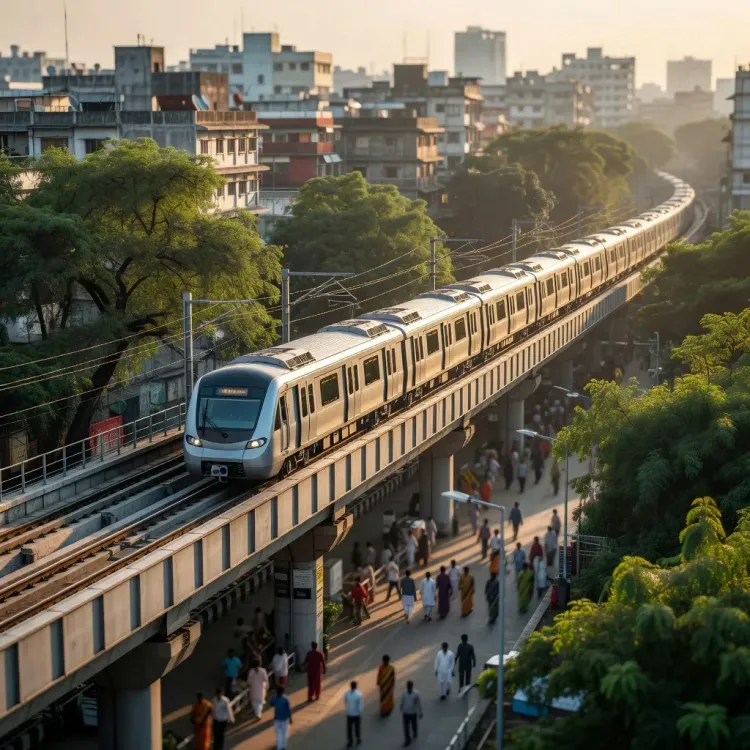
Prime Minister Narendra Modi on 3 November 2026 announced new Metro projects for Pune, calling better connectivity the engine of faster city growth. The move builds on Phase-1 approval in 2018 and fits India's broader push to extend rapid transit to over 20 cities under the PM Gati Shakti framework.
Key Takeaways
PM Modi announced new Metro projects for Pune on 3 November 2026 , framing connectivity as the driver of the city's economic growth.
Pune Metro Phase-1 — two corridors of roughly 31 km — was sanctioned by the Union Cabinet in December 2018 at an estimated Rs 11,420 crore .
Pune was included among 100 cities in the Smart Cities Mission (2015) with integrated urban mobility as a stated priority.
The central government has sanctioned metro or MRTS projects in over 20 cities since 2014, linked to the PM Gati Shakti multimodal network.
New corridors could extend metro access to IT hubs and integrate with planned regional rail and airport links in Pune.
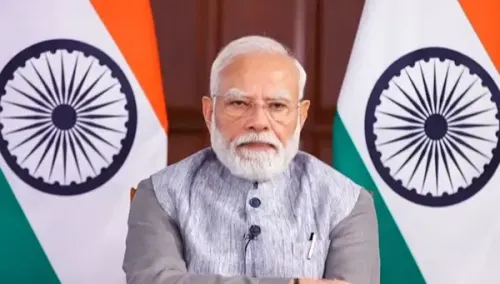
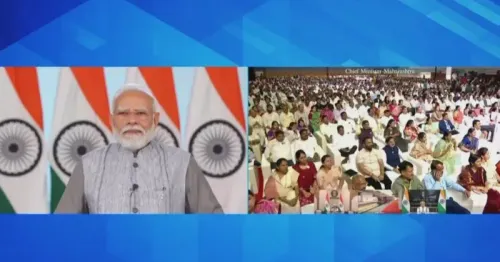
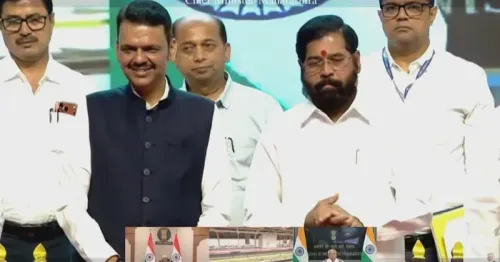
Pune, one of India's fastest-growing urban centres, is set for a fresh round of metro expansion — and Prime Minister Narendra Modi made sure the city knew about it on Tuesday, 3 November 2026, flagging new Metro projects as a catalyst for both economic growth and everyday Ease of Living for millions of commuters.
What the PM said — and why Pune was listening
Modi's message was crisp and pointed: 'A better-connected Pune is a faster-growing Pune!' He tied the new Metro projects directly to two outcomes — accelerating the city's economic momentum and making daily life more manageable for residents. For a city of over 7 million people that routinely ranks among India's most congested, that framing lands with real weight.
Pune has evolved into a powerhouse of IT services, automobile manufacturing, and higher education, drawing a young working population that has steadily outpaced the city's road infrastructure. Traffic bottlenecks across corridors like Shivajinagar, Hinjewadi, and Kothrud have made rapid transit not a luxury but a structural necessity.
Pune Metro's journey from Cabinet approval to city lifeline
The foundation was laid when the Union Cabinet approved Pune Metro Phase-1 in December 2018, sanctioning two corridors spanning approximately 31 km at an estimated cost of Rs 11,420 crore. The project was framed as a central-government partnership with the state, with funding routed through the Ministry of Housing and Urban Affairs. Pune was also among the 100 cities selected under the Smart Cities Mission (2015), which earmarked integrated urban mobility as a priority.
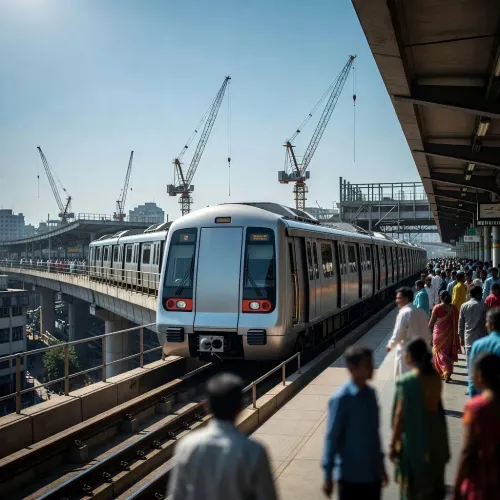
Phase-1 has progressively opened sections to commuters, offering the city its first taste of air-conditioned, schedule-driven rail transit. The new projects Modi references signal the ambition to push deeper — potentially into Phase-2 extensions that could connect emerging tech corridors and integrate with regional rail or the upcoming airport link.
Pune in India's wider metro push
Pune is not an isolated story. Since 2014, the central government has sanctioned metro and mass rapid transit systems in more than 20 cities, positioning urban rail as the backbone of its PM Gati Shakti multimodal connectivity framework. The argument is consistent: every kilometre of metro track reduces vehicle trips, cuts commute times, lowers emissions, and makes a city more attractive to investment. Pune, with its concentration of global technology firms and auto majors, stands to convert better connectivity into measurable GDP uplift.
For Pune's daily commuters — students, IT professionals, factory workers — the promise is simpler: fewer hours lost on clogged flyovers, more hours on anything else.
Point of View
A politically contested state, remains high on Delhi's infrastructure calendar. Framing metro expansion through 'Ease of Living' also anchors the announcement to a citizen-centric metric the government has consistently promoted since 2017, making it harder for critics to debate on purely technical grounds. The broader pattern — rapid metro sanctions across 20-plus cities — suggests the Centre is using urban rail as both a development tool and an electoral asset in tier-1 and tier-2 cities where the commuting middle class is a decisive vote bloc.
NationPress
3 Nov 2026
Frequently Asked Questions
What new Metro projects did PM Modi announce for Pune in November 2026?
PM Modi on 3 November 2026 indicated new Metro projects for Pune aimed at boosting connectivity, economic growth, and Ease of Living. Exact corridor details and funding figures for these new projects had not been fully disclosed in publicly available data at the time.
What is the current status of Pune Metro Phase-1?
Pune Metro Phase-1 covers approximately 31 km across two corridors and was approved by the Union Cabinet in December 2018 at an estimated cost of Rs 11,420 crore. Sections have progressively opened to commuters since then.
How much did the Centre spend on Pune Metro Phase-1?
The Union Cabinet sanctioned Pune Metro Phase-1 with an estimated project cost of Rs 11,420 crore in December 2018, with funding shared between the central government, the Maharashtra state government, and other sources.
Is Pune part of India's Smart Cities Mission?
Yes, Pune was selected among 100 cities under the Smart Cities Mission launched in 2015, with integrated urban mobility — including metro connectivity — identified as a key priority area for the city.
How many cities in India have been approved for metro or MRTS projects since 2014?
The central government has sanctioned metro and mass rapid transit system projects in more than 20 cities since 2014, as part of its urban infrastructure push under the Ministry of Housing and Urban Affairs and the PM Gati Shakti framework.