PM Modi inaugurates Pune Metro Line 3, lays foundation for ₹13,500 crore Phase-II
Synopsis
Modi's Pune Metro inauguration was more than a ribbon-cutting — it was a platform to restate India's infrastructure-first growth thesis. With ₹8,300 crore already spent on the Pink Line and ₹13,500 crore committed to Phase-II, Pune becomes the latest data point in what Modi is framing as India's leap to the world's third-largest metro network, from 248 km in 2014 to nearly 1,200 km today.
Key Takeaways
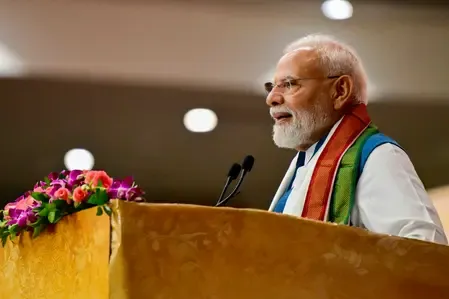
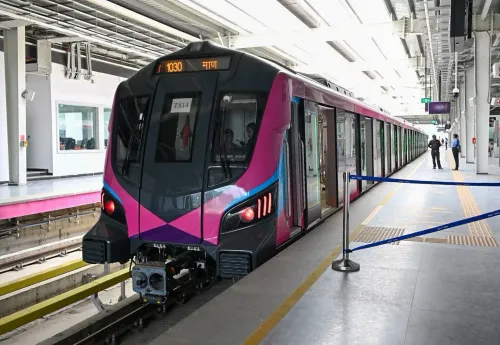
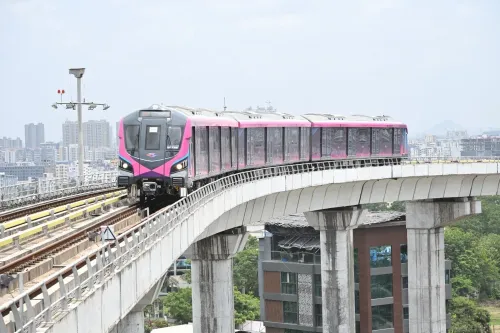
PM Narendra Modi virtually inaugurated the 23.2 km Pune Metro Line 3 (Pink Line) on 3 November 2026 , connecting Hinjewadi IT Hub to Shivajinagar .
The corridor was built under a PPP model at a cost of over ₹8,300 crore and is operated entirely by women train operators , with 30% of power from solar energy.
Modi laid the foundation stone for Pune Metro Phase-II , a ₹13,500 crore expansion covering Kharadi, Wagholi, Hadapsar, Swargate , and Khadakwasla .
India's metro network has grown from 248 km in 2014 to nearly 1,200 km , now operational in 26 cities — making it the world's third-largest .
Modi cited a World Bank report claiming India has lifted 50 crore people out of extreme poverty, and described the country as the fastest-growing major economy .
The Centre assured assistance to Maharashtra over drought conditions caused by scanty rainfall.
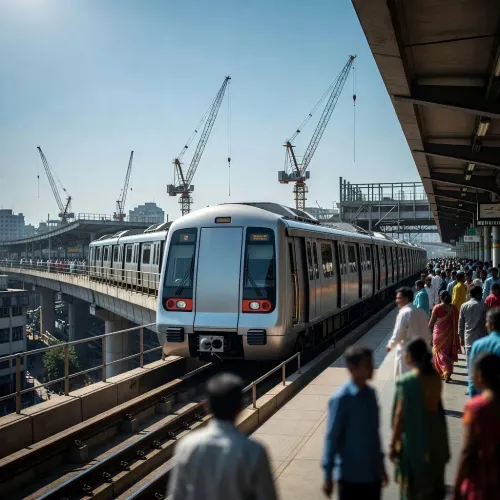
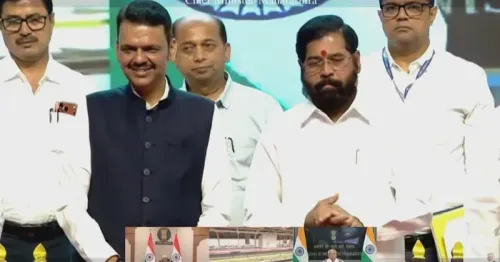
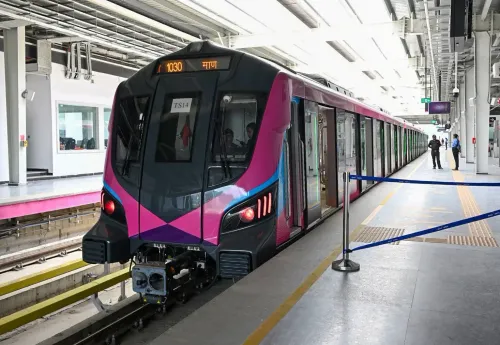
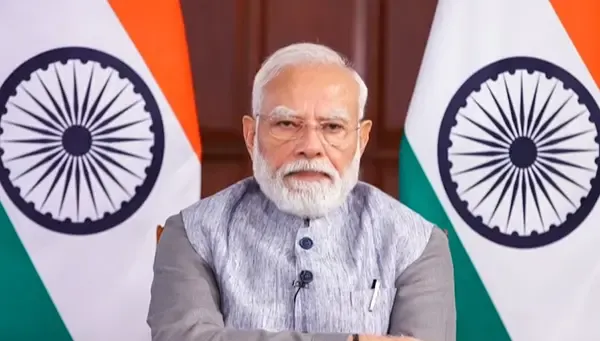
Prime Minister Narendra Modi on Tuesday, 3 November 2026, virtually inaugurated the 23.2 km Pune Metro Line 3 — the Pink Line — linking the Hinjewadi IT Hub to Shivajinagar (District Court Metro Station), and simultaneously laid the foundation stone for the city's Phase-II metro expansion valued at approximately ₹13,500 crore. Built under a Public-Private Partnership (PPP) model at a cost of over ₹8,300 crore, the new corridor is expected to significantly cut travel time and road congestion for thousands of tech workers and daily commuters in Pune.
What the Pink Line Offers
The elevated corridor connecting Maan/Hinjewadi to Shivajinagar stands out for two notable operational features: it is run entirely by women train operators, and approximately 30 per cent of its total power requirements are sourced from solar energy. Modi expressed particular satisfaction at inaugurating the line, recalling that he had laid the foundation stone for Pune Metro's first phase roughly 10 years ago.
Phase-II: Expanding Pune's Metro Footprint
The Phase-II expansion, for which Modi laid the foundation stone at the same event, will cover key corridors connecting residential and commercial hubs including Kharadi, Wagholi, Hadapsar, Swargate, and Khadakwasla. The project is intended to strengthen links between Pune's older and newer neighbourhoods, addressing the city's rapid outward expansion. Modi also referenced a ₹1 lakh crore Urban Challenge Fund aimed at developing smaller cities as growth hubs, urging local bodies and the private sector to participate actively.
India's Metro Growth: The Numbers
Modi used the occasion to highlight the scale of metro expansion under his administration. He stated that India's metro network grew from 248 km in 2014 to nearly 1,200 km, with metro services now operational in 26 cities — up from just five cities during the preceding Congress-led UPA era. India, he said, now has the world's third-largest metro network, with over one crore passengers commuting daily. The growth of urban rail, he argued, is a direct employment generator and integral to building competitive cities with higher ease of living.
Broader Economic Message
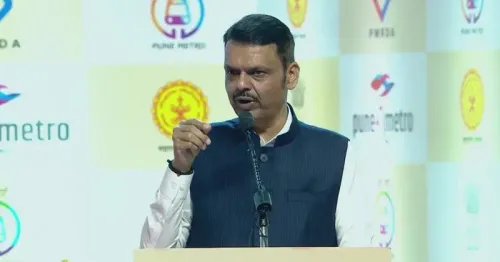
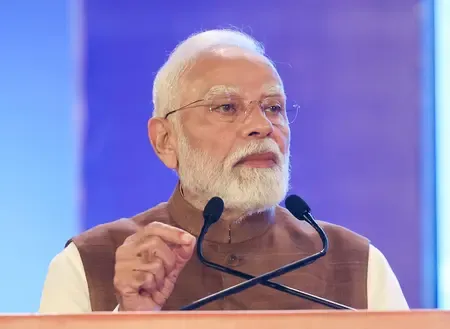
'Pune is shaping the energy of a Viksit Bharat through IT, automotive, pharmaceuticals, startups, innovation, and manufacturing — it is a city of dreams and aspirations for the youth. Better metro connectivity will give fresh momentum to the city's development,' Modi said at the event.
The Prime Minister also cited a recent World Bank report to assert that India has lifted 50 crore people out of extreme poverty, and reiterated that the country has become the fastest-growing major economy. He argued that public investment in infrastructure — roads, railways, airports, and metros — is channelling funds that were previously lost to leakages directly to beneficiaries and productive assets. He also acknowledged drought conditions in Maharashtra due to scanty rainfall and assured the Centre's assistance in addressing the situation.
What Comes Next
With Phase-II now formally launched, Pune's metro buildout will enter a multi-year construction phase covering corridors critical to the city's eastern and southern growth zones. Industry and civic planners will closely watch execution timelines, given that large PPP-model urban infrastructure projects in India have historically faced cost and schedule overruns. The integration of metro stations with bus terminals and railway stations — a goal Modi underscored — will be a key test of the multi-modal connectivity ambition.
Point of View
Sharp contrast with the UPA record, and a Viksit Bharat framing — but the numbers underneath deserve scrutiny. India's metro network has genuinely expanded at pace since 2014, yet ridership density outside Delhi and Mumbai remains thin, raising questions about whether capital deployment is tracking actual demand or political geography. The Phase-II expansion into Pune's eastern corridors is commercially sensible given IT cluster density, but the PPP model's long-term viability hinges on fare structures and real-estate monetisation that have tripped up earlier projects. Modi's poverty-reduction claim, sourced to the World Bank, is credible in headline terms but contested on methodology — multidimensional poverty metrics and consumption-based measures tell different stories about the depth and durability of that progress.
NationPress
3 Nov 2026
Frequently Asked Questions
What is Pune Metro Line 3 (Pink Line) and where does it run?
Pune Metro Line 3, known as the Pink Line, is a 23.2 km elevated corridor connecting Maan/Hinjewadi — Pune's main IT hub — to Shivajinagar (District Court Metro Station). Built under a PPP model at a cost of over ₹8,300 crore, it is designed to reduce travel time and road congestion for tech workers and daily commuters.
What is the Pune Metro Phase-II expansion that Modi announced?
Phase-II is a ₹13,500 crore metro expansion for which PM Modi laid the foundation stone on 3 November 2026. It covers new corridors linking key residential and commercial zones including Kharadi, Wagholi, Hadapsar, Swargate, and Khadakwasla, strengthening connectivity between Pune's older and newer areas.
What makes Pune Metro Line 3 unique operationally?
The Pink Line is operated entirely by women train operators, making it a notable milestone for gender inclusion in urban transit. Additionally, approximately 30 per cent of its total energy requirement is met through solar power, reflecting a green infrastructure mandate.
How large is India's metro network today compared to 2014?
According to PM Modi, India's metro network has grown from 248 km in 2014 to nearly 1,200 km, with services now operational in 26 cities — up from five cities during the previous UPA government. India is now described as having the world's third-largest metro network, with over one crore daily commuters.
What did PM Modi say about India's economy and poverty reduction?
Modi stated that India is the fastest-growing major economy and cited a recent World Bank report to claim that the country has lifted 50 crore people out of extreme poverty. He argued that public investment in infrastructure is redirecting funds previously lost to leakages directly into productive assets and job creation.