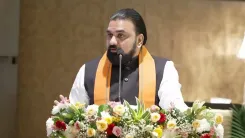
CM Chandrababu Reviews Cyclone Murasu Impact via Teleconference

Synopsis
Chief Minister Nara Chandrababu Naidu chaired an emergency teleconference on November 3, 2026, directing Andhra Pradesh district collectors to enforce a zero-casualty goal during Cyclone Murasu and prioritise restoration of drinking water, electricity, and road connectivity.
Key Takeaways
CM Chandrababu Naidu held a teleconference with senior officials and district collectors on November 3, 2026 to review Cyclone Murasu's impact on Andhra Pradesh.
The zero-casualty goal was declared the first and non-negotiable priority.
Officials were directed to focus on restoring drinking water supply, electricity, and road connectivity .
Residents were told to remain indoors until this evening and follow all government directives.
Andhra Pradesh's enhanced disaster protocols trace back to post- Cyclone Hudhud (2014) reforms.
Subsequent damage assessments and potential central government assistance requests will follow once the storm passes.
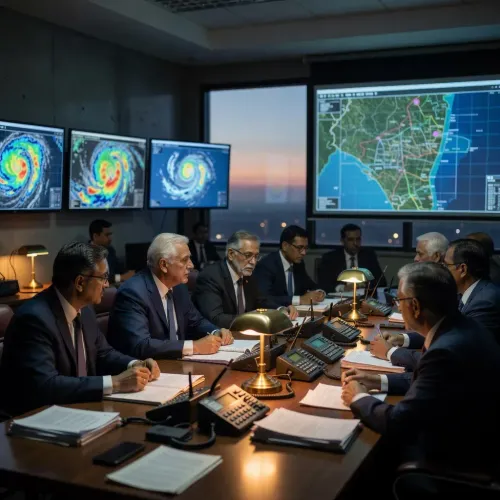
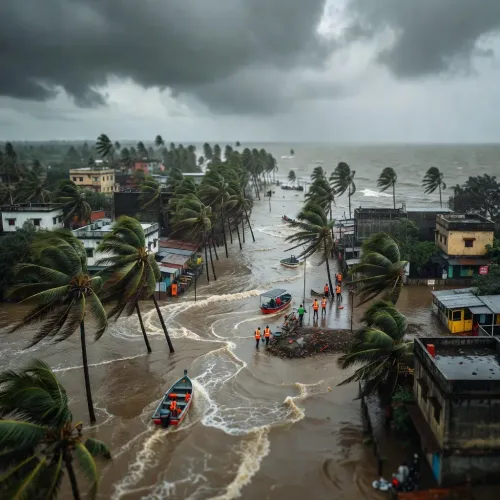
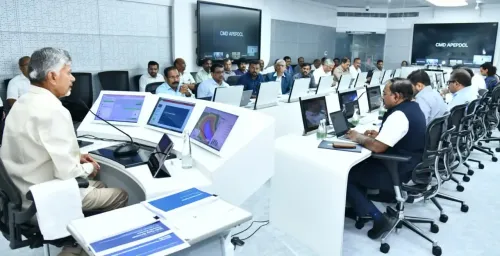
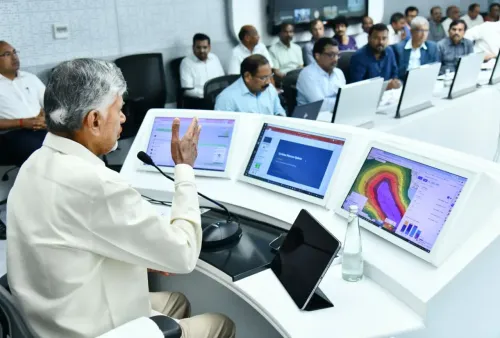
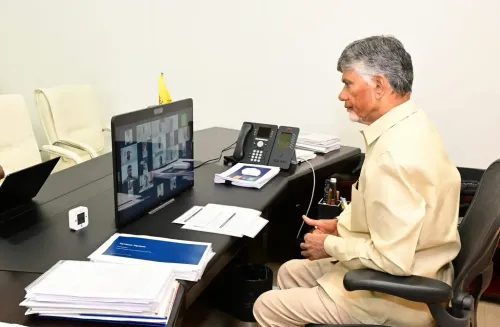
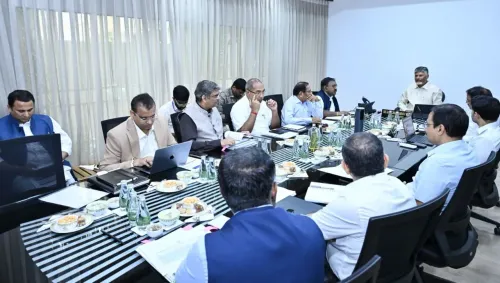
With Cyclone Murasu bearing down on Andhra Pradesh, Chief Minister Nara Chandrababu Naidu convened an emergency teleconference on Tuesday, November 3, 2026 with senior officials and district collectors — issuing a clear, blunt directive: zero casualties, and nobody leaves home until evening.
The Chief Minister's Office shared the update on X, confirming that the teleconference assessed the current situation in the wake of Cyclone Murasu and laid out the immediate action plan. CM Naidu instructed officials to ensure that 'drinking water supply, electricity, and road connectivity' are restored and maintained as the storm's impact recedes — three lifelines that historically collapse first during a Bay of Bengal cyclone.
Zero Casualties as the Non-Negotiable Target
The CM's message to his district collectors was unambiguous: preventing loss of life is the first priority. Residents across the state were advised to remain indoors until this evening and to follow all government directives until the cyclone's effects fully subside. No ambiguity, no caveats — a direct public safety order.
The zero-casualty goal is not rhetorical. Since Cyclone Hudhud in 2014, Andhra Pradesh has systematically upgraded its disaster response protocols — pre-positioning emergency teams, sharpening inter-district communication, and strengthening early public advisories. That institutional muscle is now being activated for Murasu.
Three Priorities Naidu Named to His Collectors
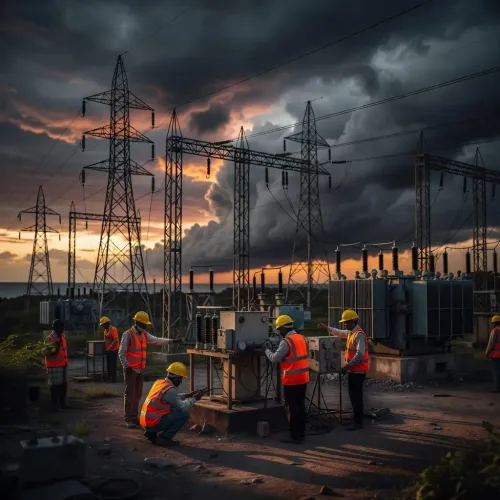
Naidu's directives zeroed in on the three services most vulnerable in a cyclone's aftermath: drinking water supply, electricity restoration, and road connectivity. These aren't abstract priorities — they are the bottlenecks that determine whether relief reaches the last village or stalls at a damaged bridge. District collectors were tasked with keeping each channel functional or restoring it at speed.
Andhra Pradesh's extensive coastline along the Bay of Bengal makes it one of India's most cyclone-exposed states, and successive administrations have built a template of high-level executive reviews during such events — exactly what Naidu triggered today. The National Disaster Management Act of 2005 provides the overarching legal framework within which such state-level coordination operates.
What Comes Next After the Storm Passes
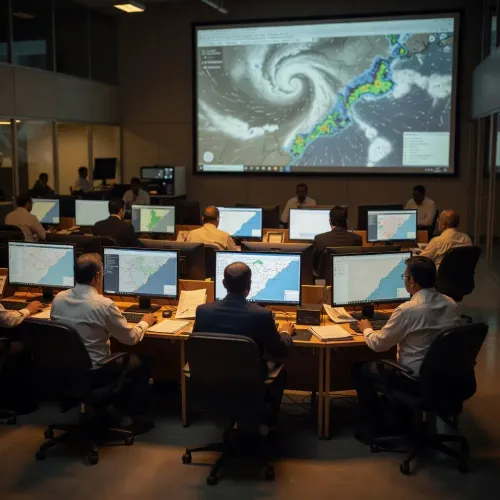
Once wind speeds ease, the administration's attention will pivot to field-level damage assessments — power infrastructure surveys, road clearance operations, and water supply audits. The question of whether Andhra Pradesh will seek central government assistance will hinge on the scale of damage that emerges from those assessments.
For now, the CM's instruction to coastal Andhra is simple: stay put, trust the system, and wait for the all-clear. When a state's chief executive personally chairs a crisis teleconference mid-storm, the machinery is running — and that matters.
Point of View
And Naidu's explicit 'zero casualty' framing echoes a broader national trend of holding state governments accountable to outcome metrics rather than process metrics. The three-pillar focus on water, power, and roads reflects hard lessons from past cyclones where service breakdown — not just wind damage — drove the human toll. How quickly these services are restored after Murasu passes will define the administration's disaster-response credibility.
NationPress
3 Nov 2026
Frequently Asked Questions
What is Cyclone Murasu and which areas of Andhra Pradesh are affected?
Cyclone Murasu is an active cyclone affecting Andhra Pradesh as of November 3, 2026. Specific impact zones have not been officially detailed in the CM's public communication, but the state government has activated district-level emergency responses across the affected coastline.
What instructions did CM Chandrababu Naidu give during the Cyclone Murasu review?
CM Naidu directed officials to make zero casualties the top priority, ensure restoration of drinking water, electricity, and road connectivity, and asked residents to stay indoors and follow government directives until the cyclone's effects subside.
Who did CM Naidu hold the teleconference with during Cyclone Murasu?
CM Chandrababu Naidu held the emergency teleconference on November 3, 2026 with senior state officials and district collectors to assess the situation and issue directions.
How has Andhra Pradesh prepared for cyclones after Cyclone Hudhud?
After Cyclone Hudhud in 2014, Andhra Pradesh strengthened its disaster protocols including high-level executive reviews, inter-district communication frameworks, and early public safety advisories — all of which were activated during the Murasu response.
What should Andhra Pradesh residents do during Cyclone Murasu?
CM Naidu has asked all residents to remain indoors until Tuesday evening, avoid going out, and strictly follow government advisories until the cyclone's impact fully recedes.